Bookkeeping Virtual Assistant Mastery
Introduction to Bookkeeping
What is Bookkeeping?
Bookkeeping is the systematic recording of a company's financial transactions. Think of it as keeping a detailed diary of every dollar that comes in and every dollar that goes out. This isn't just about crunching numbers; it's about creating a clear story of a business's financial health.
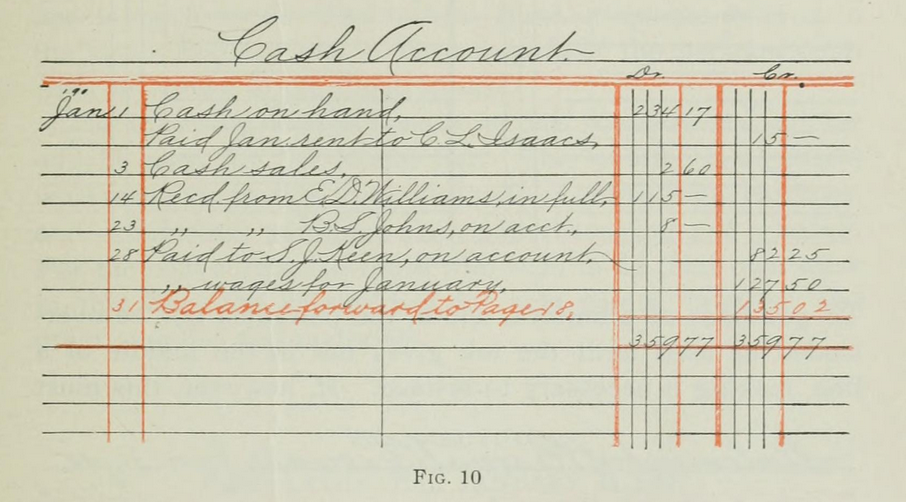
Why does this matter? Without accurate records, a business is flying blind. Good bookkeeping helps track performance, manage cash flow, and make informed decisions. It’s also essential for filing taxes correctly and securing loans. In short, it’s the foundation of financial management.
Bookkeepers are the architects of financial transparency within an organization.
The Core Equation
At the heart of all accounting is a simple but powerful formula called the accounting equation. It shows what a company owns and what it owes.
Let's break down each part.
Asset
noun
A resource with economic value that a company owns or controls with the expectation that it will provide a future benefit.
Liability
noun
A company's financial debts or obligations that arise during the course of its business operations.
Equity
noun
The value of the assets remaining after deducting liabilities. It represents the owner's stake in the company.
The equation tells us that everything a company owns (its assets) is financed by either borrowing money (liabilities) or through investments from its owners (equity). This equation must always be in balance.
Keeping Things Balanced
So how do we make sure the accounting equation always stays balanced? We use a method called the double-entry system. This concept has been around for centuries, and it's the bedrock of modern accounting.
The rule is simple: for every business transaction, at least two accounts are affected. Every transaction has two sides, a debit and a credit, and the total debits must always equal the total credits.
Let's see it in action. Imagine a small bakery buys a new oven for $5,000. They pay $1,000 in cash and take out a $4,000 loan from the bank.
Here's how this one transaction affects the accounting equation:
- The oven is an asset. The bakery's assets increase by $5,000.
- The cash they paid is also an asset. Their assets decrease by $1,000.
- The loan is a liability. The bakery's liabilities increase by $4,000.
Now, let's check the balance.
| Account Type | Change |
|---|---|
| Assets | +$5,000 (Oven) |
| Assets | -$1,000 (Cash) |
| Net Change in Assets | +$4,000 |
| Liabilities | +$4,000 (Loan) |
| Net Change in Liabilities | +$4,000 |
The change in assets ($4,000) perfectly equals the change in liabilities ($4,000). Equity was not affected. The equation remains balanced. Every single transaction, from selling a coffee to paying an electricity bill, follows this same principle.
This simple framework makes it easier to apply the principles of double-entry bookkeeping and correctly record every financial transaction.
Ready to test your understanding of these core concepts?
What is the primary purpose of bookkeeping?
The fundamental accounting equation states that a company's assets are financed by either liabilities or ____.
Understanding these principles—the accounting equation and the double-entry system—is the first major step in mastering bookkeeping.