Bookkeeping Essentials
Introduction to Bookkeeping
The Financial Diary of a Business
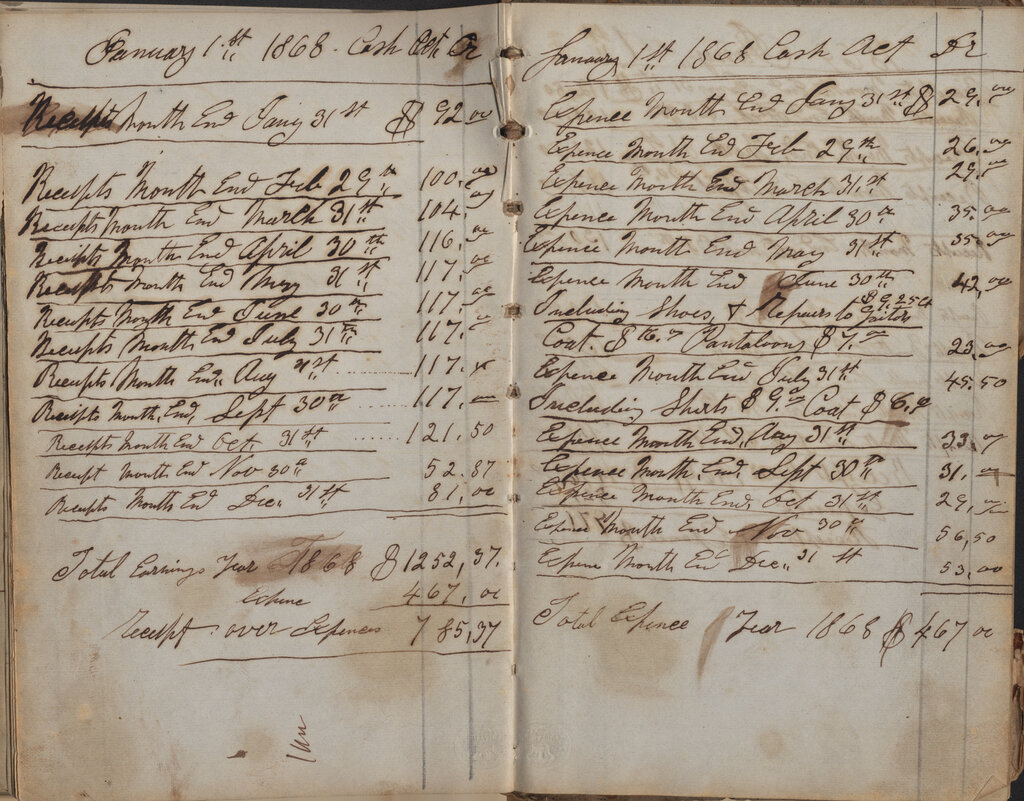
At its heart, bookkeeping is the systematic recording of a business's financial transactions. Think of it as a detailed diary for your company's money. Every time cash comes in or goes out, a bookkeeper makes a note of it. This isn't just about jotting down numbers; it's about creating an accurate, day-to-day history of financial activity.
Bookkeeping involves keeping track of all the money coming in and going out of a business.
This process is the foundation of a company's financial health. Without clear and consistent records, a business owner is flying blind. They won't know if they're making a profit, how much cash they have, or who owes them money. Good bookkeeping provides clarity and control, turning financial data into a reliable map for navigating business decisions.
Bookkeeping vs. Accounting
People often use the terms "bookkeeping" and "accounting" interchangeably, but they represent two different stages of the financial process. Bookkeeping is the first step: the recording of transactions. Accounting is the next step: interpreting, analyzing, and summarizing that financial data.
If your business's finances were a story, the bookkeeper would be the one writing down all the events as they happen, sentence by sentence. The accountant would then be the editor who organizes those sentences into chapters, analyzes the plot, and presents a summary of the story to others.
A bookkeeper's work is transactional and focuses on maintaining accurate records. An accountant takes those records to produce financial statements, perform audits, and provide strategic advice based on the bigger financial picture.
Bookkeeping provides the raw data. Accounting turns that data into meaningful insights.
Who Reads the Books?
The financial information gathered through bookkeeping is used by a wide range of people, who are often grouped into two categories: internal and external users.
| User Group | Examples | Why They Need the Information |
|---|---|---|
| Internal | Owners, managers, employees | To make daily operational decisions, create budgets, and evaluate performance. |
| External | Lenders, investors, government agencies | To assess creditworthiness, decide on investments, and ensure tax compliance. |
Internal users are inside the company. A manager might use financial records to decide if they can afford to hire a new employee. External users are outside the company. A bank, for example, will review a business's books to decide whether to approve a loan. Both groups rely on the accuracy of the bookkeeper's records to make informed choices.
Two Systems of Record Keeping
There are two primary methods for recording transactions: single-entry and double-entry bookkeeping.
Single-entry
adjective
A simple bookkeeping system where each transaction is recorded as a single line item in a log or cash book.
The single-entry system is like a simple checkbook register. It tracks money coming in (income) and money going out (expenses). This method is straightforward and can work for very small businesses or freelancers with simple financial situations. However, it doesn't offer a complete financial picture and provides no way to detect errors automatically.
Double-entry
adjective
A bookkeeping system where every transaction affects at least two accounts, with a debit made in one account and a credit in another.
The double-entry system is more complex but far more robust. It's built on the idea that every transaction has two effects. For example, if you buy a computer for your business with cash, you gain an asset (the computer) but lose another asset (the cash). Double-entry bookkeeping records both of these changes.
Under the double-entry system every business transaction is recorded in at least two accounts.
This system provides a built-in error-checking mechanism. Because every debit must have a corresponding credit, the books must always be in balance. This principle is the foundation of modern accounting and is the standard for almost all businesses, regardless of size.
What is the primary function of bookkeeping?
According to the story analogy, if a bookkeeper writes the sentences of a company's financial story, the accountant is the one who __________.
Understanding these core concepts is the first step toward managing your business's finances effectively. With a solid bookkeeping foundation, you can build a clear and accurate picture of your company's financial story.