Bookkeeping Basics
Introduction to Bookkeeping
What Is Bookkeeping?
At its heart, bookkeeping is the systematic recording of a company's financial transactions. Think of it as the financial diary of a business. Every time money moves in or out, the bookkeeper makes a note of it.
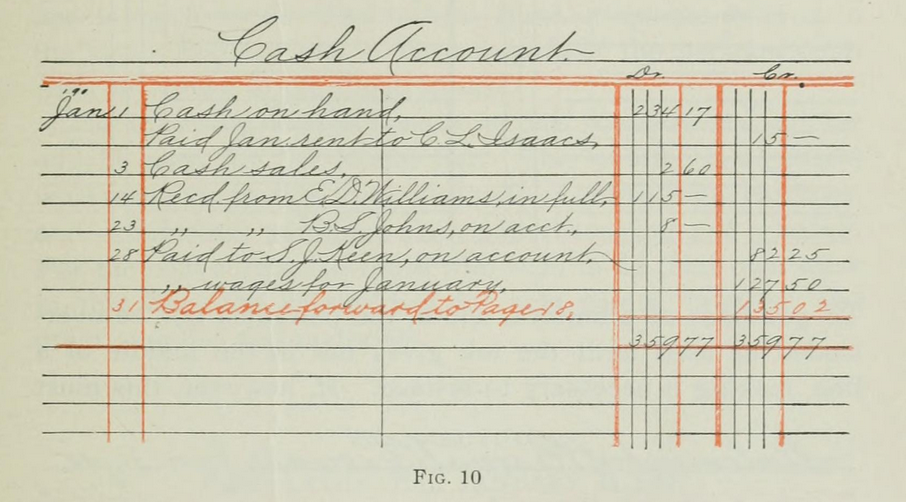
This isn't just about jotting down numbers. The main goal is to create a complete and accurate record of all the money a business spends and receives. This includes everything from a customer buying a coffee to the company paying its electricity bill. These individual records are called transactions.
The primary objective of bookkeeping is simple: to have a precise and organized log of every financial event. This log forms the foundation for all financial reporting and analysis.
Historically, this was done in physical books called ledgers, which is where the name comes from. Today, most businesses use specialized software, but the fundamental principle of recording every transaction remains the same.
Why Bother with the Books?
Accurate records are vital for a business's health. Without them, a company is flying blind. Good bookkeeping tells you if you're making a profit or a loss. It helps you see where your money is going, so you can make smarter decisions about where to cut costs or invest more.
Imagine trying to run a store without knowing how much you spent on inventory or how much you earned from sales. You'd have no idea if you were succeeding or failing. That's the clarity bookkeeping provides.
Beyond day-to-day operations, accurate financial records are essential for securing loans, paying the correct amount of taxes, and showing potential investors that the business is well-managed.
Keeping meticulous records isn't just good practice; it's often a legal requirement. It ensures financial transparency and accountability.
Bookkeeping vs Accounting
People often use the terms "bookkeeping" and "accounting" interchangeably, but they refer to different processes. While they are related, they serve distinct functions.
Bookkeeping is the first step. It's the mechanical process of recording daily transactions. It's focused on making sure the data is accurate and comprehensive.
Accounting is the next step. An accountant takes the data organized by the bookkeeper and uses it to paint a bigger picture of the company's financial health. Accounting is more subjective and involves analysis, interpretation, and strategic planning.
A simple analogy: a bookkeeper writes the words and sentences. An accountant turns them into a story with a clear meaning.
Here's a breakdown of the key differences:
| Feature | Bookkeeping | Accounting |
|---|---|---|
| Focus | Recording financial data | Interpreting & analyzing data |
| Timing | Daily, ongoing process | Monthly, quarterly, or yearly |
| Output | Financial records (ledgers, journals) | Financial statements & reports |
| Goal | Create accurate data | Provide financial insights |
| Skillset | Detail-oriented, organized | Analytical, strategic |
So, while a bookkeeper ensures the numbers are correct, an accountant helps you understand what those numbers mean for your business's future.
Now, let's test your knowledge of these foundational concepts.
What is the primary function of bookkeeping?
True or False: The terms "bookkeeping" and "accounting" refer to the exact same process and can be used interchangeably.
Bookkeeping is the essential first step in managing a business's finances. It provides the clean, organized data needed for the higher-level analysis that accounting provides. Without good bookkeeping, good accounting is impossible.