Bookkeeping Basics
Introduction to Bookkeeping
What is Bookkeeping?
At its core, bookkeeping is the process of recording all the financial transactions a business makes. Think of it as a detailed diary for a company's money. Every time cash comes in or goes out, a bookkeeper makes a note of it.
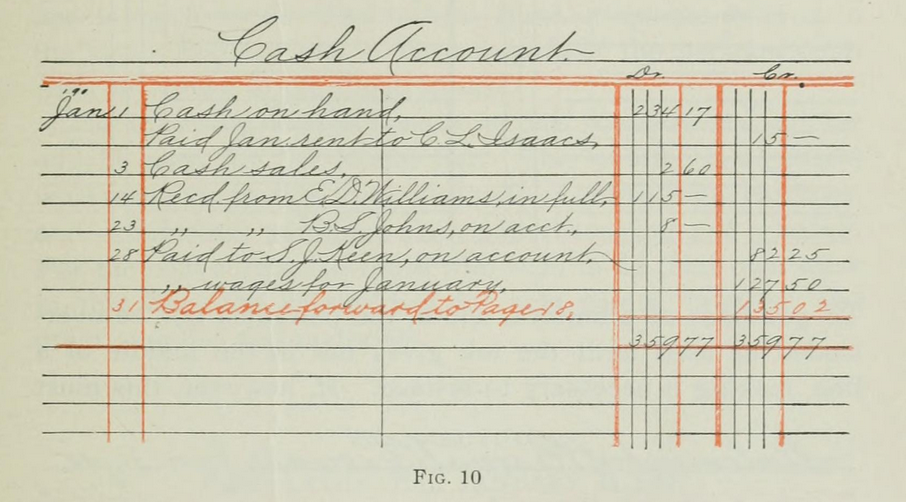
This isn't just about jotting down numbers. The purpose is to create an accurate, organized, and up-to-date record of a company's financial activities. These records are the foundation for everything from filing taxes to applying for a business loan. Without good bookkeeping, a business is flying blind, unsure of its own financial health.
Accurate financial records tell you exactly where your money is coming from and where it's going, allowing for smarter business decisions.
Bookkeeping vs. Accounting
People often use the terms bookkeeping and accounting interchangeably, but they are different. Bookkeeping is the first step, focused on recording financial transactions. Accounting is the next step, which involves interpreting, classifying, analyzing, and summarizing the data the bookkeeper has collected.
A helpful analogy is building a house. A bookkeeper is like the person who lays the foundation and puts up the framework, making sure every piece is in the right place. An accountant is the architect who analyzes that structure to understand its strengths, weaknesses, and overall design, then presents their findings.
| Bookkeeping | Accounting | |
|---|---|---|
| Focus | Recording daily financial transactions | Interpreting financial data for insights |
| Process | Transactional & administrative | Analytical & strategic |
| Goal | Create accurate, organized records | Provide financial advice and strategy |
A Bookkeeper's Role
A bookkeeper is the guardian of a company's financial records. Their daily tasks are the bedrock of a company's financial stability. They are responsible for meticulously tracking every penny.
A bookkeeper’s most important duty is to track and manage financial data.
Some of a bookkeeper's key responsibilities include:
- Recording Transactions: Logging sales, purchases, payments, and receipts.
- Managing Invoices: Creating and sending invoices to customers (accounts receivable) and paying bills from suppliers (accounts payable).
- Reconciling Bank Accounts: Comparing the company's records to bank statements to ensure they match and to spot any discrepancies.
- Preparing Basic Reports: Generating simple financial reports that show the flow of money.
Ultimately, a bookkeeper ensures that the financial data is clean, accurate, and ready for an accountant to analyze. This precise record-keeping is crucial for the health and success of any business.