Bonsai Tree Cultivation
Introduction to Bonsai
What is Bonsai?
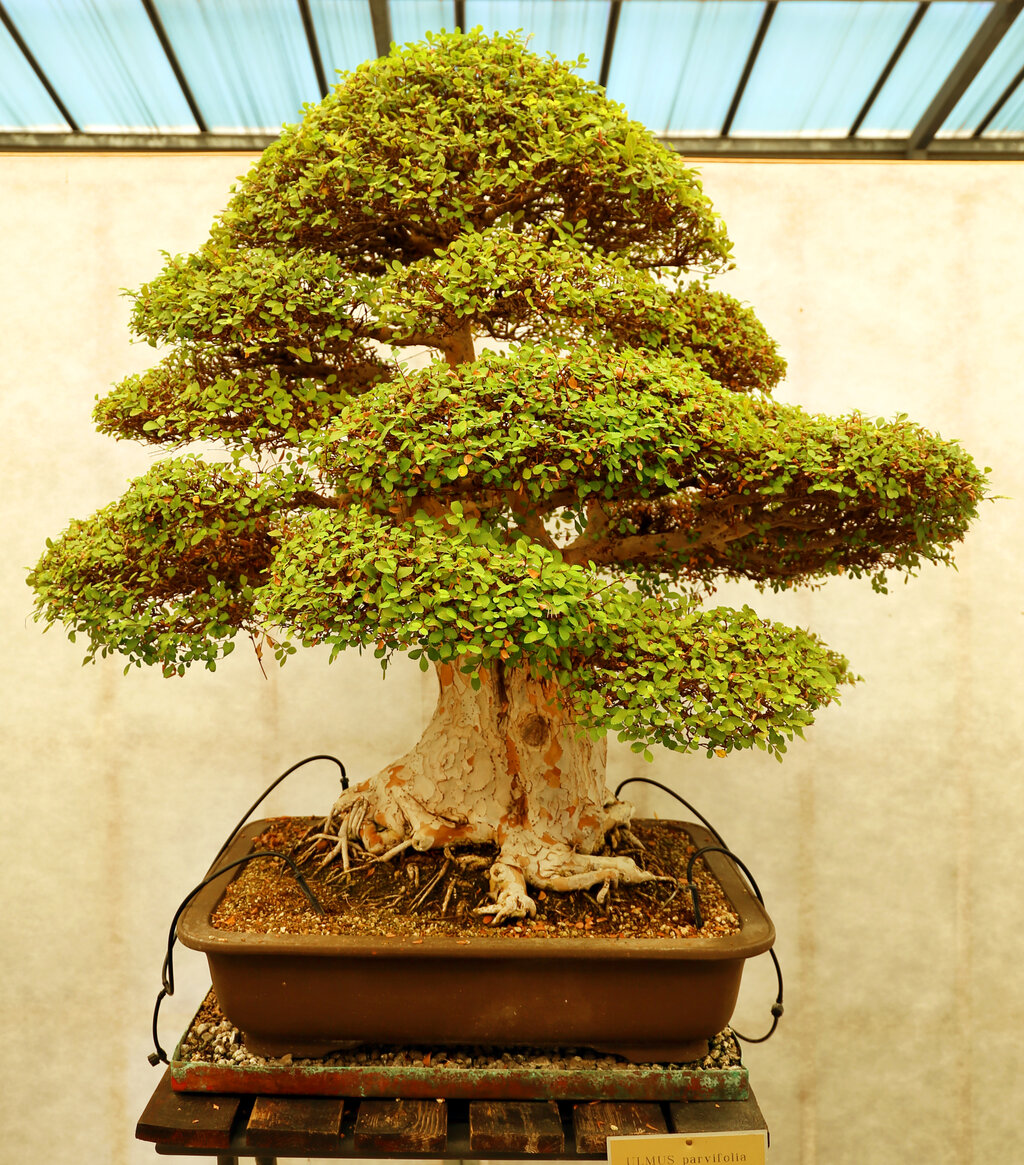
Bonsai is the art of growing and shaping miniature trees in containers. More than just small plants, bonsai are living sculptures that capture the spirit of nature on a small scale. The goal isn't just to keep a tree alive, but to create a beautiful, idealized version of a tree you might see in the wild.
tray planting
The name itself comes from two Japanese words: bon, meaning 'tray' or 'pot', and sai, meaning 'planting'. It's an art form that requires patience, care, and a keen eye for natural beauty. Each tree tells a story of time and thoughtful cultivation.
A Living History
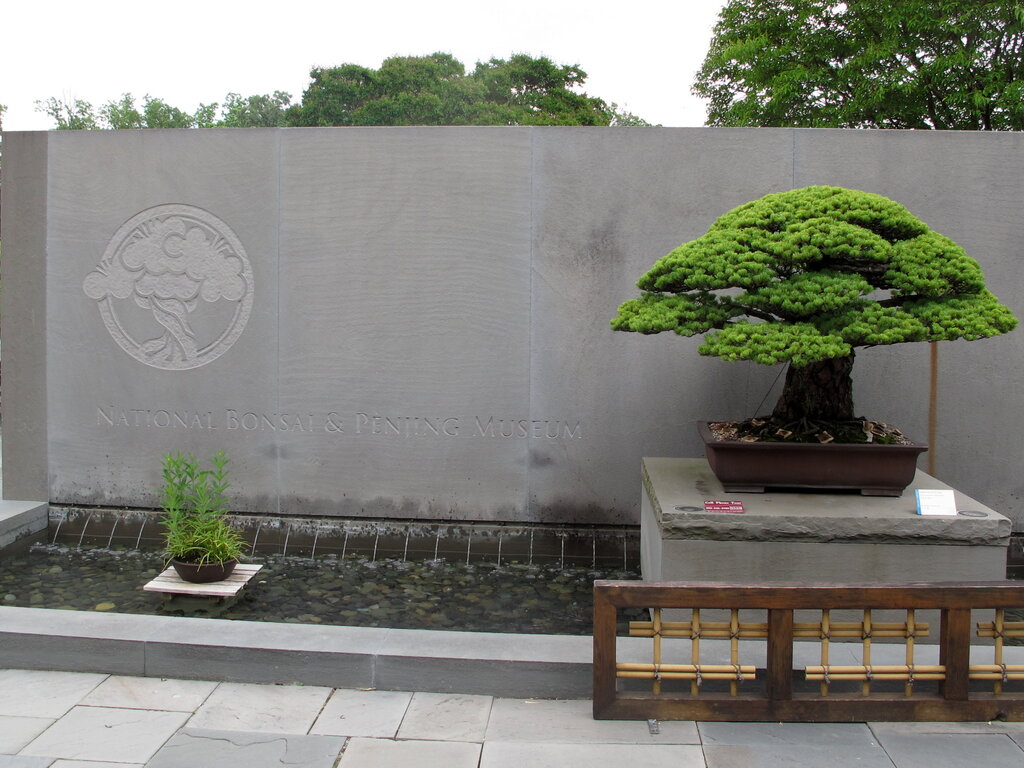
The practice of creating miniature landscapes began in China over a thousand years ago with an art form called penjing. Buddhist monks later brought this practice to Japan, where it was refined into the art of bonsai we know today.
Closely associated with Zen Buddhism, bonsai embodies principles of harmony, simplicity, and balance. It's a meditative practice, connecting the artist with the natural world. Some bonsai trees are passed down through generations, becoming treasured family heirlooms that can live for hundreds of years.
An Overview of Styles
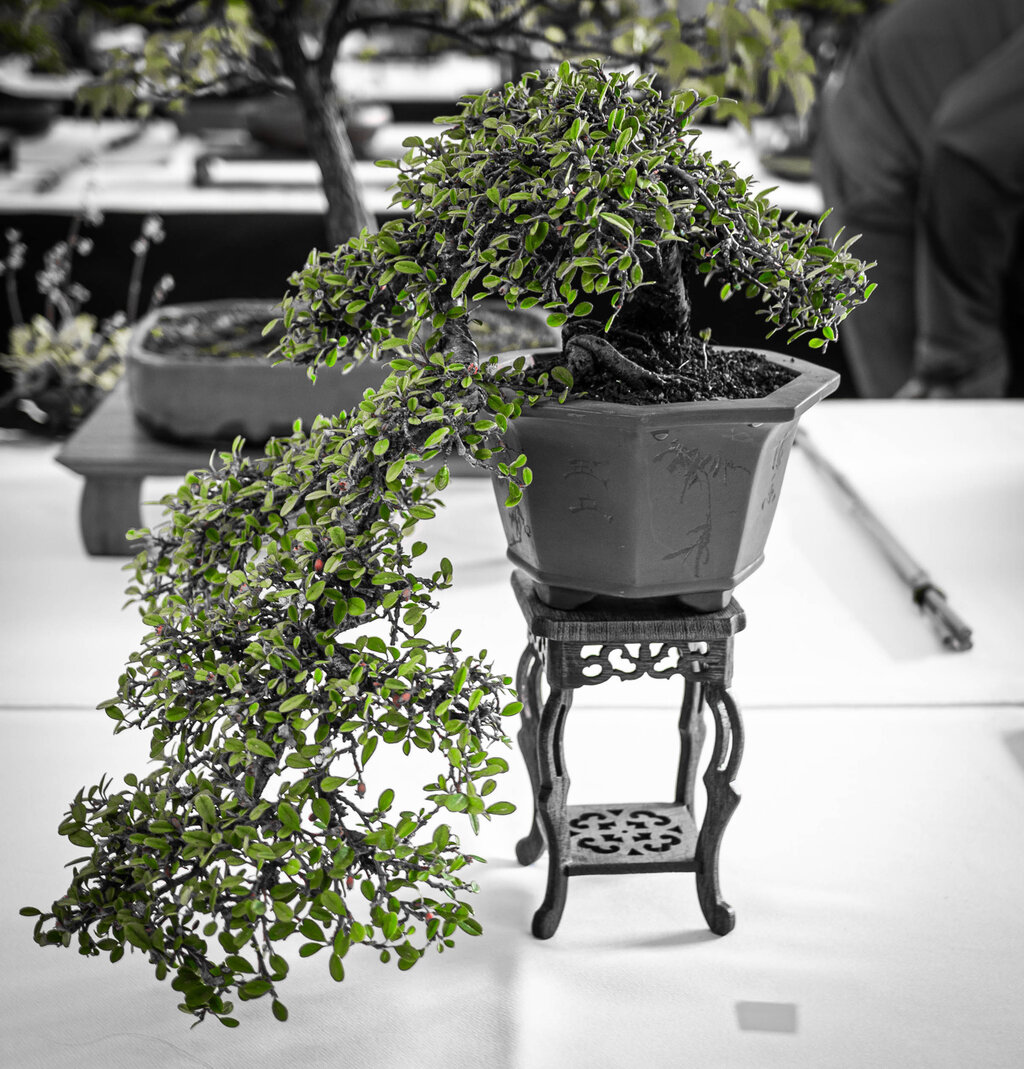
Bonsai artists observe trees in nature and use them as inspiration. Different styles have been developed to mimic the ways trees grow in various environments, from a perfectly straight tree in an open field to one clinging to the side of a cliff. Here are a few foundational styles:
| Style | Japanese Name | Description |
|---|---|---|
| Formal Upright | Chokkan | A straight, upright trunk that tapers evenly to the top. Branches are balanced. |
| Informal Upright | Moyogi | The trunk has gentle curves, but the apex is directly over the base. |
| Cascade | Kengai | The trunk grows downwards, well below the bottom of the pot, like a tree on a cliff. |
| Forest | Yose-ue | Multiple trees (usually an odd number) are planted together to create a miniature forest. |
These are just a starting point. There are many other styles, each with its own character and aesthetic principles. Understanding these basic forms helps you appreciate the artistry and see the natural inspiration behind each tree.
Basic Tools and Materials
While there are many specialized tools, you only need a few basics to get started. The essentials revolve around pruning, potting, and providing the right environment for your tree.
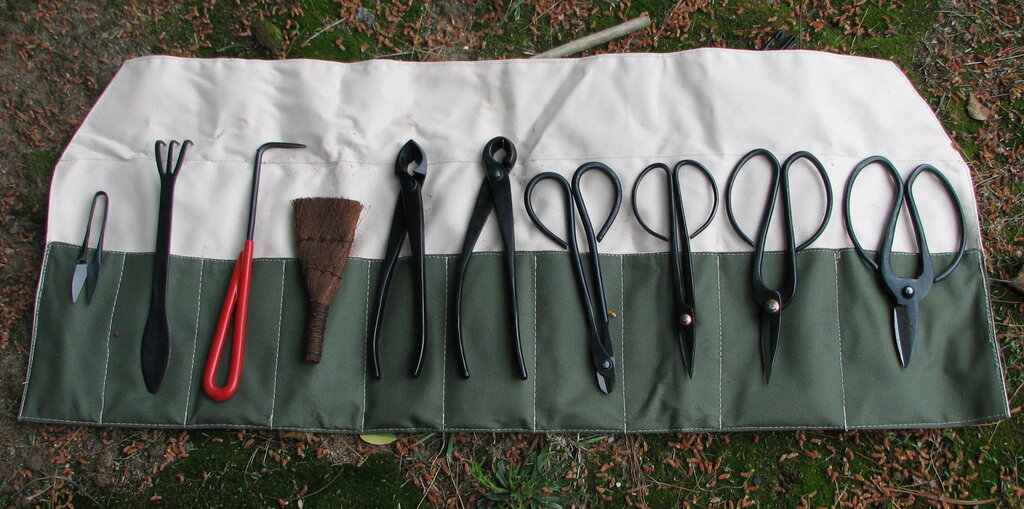
The most important tools for a beginner are a pair of sharp concave cutters or pruning shears, a suitable pot, and the right soil mix.
A proper bonsai pot is crucial. It must have drainage holes to prevent the roots from rotting. The pot's size and style should complement the tree, contributing to the overall composition.
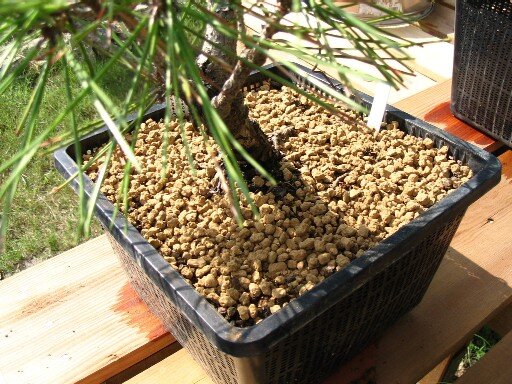
Bonsai cannot survive in regular potting soil, which holds too much water. They require a special, coarse soil mixture that allows for excellent drainage and aeration. Common ingredients include akadama (a hard-baked Japanese clay), pumice, and lava rock. This mix encourages a fine, healthy root system.
Now that you understand the core concepts, it's time to review.
Let's test your knowledge.
The art of bonsai as we know it today was refined in Japan, but it originated from an earlier Chinese art form. What is that form called?
Why is a special, coarse soil mixture (like one containing akadama, pumice, and lava rock) essential for a healthy bonsai tree?
With this foundation, you're ready to explore the first practical step in your bonsai journey: selecting the right tree.