Bonds and SIPs: Your Investment Toolkit
Bond Fundamentals
What Exactly Is a Bond?
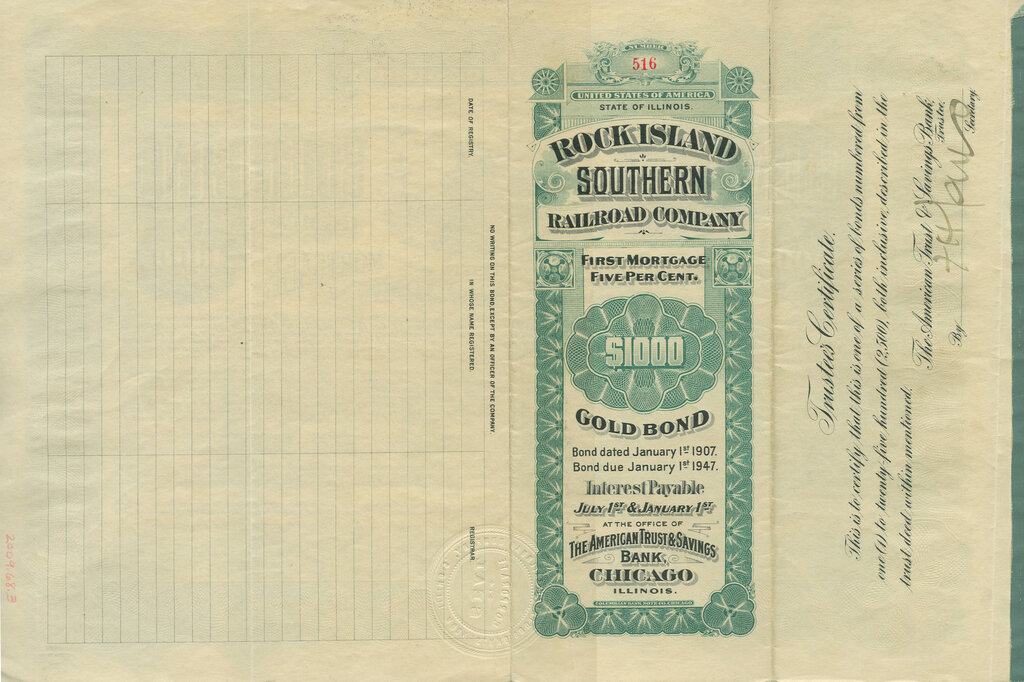
At its core, a bond is just a loan. When you buy a bond, you are lending money to an entity, which could be a government or a corporation. In return for your loan, the issuer promises to pay you periodic interest over a set period and then return the original amount at the end.
Think of it this way: you are the bank, and the bond issuer is the borrower. The bond is the formal agreement outlining the terms of this loan.
This simple arrangement makes bonds a fundamental part of the financial world. Governments use them to fund everything from new highways to public schools, while companies use them to finance expansion, research, and operations.
The Anatomy of a Bond
Every bond is defined by three key components. Understanding these is crucial to understanding how bonds work.
| Component | Description | Example |
|---|---|---|
| Face Value | Also called par value, this is the amount the issuer agrees to repay at the end of the loan term. It's the principal. | A bond with a face value of ₹1,000 means you'll get ₹1,000 back when it matures. |
| Coupon Rate | This is the fixed annual interest rate the issuer pays the bondholder. The actual payment is called the coupon. | A ₹1,000 bond with a 6% coupon rate pays ₹60 in interest per year, often split into two ₹30 payments every six months. |
| Maturity Date | This is the specific date when the issuer must repay the bond's face value. | A 10-year bond issued in 2024 will mature in 2034. At that point, the loan is paid off. |
Who Issues Bonds?
Bonds are primarily issued by two types of entities: governments and corporations. While the basic structure is the same, their purpose and risk profile differ significantly.
Government Bonds are issued by national governments to raise money for public spending. In India, these are known as G-Secs. Because they are backed by the full faith and credit of the government, they are considered one of the safest investments available. The risk of the government defaulting on its debt is extremely low.
Corporate Bonds, on the other hand, are issued by companies. A company might issue bonds to build a new factory, develop a new product, or manage its cash flow. These bonds are riskier than government bonds because a company's financial health can change. If the company performs poorly, it might struggle to make its interest payments or even default on the bond entirely.
Common Bond Flavours
While there are many types of bonds, two of the most common are fixed-rate bonds and zero-coupon bonds.
A fixed-rate bond is the classic example we've been using. Its coupon rate is set at the time of issue and does not change throughout the bond's life. This provides a predictable, steady stream of income for the investor.
A zero-coupon bond works differently. It pays no periodic interest. Instead, the investor buys the bond at a significant discount to its face value. The return comes from the difference between the purchase price and the face value received at maturity.
For example, you might buy a 10-year zero-coupon bond with a ₹1,000 face value for just ₹600 today. You receive no annual payments, but in 10 years, the issuer pays you the full ₹1,000.
The Risk-Return Trade-Off
A core principle in investing is that risk and return are directly related. To get a higher potential return, you must accept a higher level of risk. Bonds are a perfect illustration of this.
A high-quality corporate bond from a stable, profitable company will offer a lower coupon rate than a bond from a struggling start-up. Why? Because the risk of the start-up defaulting is much higher. To attract investors, the riskier company must offer a more attractive reward, a higher interest rate.
This is why government bonds, being the least risky, typically offer the lowest returns. Investors accept a lower payout in exchange for the near-certainty that their principal will be returned. This trade-off is the fundamental decision every bond investor must make.
Now that you understand the basic building blocks of a bond, you're ready to explore how they are valued and how their prices change in the market.