Bonds and Fixed Income Essentials
Bond Fundamentals
What Is a Bond?
Think of a bond as a formal IOU. When you buy a bond, you are lending money to an organization, which could be a company or a government. In return for your loan, the issuer promises to pay you back the full amount on a specific date, and along the way, they'll usually pay you interest for the privilege of using your money.
Essentially, you become the lender, and the bond issuer is the borrower. It's a straightforward way for large entities to raise capital for projects, operations, or other needs.
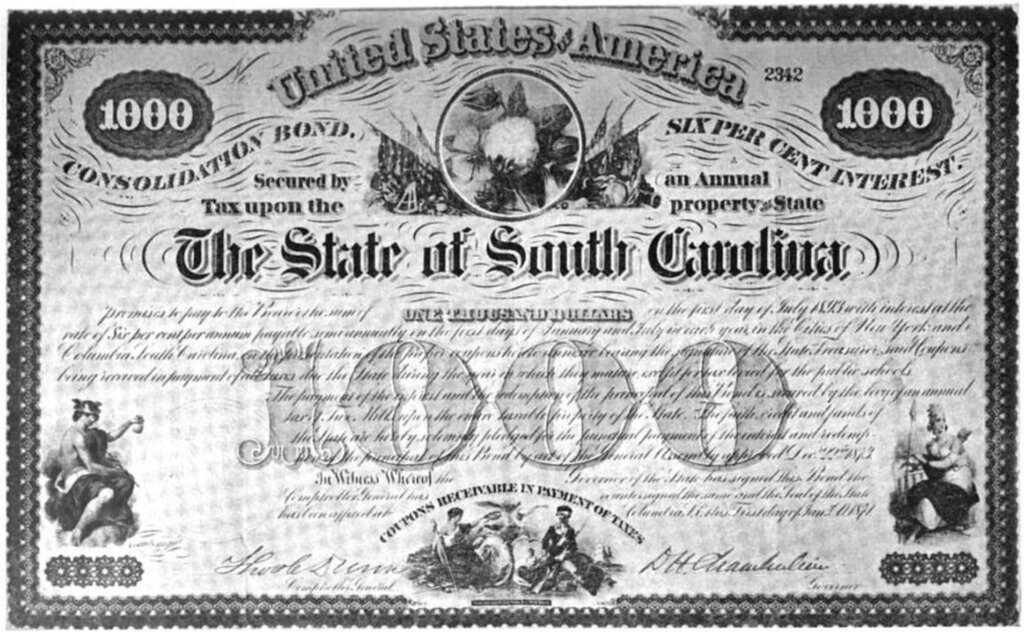
The Anatomy of a Bond
Every bond is defined by three key components that tell you exactly what to expect from your investment. Understanding these parts is crucial to understanding how bonds work.
Face Value
noun
The amount of money a bond will be worth at its maturity. It's also known as par value.
The face value is the principal amount of the loan. If you buy a bond with a $1,000 face value, you're lending the issuer $1,000. This is the amount you get back when the bond's term is over.
Coupon
noun
The annual interest rate paid on a bond, expressed as a percentage of its face value.
The interest payments themselves are called coupon payments. The term comes from the days when physical bond certificates had detachable coupons that investors would clip and redeem for their interest. For a bond with a 5% coupon and a $1,000 face value, the annual coupon payment would be . These payments are typically made semi-annually, so in this case, you would receive two $25 payments each year.
Maturity
noun
The date on which the final payment is due on a bond, at which point the principal (face value) is repaid.
The maturity date is when the bond's life ends. On this date, the issuer makes the final interest payment and repays the bond's face value to the investor. The time to maturity can vary widely, from just a few months to 30 years or more.
Bond Prices and Interest Rates
One of the most important concepts in the bond market is the inverse relationship between bond prices and interest rates. When new bonds are issued with higher interest rates, existing bonds with lower coupon rates become less attractive. To compete, the price of these older bonds must fall.
When interest rates go up, the market price of existing bonds goes down. When interest rates go down, the market price of existing bonds goes up.
Let's walk through an example. Suppose you own a 10-year bond with a $1,000 face value and a 3% coupon. You receive $30 in interest each year.
A year later, interest rates in the market rise. A newly issued 9-year bond with a $1,000 face value now comes with a 5% coupon, paying $50 a year. Suddenly, your 3% bond isn't as appealing. Why would anyone buy your bond for $1,000 and get $30 a year when they could buy a new bond for $1,000 and get $50 a year?
To sell your bond, you'd have to lower its price to a point where the return for the new buyer is competitive with the 5% they could get elsewhere. Your bond's coupon rate is fixed, but its price in the market is not.
This relationship is fundamental to bond investing. It means that even though a bond's coupon payments and face value are fixed, its market value can change throughout its life. This fluctuation creates both risk and opportunity for investors.
When you purchase a bond, what are you essentially doing?
If you own a bond with a face value of $2,000 and a 4% coupon rate, what is the total annual coupon payment you will receive?
These are the building blocks of the bond market. With these concepts in hand, you're ready to explore how these IOUs play a vital role in finance.