Boeing Airbus Aircraft and Airline Business Analysis
Aircraft Types
The Workhorses of the Sky
Most flights you take, especially shorter domestic ones, are on what's known as a narrow-body aircraft. These planes have a single aisle with seats on either side, making them efficient for routes with high frequency and moderate passenger numbers. Two families of aircraft dominate this category: the Airbus A320 and the Boeing 737.
Airbus A320 Family
The Airbus A320 is a favorite among many low-cost carriers, including IndiGo. It's known for its fuel efficiency and operational reliability. The A320 family includes several variants, most notably the A320neo (new engine option), which offers even better fuel economy and a quieter ride. These planes are the backbone of domestic and short-haul international travel in India, connecting major cities and regional hubs.
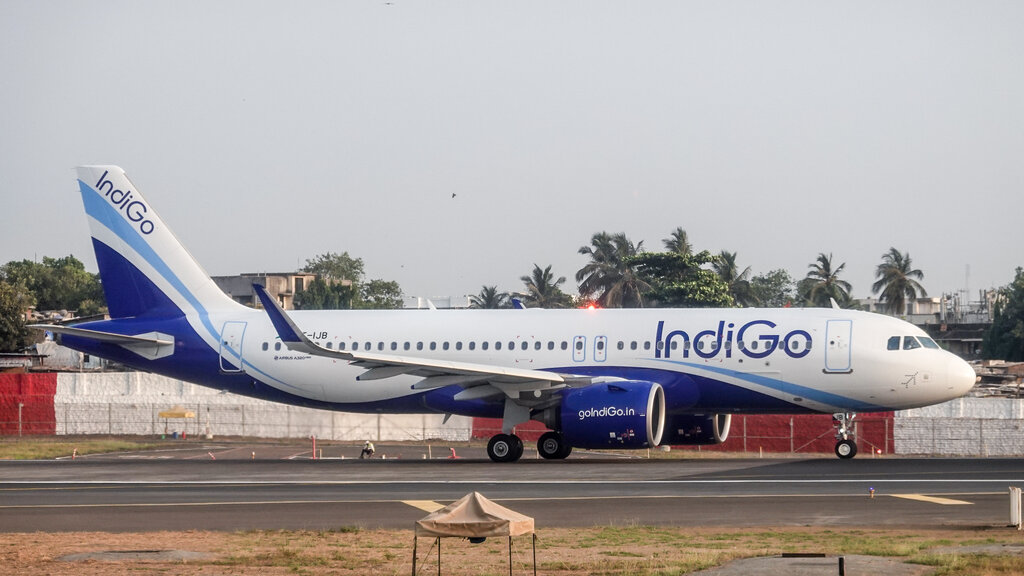
With a typical range of about 6,500 kilometers and seating for up to 186 passengers in a single-class layout, the A320 is perfectly suited for flights lasting a few hours. A longer version, the A321neo, can carry over 220 passengers, allowing airlines to serve popular routes with more capacity.
| Aircraft | Typical Seating | Range |
|---|---|---|
| Airbus A320neo | 180-186 | 6,500 km |
| Airbus A321neo | 220-240 | 7,400 km |
Boeing 737 Family
The Boeing 737 is the A320's direct competitor and the best-selling commercial aircraft in history. Airlines like SpiceJet rely heavily on different versions of the 737 for their operations. Like the A320, it's a narrow-body jet designed for efficiency on short to medium-length routes.
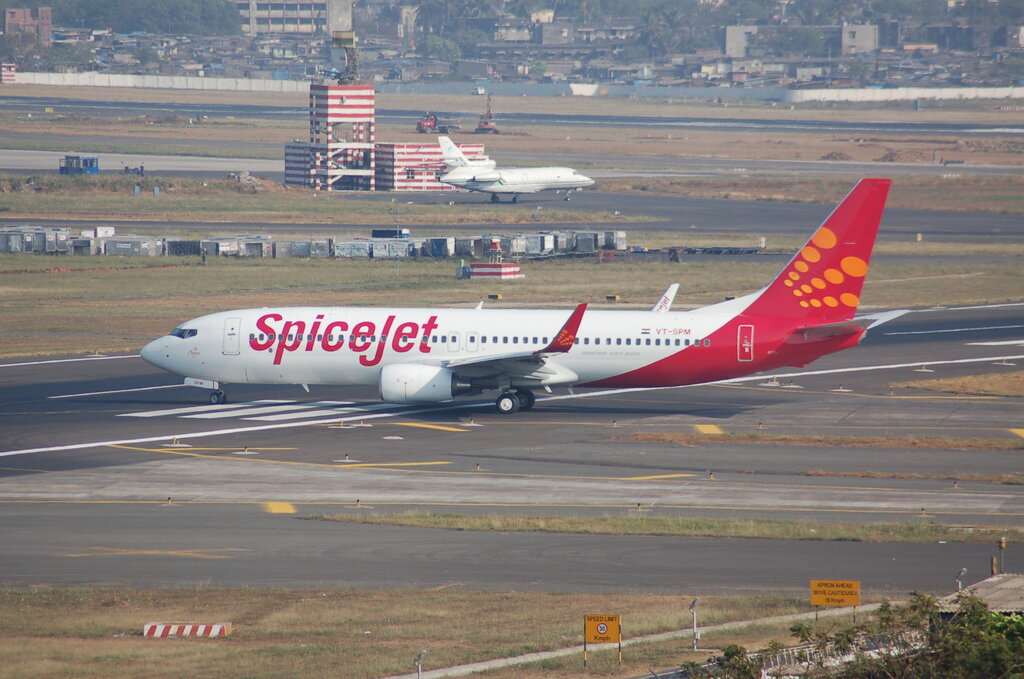
The most common variant in service today is the 737-800, which has a similar capacity and range to the A320. Boeing also developed the 737 MAX series, an updated version with new engines and improved aerodynamics to compete with the A320neo. These planes are versatile, capable of everything from a quick hop between Mumbai and Delhi to a longer flight to Dubai.
| Aircraft | Typical Seating | Range |
|---|---|---|
| Boeing 737-800 | 189 | 5,449 km |
| Boeing 737 MAX 8 | 189-200 | 6,570 km |
The Long-Haul Giants
For flights that cross continents, airlines turn to wide-body aircraft. These larger planes feature two aisles and can carry many more passengers over much longer distances. They make non-stop flights from India to Europe or North America possible. Two of the most advanced wide-body jets are the Airbus A350 and the Boeing 787 Dreamliner.
While these aren't the primary aircraft for low-cost carriers like SpiceJet, they are becoming increasingly important for full-service Indian airlines and represent the future of long-haul travel from the region.
The Airbus A350 is built with a significant amount of composite materials, like carbon fiber, which makes it lighter and more fuel-efficient. It’s designed for passenger comfort, with a quieter cabin and higher humidity levels to reduce jet lag.
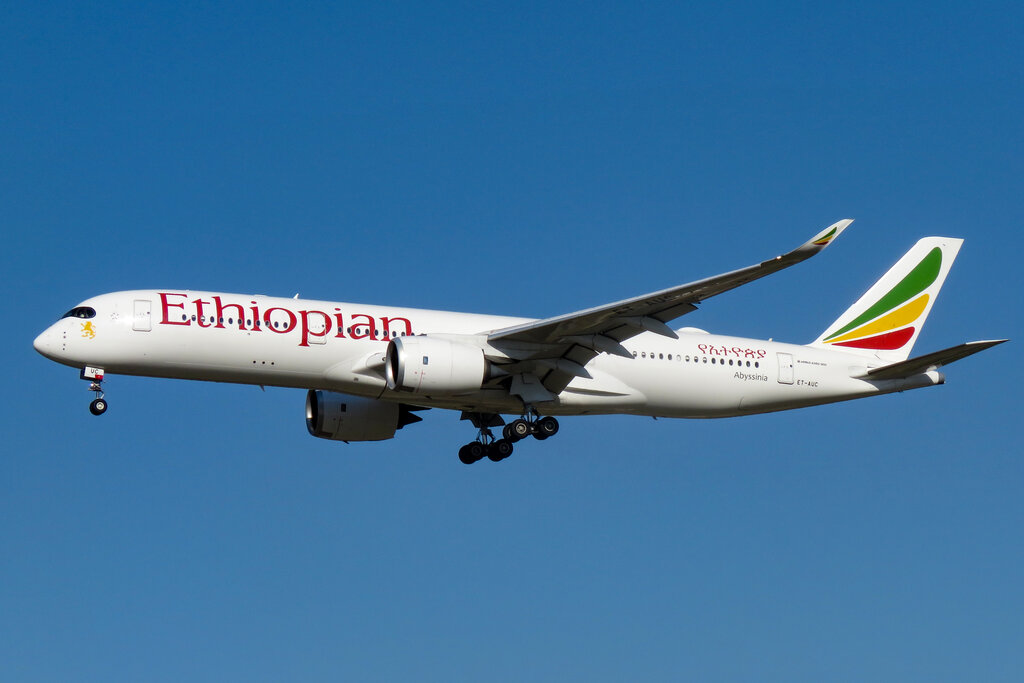
The A350 can fly up to 18,000 kilometers and typically seats between 300 and 350 passengers in a standard three-class configuration. This capability allows airlines to offer direct routes that were previously impossible.
The Boeing 787 Dreamliner is another revolutionary wide-body aircraft. Like the A350, it makes extensive use of composite materials. The 787 is known for its large, dimmable windows and a lower cabin altitude, which helps passengers feel more refreshed after a long flight.
The Dreamliner comes in a few different sizes. The 787-8 can carry around 242 passengers up to 13,620 km, while the larger 787-9 can carry about 290 passengers even farther. Its efficiency has allowed airlines to open up new long-haul routes from secondary cities, bypassing major hubs.
What is the defining characteristic of a narrow-body aircraft?
An airline wants to operate a non-stop route from India to North America. Which of these aircraft would be most suitable for such a long-haul flight?
From the short-haul workhorses to the long-haul giants, each aircraft is designed for a specific purpose, helping airlines build a network that connects cities near and far.