Boehringer Ingelheim Company Profile
Company History
From Tartaric Acid to Pharmaceuticals
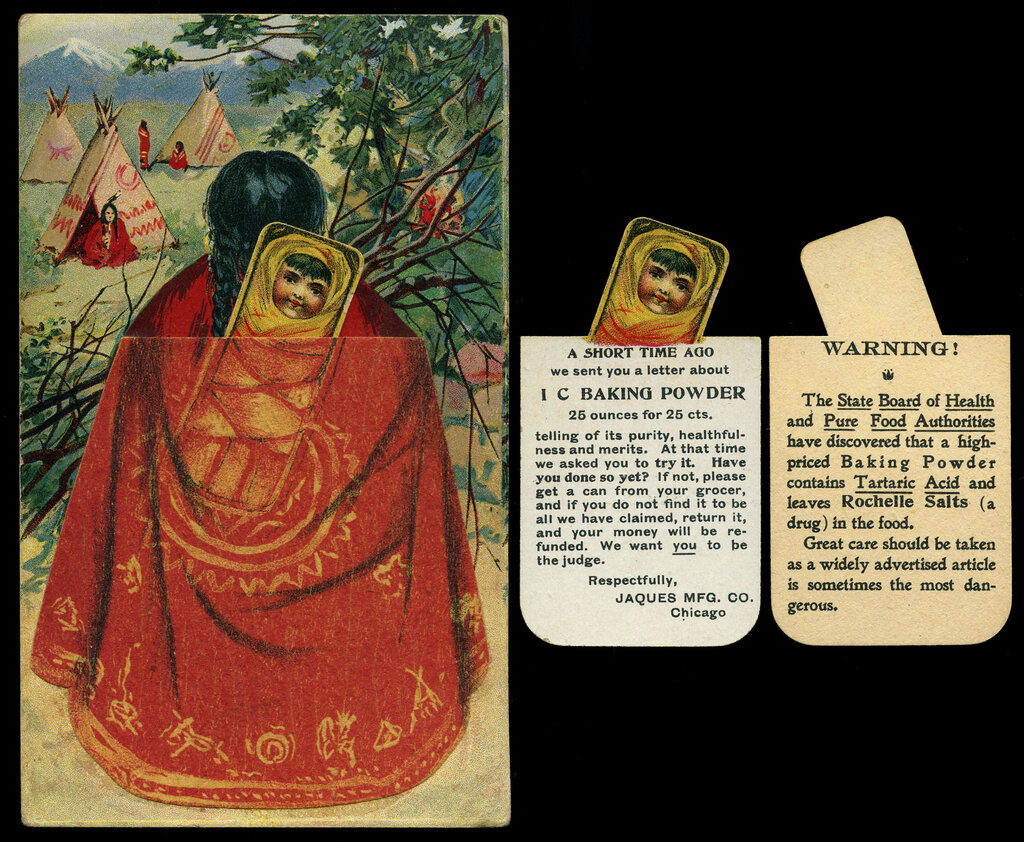
In 1885, Albert Boehringer purchased a small tartaric acid factory in Ingelheim am Rhein, Germany. At the time, tartaric acid was a key ingredient in products like baking powder and fizzy drinks. This was the humble beginning of Boehringer Ingelheim.
The company’s focus soon shifted. A pivotal moment came during an attempt to produce citric acid. Through a fermentation process that went unexpectedly awry, the team discovered a way to produce lactic acid on an industrial scale using bacteria. This breakthrough demonstrated the company's potential for biotechnological innovation and set it on a new path.
By the early 20th century, Boehringer Ingelheim was already moving into human pharmaceuticals. The company isolated an alkaloid from the coca plant, which became the basis for its first pharmaceutical products, including treatments for respiratory issues. This transition from chemicals to medicines marked the true beginning of the company we know today.
Growing Through Mergers and Swaps
A company doesn't grow to a global scale by standing still. For over a century, Boehringer Ingelheim has expanded its reach and capabilities through strategic acquisitions. These moves weren't just about getting bigger; they were about gaining new expertise and entering new markets.
In 1986, the company acquired Fauvet-Girel, a French firm, which significantly boosted its animal health business. Later, in 2001, the purchase of F.H. Faulding, an Australian company, expanded its presence in generic drugs.
A more complex and transformative move came in 2017. In a major business swap with the French pharmaceutical company Sanofi, Boehringer Ingelheim traded its consumer healthcare division for Sanofi's animal health business, Merial. This deal reshaped both companies, allowing Boehringer Ingelheim to become a global leader in veterinary medicine while sharpening its focus on prescription drugs and animal health.
The Power of Partnerships
Beyond acquiring companies, Boehringer Ingelheim has a long history of forming strategic partnerships. These collaborations allow the company to combine its strengths with those of other experts, from academic institutions to other major corporations and even tech giants.
Partnerships are crucial in the pharmaceutical industry, where the cost and complexity of developing new drugs are immense. By sharing the risks and rewards of research and development, companies can bring new treatments to patients faster and more efficiently.
For example, a long-standing alliance with Eli Lilly & Co. has produced some of the most widely used diabetes medications in the world. More recently, a collaboration with Google's Quantum AI division aims to use cutting-edge computing to accelerate drug discovery. These partnerships show a commitment to looking outside the company's own walls for the next big breakthrough.
| Partner | Area of Collaboration | Purpose |
|---|---|---|
| Eli Lilly & Co. | Diabetes | Co-develop and market new treatments for type 2 diabetes. |
| OSE Immunotherapeutics | Immuno-oncology | Develop new therapies that use the immune system to fight cancer. |
| Google Quantum AI | Drug Discovery | Utilize quantum computing to simulate molecules and speed up R&D. |
Evolving the Structure
One of the most distinctive features of Boehringer Ingelheim is its corporate structure. While most companies of its size are publicly traded on the stock market, it has remained a private, family-owned company for its entire history. This structure has allowed for a focus on long-term strategy rather than short-term shareholder demands.
From a single factory in Germany, the company has grown into a decentralized global organization with three main business areas: Human Pharma, Animal Health, and Biopharmaceutical Contract Manufacturing. This structure allows each division to operate with a degree of autonomy while benefiting from the resources of the parent company.
This evolution from a small chemical producer to a global, yet still private, pharmaceutical powerhouse is a story of strategic adaptation, innovation, and a consistent, long-term vision.