Board Game Design Fundamentals
Understanding Game Mechanics
The Rules of Play
At the heart of every board game are its mechanics. Think of them as the verbs of the game, the set of rules and procedures that define what you can do. They are the engine that makes the game run, guiding your actions, interactions, and the game's response to them. From rolling dice to moving a piece, every action is governed by a mechanic.
Mechanics serve as the scaffolding upon which the entire experience is constructed.
While countless mechanics exist, most games are built around a central one that defines the core experience. Understanding a few common types is like learning the key ingredients in your favorite recipes. It helps you see how games are built and what kind of experience they offer.
Three Core Mechanics
Let's explore three popular mechanics that you'll find in many modern board games. Each one creates a distinct style of play.
First up is Area Control. Just like the name suggests, this mechanic is all about gaining and maintaining influence over a physical territory on the game board. Players compete to have the majority of pieces in a particular region to score points or gain benefits. This often leads to direct conflict and tense standoffs as players jostle for position.
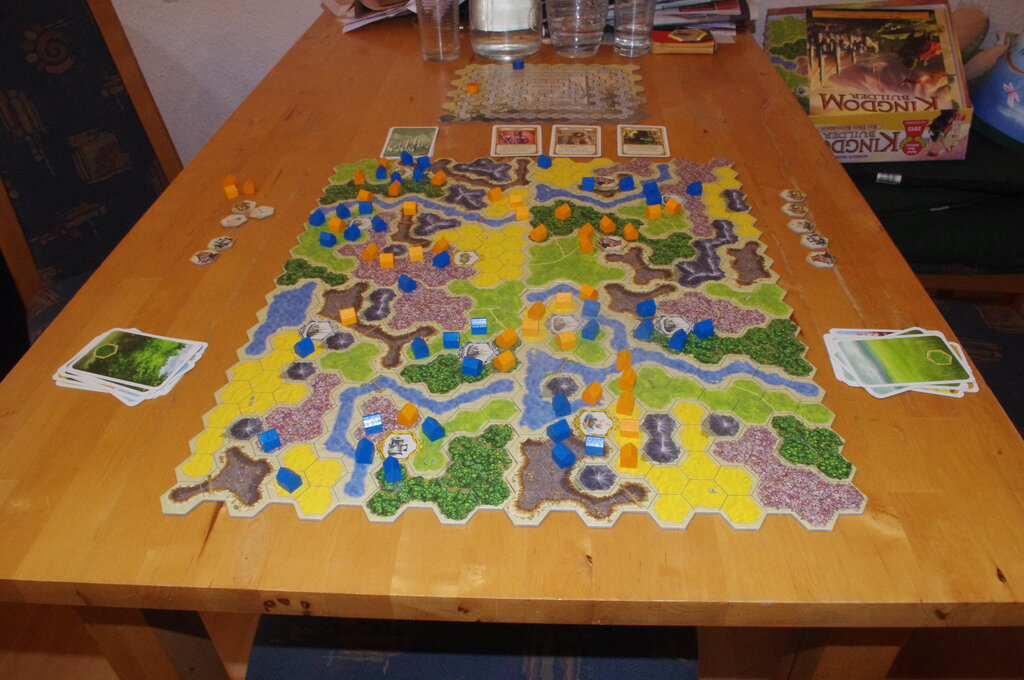
In a classic area control game, you might place your pieces in a region to claim its points. But watch out, an opponent can place more pieces there on their turn, stealing control and the points that come with it.
Next is Deck Building. In these games, you don't just play with a pre-made deck of cards. Instead, every player starts with a small, identical, and often weak set of cards. Throughout the game, you use these cards to "buy" new, more powerful cards from a central marketplace, adding them to your personal deck. The goal is to build a more efficient and powerful deck that helps you achieve victory. Each shuffle brings a new combination of possibilities.
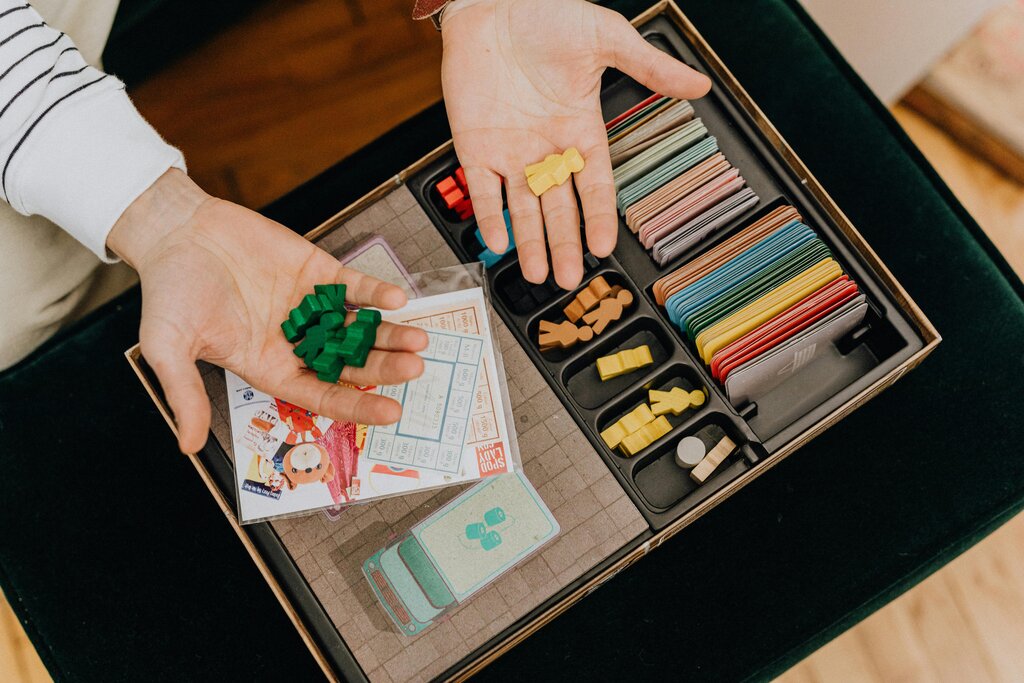
Finally, we have Worker Placement. In this type of game, each player has a limited number of tokens, or "workers." On your turn, you place one of your workers on a specific action space on the board, immediately gaining the benefit of that space. This could be gathering resources, building something, or taking another special action.
The catch? Once a worker is placed on a spot, that action is often unavailable to other players for the rest of the round. This creates a powerful sense of tension. You have to prioritize your actions and anticipate what your opponents might want, sometimes taking a spot just to block them.
How Mechanics Shape Experience
The choice of a core mechanic fundamentally shapes how a game feels. It's the difference between a tense negotiation and a quiet puzzle.
-
Area Control games are often highly interactive and can feel confrontational. Success depends on watching your opponents closely and reacting to their moves. It’s a game of board position and territorial dominance.
-
Deck Building offers a strong sense of progression. You start weak but build your own powerful engine over time. It’s a more personal journey, where you feel clever for creating a powerful combination of cards that works just right.
-
Worker Placement games feel like a tight, strategic puzzle. With limited workers and shared action spaces, every decision matters. The tension comes from scarcity and efficiency. You're trying to optimize your own moves while also predicting and blocking your opponents' plans, often with very little direct conflict.
Many games even mix and match these ideas, using one as the core and borrowing elements from others to create unique experiences. By recognizing these patterns, you can better understand why you enjoy certain games and find new ones you're likely to love.
Now, let's see how well you've grasped these core concepts.
In a game, each player begins with a small, basic set of cards. Throughout the game, they use these cards to purchase new, more powerful cards from a common pool, adding them to their personal draw pile. Which core mechanic does this describe?
You're playing a game where the primary goal is to have the most of your pieces in various regions of the board to score points at the end of each round. What mechanic is this game built around?
Understanding these mechanics is the first step to seeing the deeper structure and design behind the games you play.