Bluegrass Guitar Mastery
Introduction to Bluegrass Guitar
The Heartbeat of Bluegrass
In a bluegrass band, the guitar is the engine. While instruments like the banjo, fiddle, or mandolin often play the flashy melodies, the acoustic guitar provides the rhythmic foundation that drives the whole song. Its job is to keep a steady, pulsing beat that the other musicians can lock into.
The most common role for a bluegrass guitarist is to play rhythm using a technique called the “boom-chuck.” This pattern creates a full, percussive sound that’s perfect for accompanying singers and soloists. Think of it as the bass and snare drum of the group, all coming from one instrument.
The Boom-Chuck Strum
The boom-chuck pattern is the bread and butter of bluegrass rhythm guitar. It's a two-beat pattern that alternates between a low bass note (the “boom”) and a strum of the higher strings (the “chuck”).
For a G chord, the “boom” would be a single note played on one of the low strings, like the low G on the 6th string. The “chuck” is a quick, crisp strum of the top three or four strings. This creates a bass-strum, bass-strum feel that pushes the music forward.
The “boom” happens on beats 1 and 3. The “chuck” happens on beats 2 and 4.
When the chord changes, the bass note changes too. For a C chord, you'd alternate between the C on the 5th string and the G on the 6th string for your “boom.” For a D chord, you’d use the open D on the 4th string and the A on the 5th string.
This technique of playing different bass notes within a chord is called creating a bass line. It adds movement and interest to the rhythm, making the music much more dynamic.
Flatpicking Basics
Bluegrass guitar is played with a flatpick, also known as a plectrum. This is essential for getting the loud, clear, and punchy tone needed to cut through the sound of the other instruments in the band. Fingerstyle playing is generally too quiet for a traditional bluegrass setting.
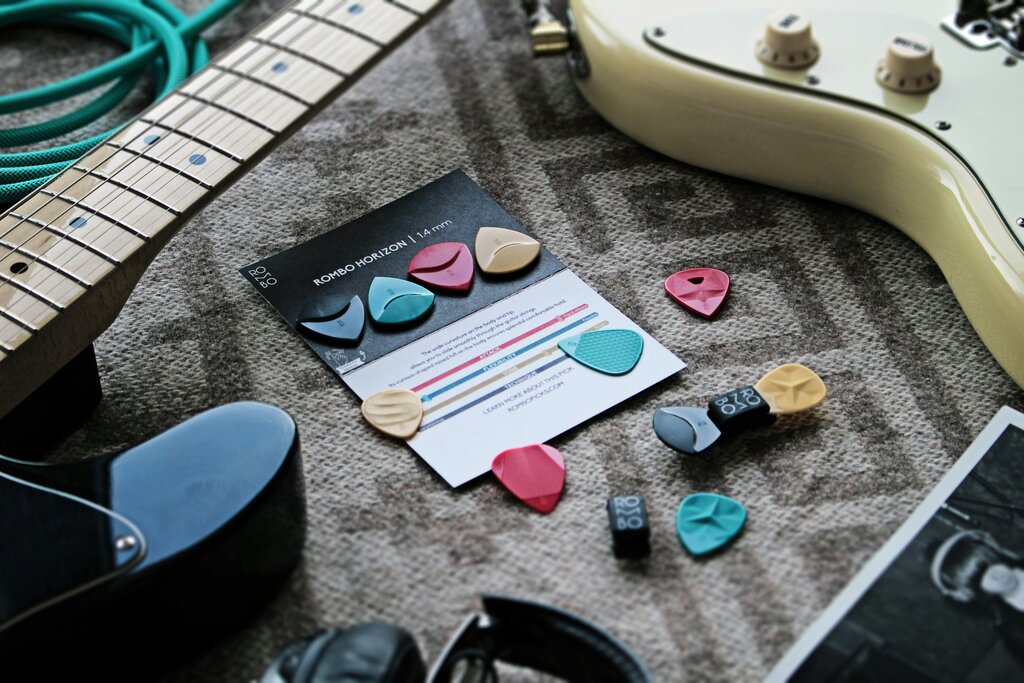
Hold the pick between your thumb and the side of your index finger. You want a firm grip, but don't clench it so hard that your hand tenses up. A relaxed wrist is key to both speed and endurance.
The basic motion for hitting the strings is alternate picking, which is a continuous down-up-down-up movement. For the boom-chuck rhythm, you'll use a strong downstroke for the 'boom' bass note and a quick downstroke (or a down-up flick) for the 'chuck' strum.
Essential Bluegrass Chords
You don't need a lot of complicated chords to play bluegrass. The genre is built around simple, open chords that ring out clearly on an acoustic guitar. These are often called “cowboy chords.” The most common chords you'll encounter are G, C, D, and A.
If you can play G, C, and D, you can play hundreds of bluegrass songs. These three chords form the basis of the most common key in bluegrass, the key of G.
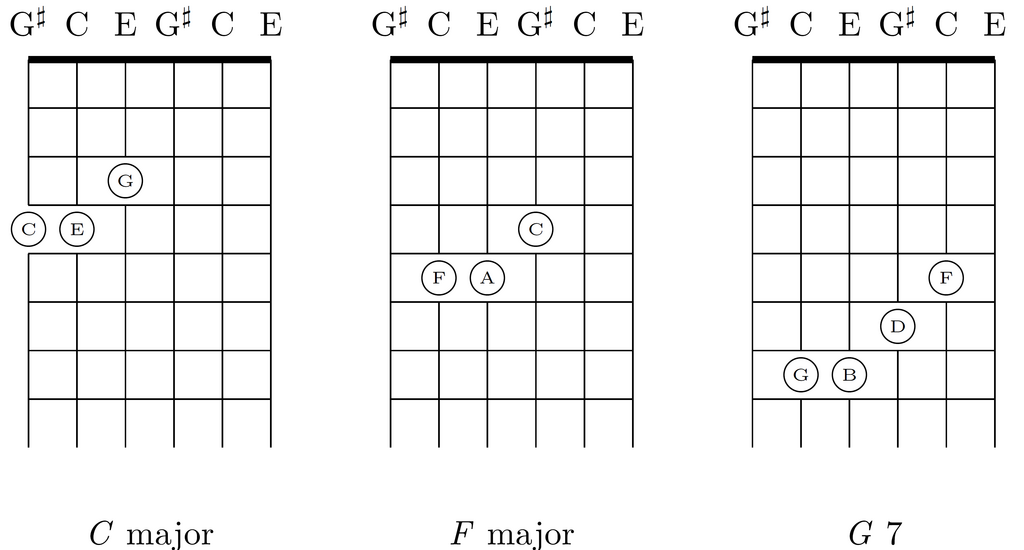
The most important skill to develop is changing between these chords smoothly and in time. The goal is to switch from one shape to another without pausing or breaking the rhythm. The boom-chuck strum is constant; your fretting hand just has to keep up!
Practice switching between G, C, and D very slowly at first. Focus on moving your fingers efficiently. Speed will come naturally once your fingers know where to go.
Start by practicing the boom-chuck on a G chord. Then, try switching to a C chord for a few measures, and then to a D. This is the foundation of playing rhythm guitar in bluegrass.
What is the primary role of the acoustic guitar in a traditional bluegrass band?
The common bluegrass rhythm technique that alternates a bass note with a strum is known as the '__________' pattern.
With these basics, you have the building blocks for playing bluegrass guitar. Focus on keeping a solid rhythm, and you'll be the most valuable player in the jam.