Blood Test Result Analysis
Complete Blood Count
Beyond the Count: Red Cell Indices
A complete blood count (CBC) tells you far more than just how many red blood cells (RBCs) you have. The real diagnostic power lies in the red cell indices, which describe the physical characteristics of your RBCs. These metrics act like a detective's magnifying glass, revealing clues about the underlying cause of an issue like anaemia.
The most important index is the Mean Corpuscular Volume (MCV), which measures the average size of your red blood cells. Think of it as a sorting mechanism. A normal MCV is typically between 80-100 femtolitres (fL).
- Low MCV (<80 fL): The cells are smaller than normal, a state called microcytic anaemia. This pattern often points towards iron deficiency, as iron is a key building block for haemoglobin, the protein that gives RBCs their bulk.
- Normal MCV (80-100 fL): The cells are normal-sized, leading to a diagnosis of normocytic anaemia. This can be caused by acute blood loss or chronic diseases that suppress RBC production without affecting their size.
- High MCV (>100 fL): The cells are larger than normal, a condition known as macrocytic anaemia. This is a classic sign of deficiencies in vitamin B12 or folate, both of which are crucial for DNA synthesis during red blood cell maturation in the bone marrow.
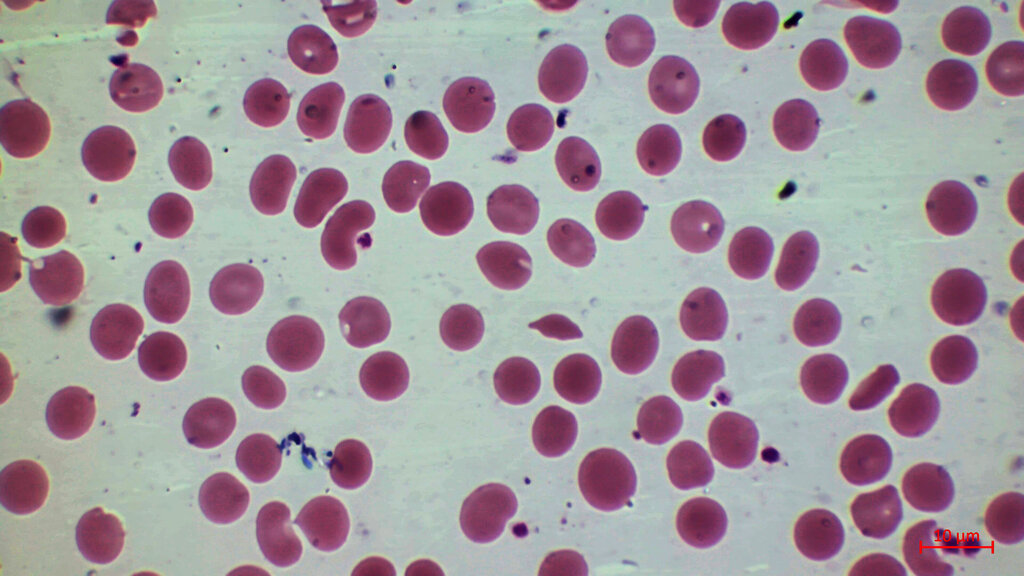
While MCV gives you the average size, the (RDW) tells you about the variation in size. A high RDW means there's a wide range of RBC sizes (anisocytosis), while a low RDW indicates the cells are all very similar in size. An elevated RDW is often one of the earliest signs of an evolving nutritional deficiency, like iron or B12, as the bone marrow starts producing smaller or larger cells, creating a mixed population.
| Anaemia Type | MCV | RDW | Common Causes |
|---|---|---|---|
| Iron Deficiency | Low | High | Inadequate iron intake, chronic blood loss |
| Thalassaemia | Low | Normal | Genetic defect in haemoglobin production |
| Anaemia of Chronic Disease | Normal | Normal | Chronic inflammation, kidney disease |
| B12/Folate Deficiency | High | High | Malabsorption, poor diet |
The White Cell Differential
The white blood cell (WBC) count gives an overall picture of your immune cells, but the 'differential' or 'diff' breaks it down by cell type. This is critical for pinpointing the nature of an infection or inflammatory process. The five main players are neutrophils, lymphocytes, monocytes, eosinophils, and basophils, each with a specialised role.
Always consider the absolute counts of each leukocyte type, not just the percentages. A high percentage of neutrophils might be misleading if the total WBC count is very low.
A shift in these counts tells a story.
Neutrophils are the immune system's first responders. An elevated count (neutrophilia) is the hallmark of an acute bacterial infection. The lab may also report a 'left shift', which means immature neutrophils (bands) are being released from the bone marrow to fight a severe infection.
Lymphocytes are key for viral defence. A high lymphocyte count (lymphocytosis) typically suggests a viral illness, such as mononucleosis or influenza. Some chronic bacterial infections, like tuberculosis, can also cause lymphocytosis.
Monocytes are the 'clean-up crew', turning into macrophages that engulf pathogens and cellular debris. Elevated monocyte levels are often associated with chronic inflammatory conditions, such as autoimmune diseases, or recovery from an acute infection.
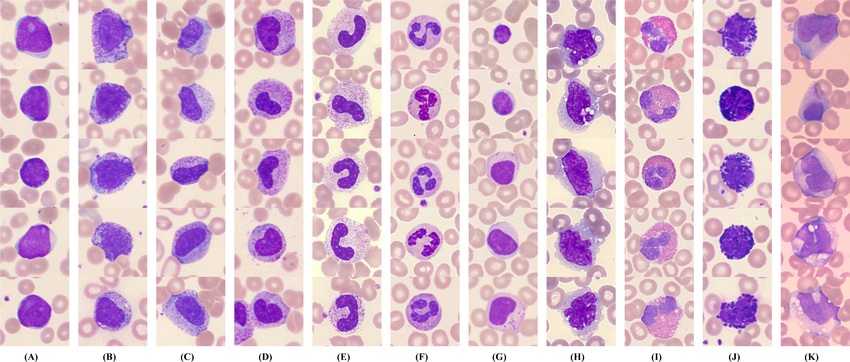
Eosinophils are specialised cells that fight parasitic infections and are major players in allergic reactions like asthma and hay fever. An increased count (eosinophilia) is a strong clue to look for one of these two causes.
Basophils, the least common WBCs, also participate in allergic responses by releasing histamine. A significant increase in basophils is rare but can be a red flag for certain leukaemias.
Platelets and Red Flags
Platelets are cell fragments crucial for blood clotting. A CBC measures both their number and sometimes their size (Mean Platelet Volume or MPV). A low platelet count, or thrombocytopenia, is a significant concern. It increases the risk of bleeding and can be caused by a wide range of issues, from viral infections that suppress bone marrow to autoimmune diseases where the body attacks its own platelets.
Conversely, a high platelet count (thrombocytosis) can increase the risk of forming unwanted blood clots. This might be a reactive process due to inflammation or iron deficiency, or it could signal an underlying disorder in the bone marrow itself. Any significant deviation in the platelet count, especially when accompanied by changes in RBC or WBC indices, warrants a closer look to understand the systemic issue at play.
A patient's CBC report shows a Mean Corpuscular Volume (MCV) of 115 fL. This result is most characteristic of which type of anaemia?
A blood test reveals a significantly elevated neutrophil count, a finding known as neutrophilia. What is the most common clinical cause for this?