Blockchain Governance Design
Blockchain Fundamentals
What Is a Blockchain?
At its heart, a blockchain is a special kind of digital notebook. Unlike a regular notebook kept by one person, this one is shared and copied across many computers. It’s a list of records, like transactions, that keeps growing over time.
At its most basic level, a blockchain is a digital ledger maintained by a decentralized network of computers.
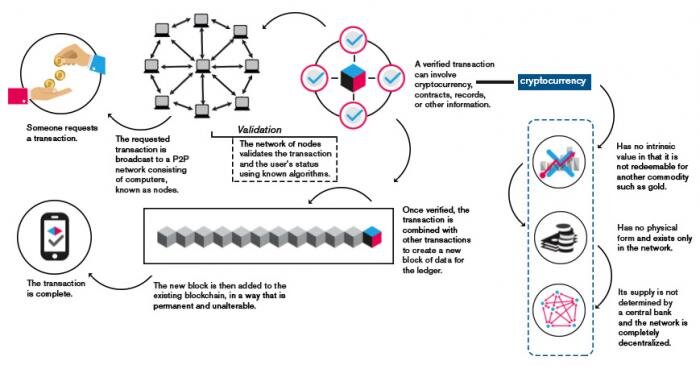
This digital ledger is made up of individual records called blocks. Each block contains a batch of transactions, a timestamp showing when it was created, and a unique code that acts like a digital fingerprint. Crucially, each block also contains the digital fingerprint of the block that came before it.
This is what creates the chain. By linking to the previous block, a secure, chronological order is formed. If you try to change the data in one block, its fingerprint changes. This breaks the link to the next block, and the discrepancy is immediately obvious to everyone on the network.
The Network of Nodes
So who keeps all these copies of the digital notebook? The computers that make up the blockchain network. Each computer participating in the network is called a node.
Nodes are the backbone of the blockchain. They maintain the network by storing a full copy of the entire blockchain. When a new transaction occurs, it's broadcast to all the nodes. The nodes check the transaction to make sure it's valid before adding it to a new block. This distributed system is what makes a blockchain decentralized.
Core Principles
Blockchains are built on three key ideas that work together: decentralization, security, and scalability.
Decentralization means there is no single person or organization in control. Unlike a traditional bank where all records are stored on a central server, a blockchain's data is distributed across thousands of nodes worldwide. This lack of a central point of failure makes the system incredibly resilient. No single entity can shut it down or manipulate the records.
Security comes from this decentralization, combined with cryptography. The linked structure of the blocks, with each one cryptographically tied to the last, makes the ledger tamper-proof. To alter a past transaction, an attacker would need to change that block and every single block that came after it, across a majority of the computers in the network. This is practically impossible.
Scalability refers to a blockchain's ability to handle a growing number of transactions. This is often the biggest challenge. There's a fundamental trade-off between keeping a network secure and decentralized while also making it fast and efficient enough for widespread use. This is often called the "blockchain trilemma."
Traditional blockchains face the fundamental trilemma: scalability, security, and decentralization.
Keeping Everyone in Agreement
In a decentralized network with no boss, how does everyone agree on what's true? If two nodes try to add a different block at the same time, which one gets added to the chain?
This is solved using a consensus mechanism. It’s a set of rules that all the nodes in the network follow to agree on the state of the ledger. This mechanism ensures that only valid transactions get recorded and that everyone has the exact same copy of the blockchain. It’s the process that allows a network of strangers to trust each other without needing a central intermediary.
Essentially, the consensus mechanism is the democracy of the blockchain. It's how the group decides which new block is the legitimate one to add to the chain, securing the entire system.
What is the primary role of a 'node' in a blockchain network?
What creates the 'chain' in a blockchain?
These core concepts are the foundation of all blockchain technology. By distributing a secure, shared ledger across a network of nodes, blockchains create a new way to record information and build trust.