Blockchain Fundamentals
Introduction to Blockchain
More Than Just Bitcoin
You've probably heard the word 'blockchain' alongside Bitcoin. While they're related, the technology behind Bitcoin is far more significant than just digital money. At its core, a blockchain is a new way of storing and sharing information.
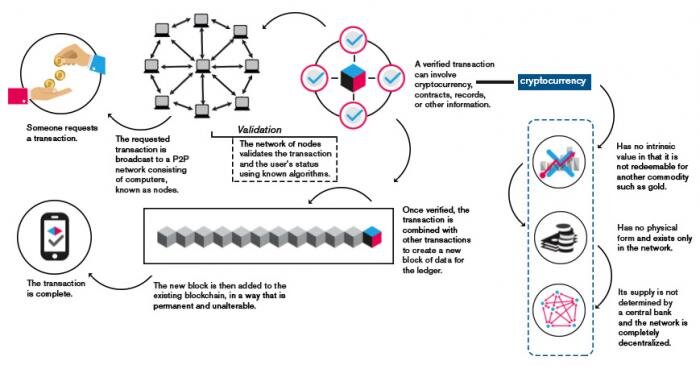
At its core, blockchain is a decentralized digital ledger that records transactions across multiple computers in a secure and transparent manner.
Think of a traditional ledger, like a bank's record of all its transactions. This record is held by one central authority—the bank. They control it, they verify it, and they are the single source of truth. If their ledger is compromised, or if they make a mistake, it can cause huge problems.
A blockchain flips this idea on its head. Instead of one central copy, the ledger is distributed across a network of many computers. Every participant in the network has their own identical copy. When a new transaction happens, it's added as a new 'block' of information to the 'chain' of existing records. This creates a continuously growing, shared history that everyone agrees upon.
The Three Pillars
What makes blockchain technology so powerful? It comes down to three key features that work together: decentralization, transparency, and immutability.
Decentralization means there is no single point of control. Instead of a central server or authority, the network is maintained by its participants. This makes the system more resilient. There's no single server to hack or shut down to bring the whole system offline.
Next is transparency. While the identity of participants can be anonymous, the transactions themselves are often public. Anyone on the network can view the ledger and see the history of transactions. This creates a level of openness that is difficult to achieve in traditional, closed systems.
Finally, and perhaps most importantly, is immutability. Once a transaction is added to the blockchain, it's permanent. The blocks are linked together using cryptography, like a digital wax seal. Changing a block would require changing every subsequent block in the chain, which would also require getting the majority of the network to agree to the change. This is computationally difficult and practically impossible on a large network, making the ledger tamper-proof.
immutability
noun
The quality of being unchangeable. In the context of blockchain, it means that once data is written to the ledger, it cannot be altered or deleted.
From Digital Cash to a New Internet
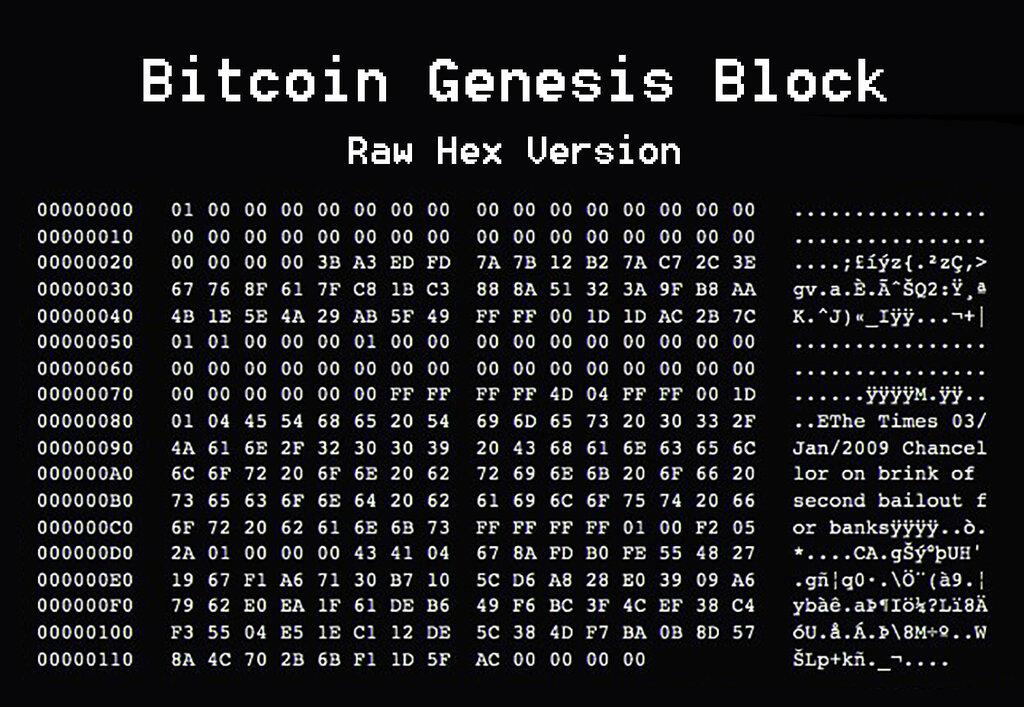
The first blockchain was created in 2009 by the anonymous person or group known as Satoshi Nakamoto. It was the technology that made the cryptocurrency Bitcoin possible, solving a long-standing computer science problem: how to create a secure digital cash system without a central bank to verify transactions.
For years, blockchain was synonymous with Bitcoin. But developers soon realized the underlying technology could be used for much more. If you can securely track digital currency without a middleman, why not other things? Think of tracking votes in an election, managing supply chains for luxury goods to prevent counterfeits, or creating digital records for property ownership or academic credentials.
The evolution of blockchain is often compared to the internet. The first phase was about information (email, websites). The next phase, powered by blockchain, could be about value and ownership.
This technology is still young and evolving, but its fundamental principles of decentralization, transparency, and immutability have the potential to reshape many industries. It offers a new model for how we can trust, transact, and interact with each other online.
Now, let's test your understanding of these core concepts.