Blockchain Fundamentals Explained
Introduction to Blockchain
A Shared Digital Notebook
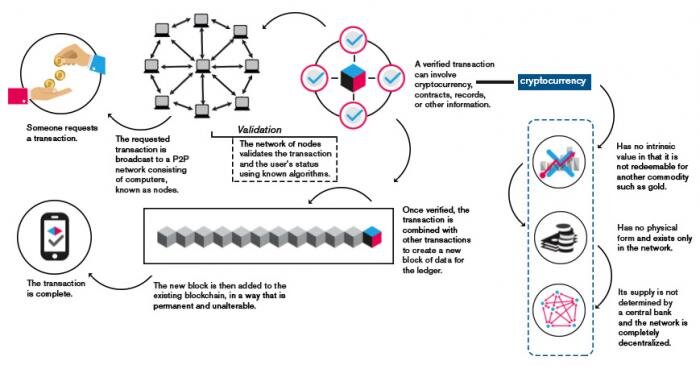
At its heart, a blockchain is a special kind of digital notebook. Imagine a notebook that's shared among a huge group of people. Whenever someone wants to add a new entry, they announce it to everyone. The group checks to make sure the entry is valid, and then everyone adds it to their copy of the notebook at the same time.
Once an entry is added, it can't be erased or changed. Ever. To alter a page, you'd have to convince the entire group to change their copies, which is nearly impossible.
This notebook is a ledger, a record of transactions. Traditionally, banks or governments keep these ledgers for us. They act as trusted middlemen to verify and record everything. The purpose of blockchain is to let us make and record transactions securely without needing that central authority.
Its Core Features
Blockchain's power comes from three key characteristics: decentralization, transparency, and security.
Decentralization
noun
The distribution of control and decision-making from a central authority to a distributed network.
In a traditional system, all data is stored on a central server owned by one company, like a bank or a social media platform. If that server goes down or gets hacked, the entire system is at risk. A blockchain is decentralized, meaning the ledger is copied and spread across many computers in a network. There's no single owner and no central point of failure.
Next is transparency. On most blockchains, anyone can view the entire history of transactions. You can't see who made the transactions, as user identities are hidden behind cryptographic addresses, but you can see every transaction that has ever occurred. This creates a level of openness that is rare in traditional financial systems.
Finally, there's security. The entries in the notebook are linked together in a chain of "blocks," with each new block containing a reference to the one before it. This structure, combined with complex math problems (cryptography), makes the ledger incredibly difficult to tamper with. Changing a single transaction would require changing every block that came after it across the entire network, all at once. This makes the system secure and the data immutable, or unchangeable.
A Brief History
The idea of a secure chain of information has been around since the early 1990s. But it wasn't until 2008 that blockchain technology found its first real-world application. A person or group using the pseudonym Satoshi Nakamoto published a paper outlining a new
A Peer-to-Peer Electronic Cash System.
This system, called Bitcoin, used blockchain to create the world's first decentralized digital currency. It allowed people to send money directly to each other without a bank. The Bitcoin blockchain was the first to solve the problem of how to get a distributed network of strangers to agree on a single source of truth without a central coordinator.
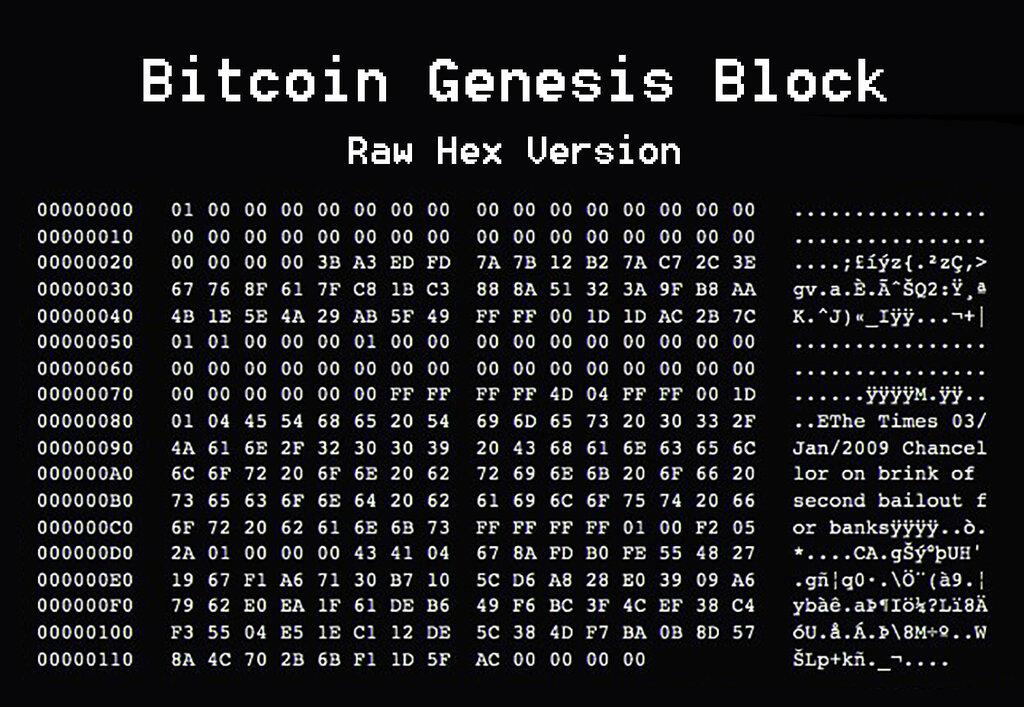
For years, blockchain was synonymous with Bitcoin. But developers soon realized the underlying technology could be used for much more than just currency. In 2015, the Ethereum blockchain was launched. It introduced the concept of "smart contracts," which are self-executing contracts with the terms of the agreement written directly into code. This innovation opened the door for building decentralized applications (dApps) for everything from finance to gaming.
Today, blockchain technology is being explored by countless industries. It's used for tracking supply chains, verifying digital identity, creating new forms of digital art, and much more. It started as a way to send money and has evolved into a foundational technology for building a more transparent and decentralized digital world.
Ready to test your knowledge?
At its most fundamental level, what is a blockchain?
Which of the following is NOT a core characteristic of blockchain technology?