Blockchain Fundamentals Explained
Introduction to Blockchain
What Is a Blockchain?
Think of a blockchain as a digital notebook that is shared among many people. Instead of one person holding the notebook, everyone in the group has an identical copy. When someone wants to add a new entry, they announce it to the group. Everyone then checks if the entry is valid and, if it is, they all add it to their own copy of thenotebook.
At its most basic level, a blockchain is a digital ledger maintained by a decentralized network of computers.
This structure is powerful because there's no central authority in charge. No single bank, government, or company controls the notebook. This is the core idea of decentralization. Because everyone has a copy, the system is also transparent. All entries are visible to all participants, building trust.
Finally, the entries are designed to be permanent. Once something is written down and agreed upon, it's incredibly difficult to change or remove. This feature is called immutability.
How It's Built
A blockchain gets its name from its structure: it's a chain of blocks. Each block is like a page in our digital notebook. It contains a list of transactions, a timestamp showing when it was created, and a unique digital fingerprint.
block
noun
A collection of data, including transactions, that is added to the blockchain.
These blocks are linked together in chronological order to form a chain. What connects them isn't a physical link, but a clever piece of cryptography called a hash.
A hash is a unique, fixed-length string of characters generated from the data inside a block. Think of it as a fingerprint for the block's content. If even a single character in the block's data changes, its hash will change completely. Each block contains the hash of the one before it, which is what chains them together securely. Tampering with an old block would change its hash, breaking the link to the next block and making the fraud obvious to everyone on the network.
A Brief History
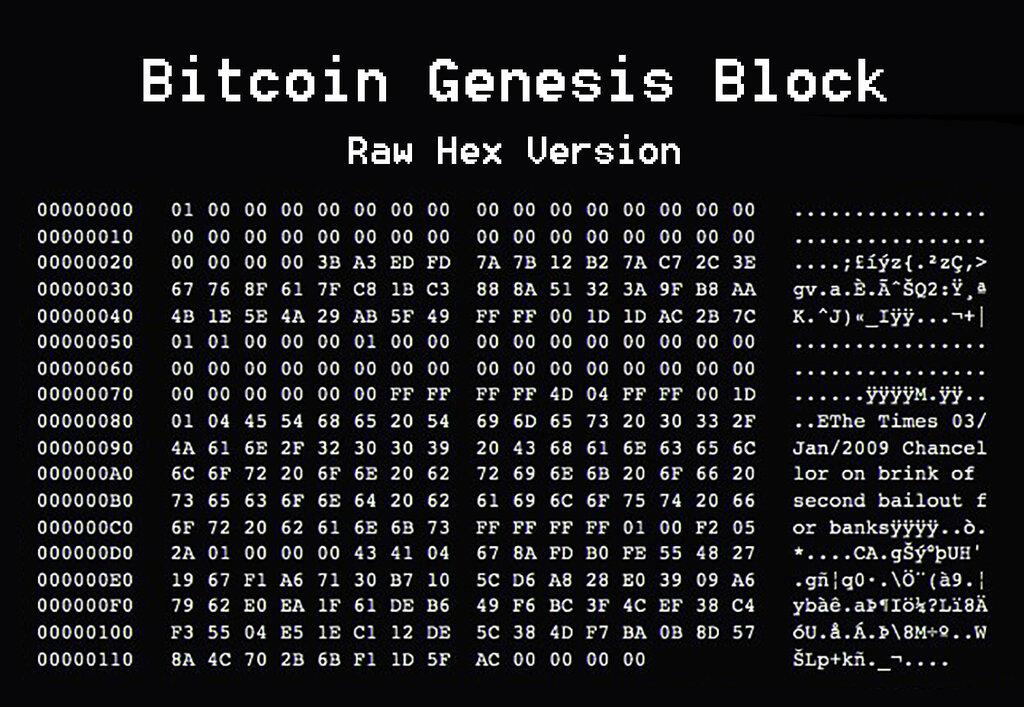
While blockchain technology became famous with Bitcoin, its conceptual roots go back to the early 1990s with work on cryptographically secured chains of blocks. However, it wasn't until 2008 that a person or group named Satoshi Nakamoto released the Bitcoin whitepaper. This was the first practical application of a blockchain, creating a decentralized digital currency.
Initially, blockchain was seen as just the technology behind Bitcoin. But developers soon realized its potential for much more. The creation of platforms like Ethereum introduced the idea of running programs called "smart contracts" on a blockchain, opening the door for applications in finance, supply chain management, voting systems, and more. The technology has evolved from a simple way to record currency transactions to a versatile platform for building decentralized applications.
Now, let's test your understanding of these core concepts.
What is the core principle that describes a blockchain's lack of a central controlling authority, like a bank or government?
The feature that makes it extremely difficult to alter or delete an entry once it has been added to the blockchain is known as ______.
This foundational knowledge sets the stage for understanding how blockchains maintain security and agreement across the network.