Blockchain Fundamentals Explained
Introduction to Blockchain
What Is a Blockchain?
At its heart, a blockchain is a special kind of digital notebook. Think of it as a ledger that is shared among many computers. Instead of one person or company controlling it, everyone in the network has a copy. This design makes it incredibly secure and difficult to cheat.
Its main purpose is to record transactions or any digital information in a way that is permanent and transparent.
While blockchain technology powers cryptocurrencies like Bitcoin, its potential goes much further. It offers a new way to store and manage data for almost any industry, from finance to healthcare to voting systems.
A Quick History
The idea of blockchain first gained widespread attention in 2008. A person or group using the name Satoshi Nakamoto published a paper called "Bitcoin: A Peer-to-Peer Electronic Cash System."
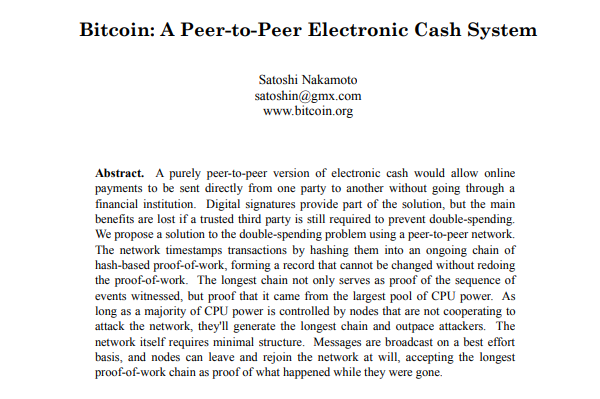
Nakamoto’s goal was to create a digital currency that could be sent directly between people without needing a bank or financial institution. The challenge was preventing someone from spending the same digital coin twice. Blockchain was the elegant solution.
Since then, the technology has evolved. Developers realized the core principles of blockchain could be used for much more than just digital cash. This led to a wave of innovation, creating platforms for everything from digital collectibles to secure supply chain tracking.
The Core Characteristics
Three key features make blockchain technology unique and powerful: decentralization, transparency, and immutability.
Decentralization
In a traditional system, data is stored in a central location, like a bank's server. This single point of control can be a weakness. If it fails or is compromised, the whole system is at risk.
A blockchain is decentralized. The ledger isn't held by one entity; instead, it's distributed across a network of computers. This means no single person or group can control it, making it more resilient and fair.
Transparency
On many blockchains, anyone can view the list of transactions. While the real-world identities of the participants are typically hidden behind digital addresses, the activity itself is open for audit.
This transparency builds trust. For example, in a charity, donors could see exactly where their money goes, verifying that it reached its intended destination.
Immutability
This is perhaps the most crucial feature. Immutability means that once data is recorded on the blockchain, it cannot be changed or deleted.
Transactions are grouped into "blocks." Each new block is cryptographically linked to the one before it, forming a secure chain. To alter a past transaction, you would have to alter that block and every single block that came after it, all while the rest of the network is adding new ones. This is practically impossible, which makes the ledger a permanent and trustworthy record.
These three characteristics work together to create a system for recording information that is secure, shared, and permanent. It's a foundational shift from how we've traditionally handled data.
What is a blockchain at its most fundamental level?
What does it mean for a blockchain to be "decentralized"?