Blockchain Fundamentals Explained
Introduction to Blockchain
What Is a Blockchain?
Imagine a shared digital notebook that anyone in a group can see. Every time someone adds a new entry, it's permanent. No one can erase or change what's been written before. This notebook isn't stored in one place; instead, everyone in the group has an identical copy. That's the basic idea behind a blockchain.
At its most basic level, a blockchain is a digital ledger maintained by a decentralized network of computers.
A blockchain is a special type of database, often called a distributed ledger. Its purpose is to create a secure and shared record of transactions or data without needing a central authority, like a bank or government, to verify everything. Instead of one organization controlling the records, the responsibility is shared among many participants in a network.

The name comes from its structure. Information is bundled into groups called "blocks." Each block is filled with a list of recent transactions and is then linked to the previous block. This creates a chronological chain of blocks, hence the name "blockchain."
The Core Characteristics
Three key properties make blockchains unique and powerful: they are decentralized, immutable, and transparent.
decentralization
noun
The transfer of control and decision-making from a centralized entity (individual, organization, or group thereof) to a distributed network.
In a traditional system, like your bank account, all your financial records are stored on the bank's central computers. The bank is in complete control. If their system goes down or is hacked, your data is at risk.
A blockchain works differently. The ledger is distributed across a network of computers around the world. Every participant, or "node," holds a copy of the entire ledger. This lack of a central point of control makes the system incredibly resilient and secure.
The next key feature is immutability. This is a fancy way of saying that once data is recorded on the blockchain, it cannot be changed or deleted. Each block is cryptographically linked to the one before it, forming a secure chain. Altering a block would require changing all subsequent blocks in the chain, an incredibly difficult task that would be immediately noticed by everyone else in the network.
Finally, blockchains are transparent. While the identities of participants can be anonymous, the transactions themselves are often public. Anyone on the network can view the ledger and verify its history. This transparency allows for auditing and builds trust among participants, as everyone is playing by the same rules.
Think of it this way: Decentralization distributes control, immutability protects the past, and transparency clarifies the present.
A Brief History
The ideas behind blockchain technology have been around since the early 1990s, when computer scientists Stuart Haber and W. Scott Stornetta worked on a system for securely timestamping digital documents to prove they hadn't been tampered with. Their work laid the cryptographic foundation for what would later become a blockchain.
However, the concept didn't gain widespread attention until 2008. A person or group using the pseudonym Satoshi Nakamoto published a whitepaper titled "Bitcoin: A Peer-to-Peer Electronic Cash System." This paper described a new form of digital money that didn't rely on banks. The underlying technology that made Bitcoin possible was the first real-world application of a blockchain.
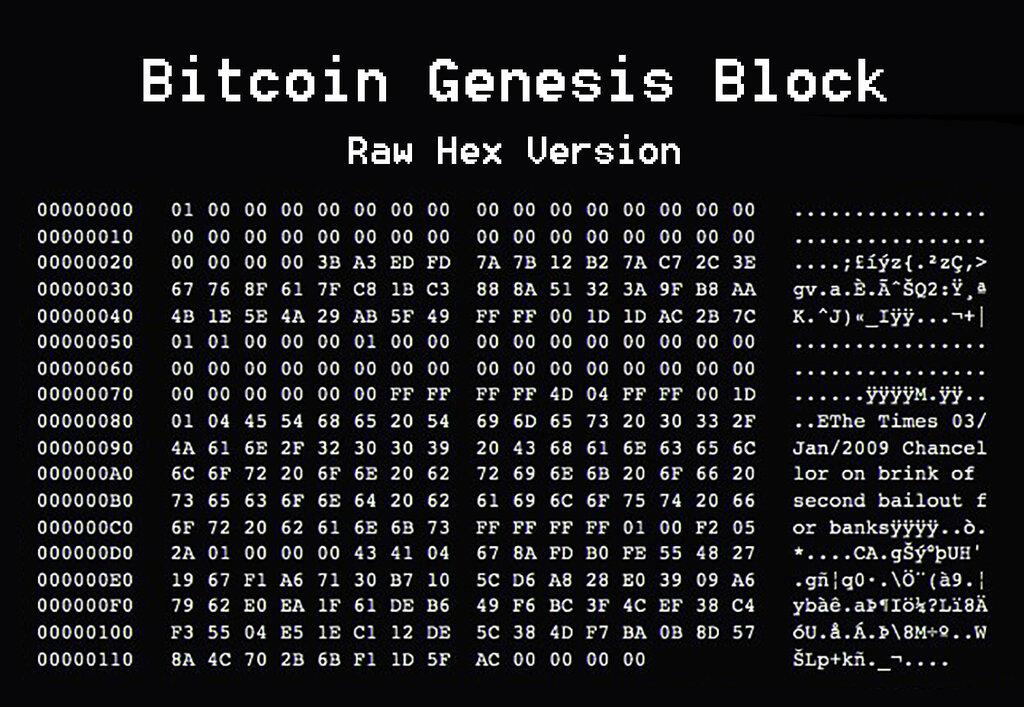
Initially, blockchain technology was almost exclusively associated with Bitcoin and other cryptocurrencies. But over the next decade, developers and innovators realized that the technology's potential extended far beyond digital cash. They saw its value as a secure and transparent way to record and verify any kind of data, from supply chain information to voting records and digital identities.
Now, let's test your understanding of these core concepts.
Which of the following best describes what it means for a blockchain to be 'decentralized'?
The term 'immutability' means that once data is recorded on the blockchain, it cannot be easily changed or deleted.
This foundational understanding of what a blockchain is, its core principles, and where it came from is the first step in exploring its broader impact.