Blockchain Fundamentals Explained
Introduction to Blockchain
What Is a Blockchain?
At its heart, a blockchain is a digital record book, much like a ledger you might use to track expenses. But instead of being stored in one place, like a single notebook or a bank's central computer, this ledger is shared among many computers in a network. This makes it a distributed ledger.
Think of it as a shared digital document that everyone in a group can see. When someone adds a new entry, it appears for everyone, and once it's there, it's permanent.
The name "blockchain" describes its structure perfectly. Information is bundled into groups called blocks. Each block contains a set of records, like transactions. Once a block is full, it's added to the end of a chain of previous blocks. This creates a chronological, unbreakable chain of information.
The Power of Decentralization
Most systems we use every day are centralized. A bank holds the master ledger of all its customers' accounts. A social media company stores all user data on its servers. A central authority is in control, which means it is also a single point of failure or attack.
Blockchain technology turns this model on its head. Instead of one central copy of the ledger, every participant (or "node") in the network keeps their own identical copy. This is what we mean by decentralization.
When a new transaction occurs, it's broadcast to the entire network. The nodes work together to verify that the transaction is valid before adding it to their copy of the ledger. This consensus makes the system incredibly secure and transparent. To alter a record, a bad actor would need to overpower and change the ledger on thousands of computers at once, which is practically impossible.
This structure creates a system that doesn't need a middleman. Transactions can happen directly between two parties because the trust is built into the network itself, not provided by a third party like a bank.
A Brief History
While blockchain became famous with the rise of Bitcoin, the ideas behind it are older. In the early 1990s, computer scientists Stuart Haber and W. Scott Stornetta worked on a system for timestamping digital documents to prove they hadn't been tampered with. Their work involved linking documents together chronologically, creating a primitive version of a blockchain.
But the technology didn't take off until 2008. A person or group using the pseudonym Satoshi Nakamoto published a white paper called "Bitcoin: A Peer-to-Peer Electronic Cash System." This paper outlined a new kind of digital money that could be sent directly between people without needing a financial institution. The underlying technology that made this possible was the blockchain.
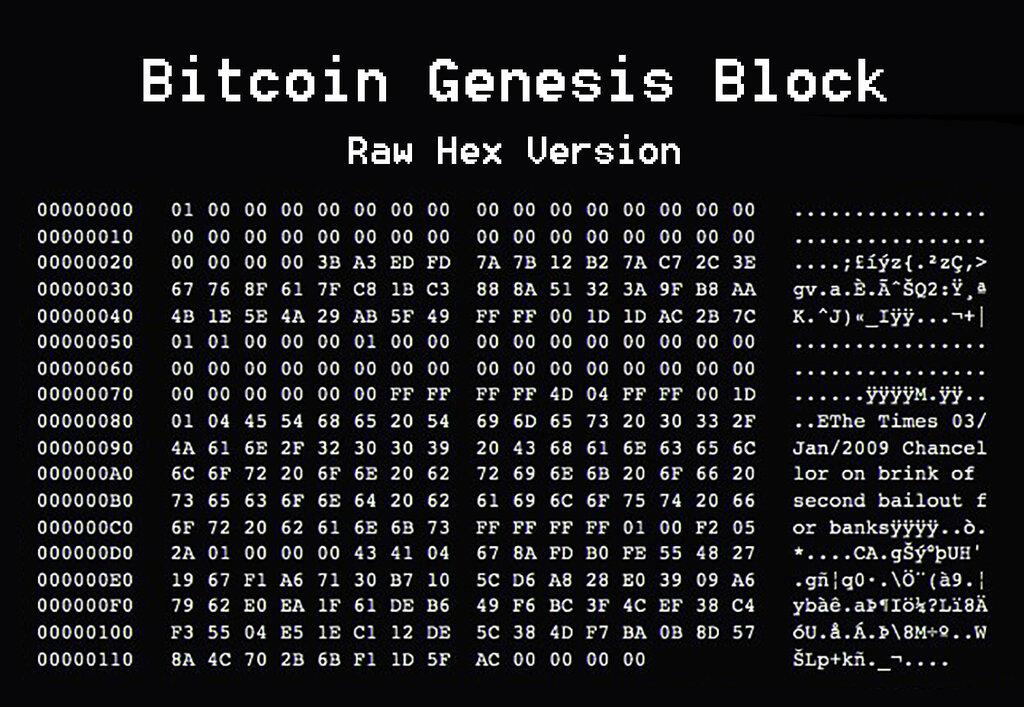
Nakamoto’s innovation was combining existing ideas into a functional, decentralized system. The Bitcoin blockchain was launched in January 2009, and it has been running continuously ever since. Initially, it was a niche interest for cryptographers and tech enthusiasts. But as Bitcoin grew, people began to realize that the blockchain technology powering it could be used for much more than just digital currency.
This realization sparked a wave of innovation, leading to the development of new blockchains and a wider exploration of how this distributed ledger technology could transform industries.
What is the primary characteristic that defines a blockchain?
In the context of blockchain, what is a 'node'?
You've now learned the basics of what a blockchain is, how it's structured, and where it came from. The core ideas are the block, the chain, and the decentralized network that maintains it.