Blockchain Fundamentals Explained
Introduction to Blockchain
What Is a Blockchain?
Imagine a shared digital notebook. Every time someone adds a new page, a copy of that page is given to everyone in the group. No single person owns the notebook, and because everyone has a copy, it’s easy to agree on what’s written inside. This is the basic idea behind a blockchain.
At its most basic level, a blockchain is a digital ledger maintained by a decentralized network of computers.
A blockchain is a special type of database, or ledger, that stores information in chunks called blocks. Each new block is linked to the one before it, creating a chronological chain. This structure is designed to record transactions or any digital interaction in a way that is secure, transparent, and permanent.
Ledger
noun
A book or other collection of financial accounts of a particular type.
The main purpose of a blockchain is to allow people, especially those who don't know or trust each other, to share valuable data in a secure, tamper-proof way. It removes the need for a central authority, like a bank or government, to act as a middleman. This opens up new ways for people to interact and transact directly with one another.
The Core Characteristics
Four key properties make blockchain technology unique and powerful: decentralization, transparency, immutability, and security. Let's break down what each one means.
Decentralization: No single person or entity is in charge.
In a traditional, centralized system, all data is stored on a central server. If that server goes down or is compromised, the entire system is at risk. A bank's database is a good example; only the bank controls it.
A blockchain is decentralized. The ledger is distributed across a peer-to-peer network of computers, often called nodes. Each node has a full copy of the ledger. This means there's no single point of failure. To take down the network, you'd have to attack thousands of computers simultaneously.
Transparency: The records are visible to participants.
Most blockchains are transparent, meaning that anyone participating in the network can view the entire transaction history. This doesn't necessarily mean your personal identity is revealed. On many blockchains, users are represented by a public address, which is a string of characters. So, while you can see that address A sent 1 Bitcoin to address B, you don't know who owns those addresses. It's more pseudonymous than anonymous.
Immutability: Once a record is added, it cannot be changed.
The word immutable means unchangeable. Once a block is added to the chain, it's there for good. Each block contains the data for new transactions, as well as a unique cryptographic fingerprint, called a hash, of the block before it. This hash links the blocks together, creating a secure chain.
If someone tried to alter the data in a past block, it would change that block's hash. This would break the link to the next block, and all subsequent blocks would become invalid. The rest of the network would immediately see the discrepancy and reject the change. This makes a blockchain's history virtually impossible to tamper with.
Security: The system is protected by its design.
The security of a blockchain comes from the combination of these features. Decentralization means there is no central point to attack. Immutability, enforced by cryptographic hashing, ensures the integrity of the data. And because the ledger is transparent, all participants can verify the transactions for themselves, creating a system built on collective trust and verification.
A Brief History
While blockchain became famous with the rise of Bitcoin, its conceptual roots go back further. In 1991, researchers Stuart Haber and W. Scott Stornetta described a method for time-stamping digital documents to prove they hadn't been tampered with. They envisioned a cryptographically secured chain of blocks—a foundational idea for what we now call blockchain.
However, the technology remained niche until 2008. That year, a person or group using the pseudonym Satoshi Nakamoto published a whitepaper titled "Bitcoin: A Peer-to-Peer Electronic Cash System." This paper outlined the first practical implementation of a blockchain, designed to power a decentralized digital currency.
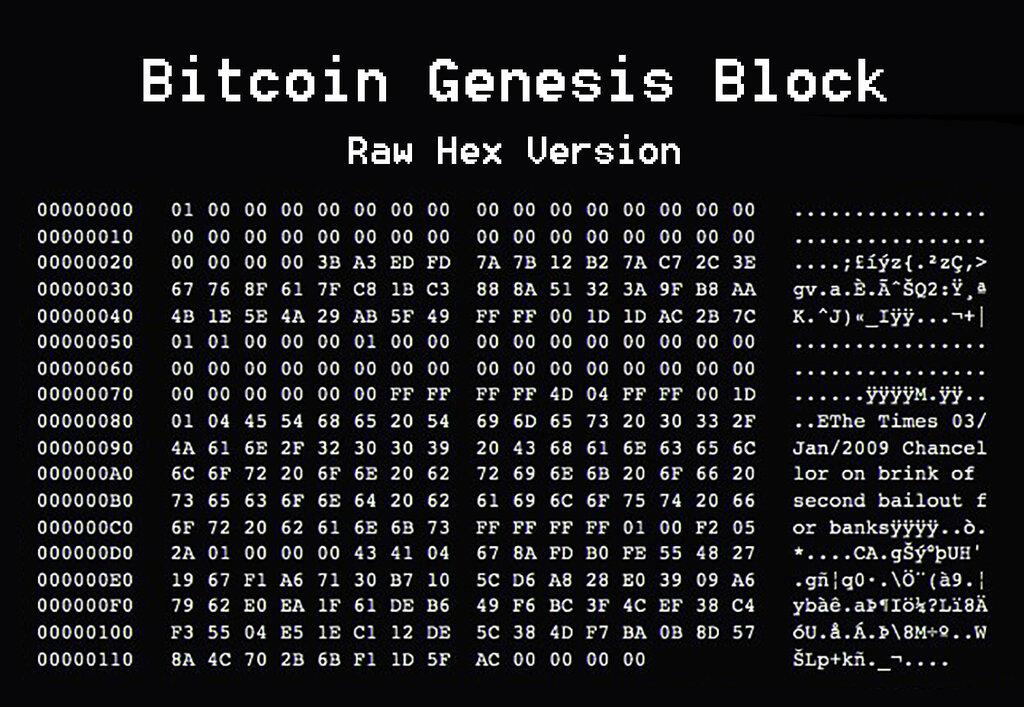
The creation of Bitcoin showed the world that a secure, decentralized system for transferring value was possible. For the first few years, blockchain technology was almost exclusively associated with cryptocurrencies.
But developers soon realized the underlying technology could be used for much more. In 2015, the launch of Ethereum, a new blockchain platform, introduced the concept of "smart contracts." These are self-executing contracts with the terms of the agreement directly written into code. This innovation marked a major step in the evolution of blockchain, expanding its potential far beyond just digital money.
Now, you have a solid grasp of what a blockchain is, its core principles, and how it came to be. This foundation is key to understanding its broader potential.