Blockchain Fundamentals Explained
Introduction to Blockchain
What Is a Blockchain?
At its heart, a blockchain is a special kind of digital notebook. Think of it as a shared ledger that's duplicated and spread across a network of computers. When a new entry, or "block," is added, it's linked to the previous one, creating a chain. This structure makes the information incredibly difficult to change once it's been recorded.
The main purpose of blockchain is to allow digital information to be recorded and distributed, but not edited. It's a foundation for a new kind of internet, one built on trust and transparency.
Ledger
noun
A book or other collection of financial accounts of a particular type.
No One in Charge
One of the most important ideas behind blockchain is decentralization. Most systems we use today are centralized. For example, a bank controls your financial ledger, and a social media company controls the database of posts and user information. If that central authority is compromised, so is your data.
Blockchain works differently. There is no single person, company, or government in control. Instead, the network is maintained by all the participants. This is what we mean by a decentralized or distributed ledger. Every participant on the network has a copy of the same ledger. When a new transaction happens, everyone's notebook gets updated.
This setup creates a system that is both transparent and secure. To cheat the system, you wouldn't just need to alter your own copy of the ledger. You'd have to alter the majority of copies on the network simultaneously, which is practically impossible.
Where Did It Come From?
The idea of blockchain was introduced in 2008 by a person or group of people known only by the pseudonym Satoshi Nakamoto. Nakamoto published a white paper detailing a new electronic cash system called Bitcoin. This was the first application of blockchain technology.
The timing was significant. It came right after the 2008 financial crisis, a time when trust in traditional financial institutions was at a low point. Bitcoin offered a way to exchange value directly between people, without needing a bank as a middleman.
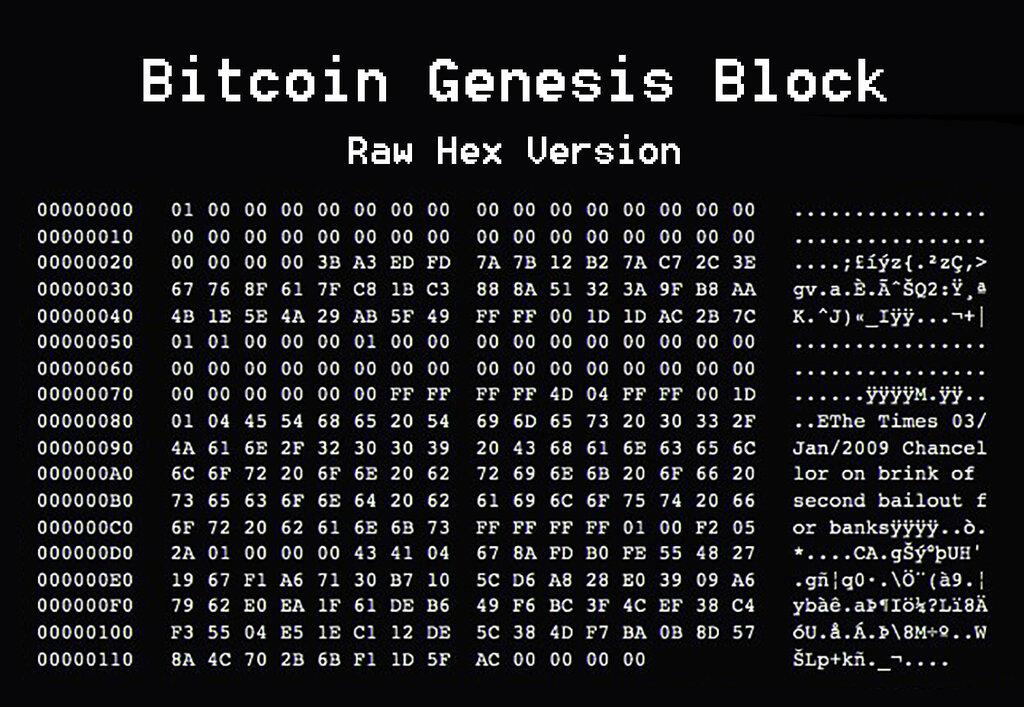
While it started with Bitcoin, people quickly realized the technology could be used for much more than just digital currency. The idea of a secure, decentralized record-keeping system has applications in countless fields.
Why It Matters Today
Blockchain's significance lies in its ability to build trust in a digital world. By removing the need for intermediaries, it can make processes more efficient, transparent, and secure.
Think about tracking a product from a farm to your grocery store. A blockchain could record every step of that journey, ensuring the food is authentic and safe. It could be used to create secure and transparent voting systems, or to manage digital identities and ownership of assets like art and music.
While still a developing technology, its potential to reshape industries is enormous. It represents a fundamental shift in how we store, share, and verify information online.
Ready to check your understanding? Let's review the key concepts.
What is the primary characteristic that distinguishes a blockchain from a traditional database, such as one used by a bank?
The white paper for Bitcoin, the first application of blockchain, was released in 2008 by a person or group known as Satoshi Nakamoto.
Understanding these core ideas is the first step to seeing how this technology is changing the digital landscape.