Blockchain Fundamentals Explained
Introduction to Blockchain
What Is a Blockchain?
Imagine a shared digital notebook that a whole group of people can use. Every time someone adds a new entry, it's visible to everyone else. No single person owns or controls this notebook. Instead, everyone in the group has their own identical copy. This shared notebook is the basic idea behind a blockchain.
At its most basic level, a blockchain is a digital ledger maintained by a decentralized network of computers.
Let's break that down. A ledger is simply a record of transactions. Traditionally, a central authority, like a bank, maintains the ledger. If you send money to a friend, the bank updates its private records to show the change. You trust the bank to keep the ledger accurate and secure.
Blockchain turns this model on its head. The ledger isn't private or controlled by one entity. It's distributed, meaning identical copies are held by many different computers in a network. It's decentralized, meaning there's no central boss. The network itself validates every transaction.
These entries, or transactions, are grouped into 'blocks'. Each new block is cryptographically linked to the one before it, creating a chain. This structure makes the ledger incredibly secure. To change a past transaction, you would have to alter that block and every single block that came after it, across a majority of the computers in the network. This is practically impossible, making the record permanent and unchangeable, or immutable.
A Brief History
The ideas behind blockchain have been around since the early 1990s, but they came together in 2008. A person or group using the pseudonym Satoshi Nakamoto published a paper outlining a system for a digital currency called Bitcoin. This system used a blockchain to solve a critical problem with digital money: double-spending.
With a physical dollar, you can't spend the same bill twice. Once you give it to someone, it's gone. But with digital information, making a copy is easy. Before blockchain, a central authority like a bank was needed to verify that you hadn't already spent the same digital money elsewhere.
Nakamoto's blockchain provided a decentralized way to do this. By having a shared, public ledger, everyone in the network could verify that a transaction was valid and that the funds hadn't been spent before. This eliminated the need for a trusted middleman.
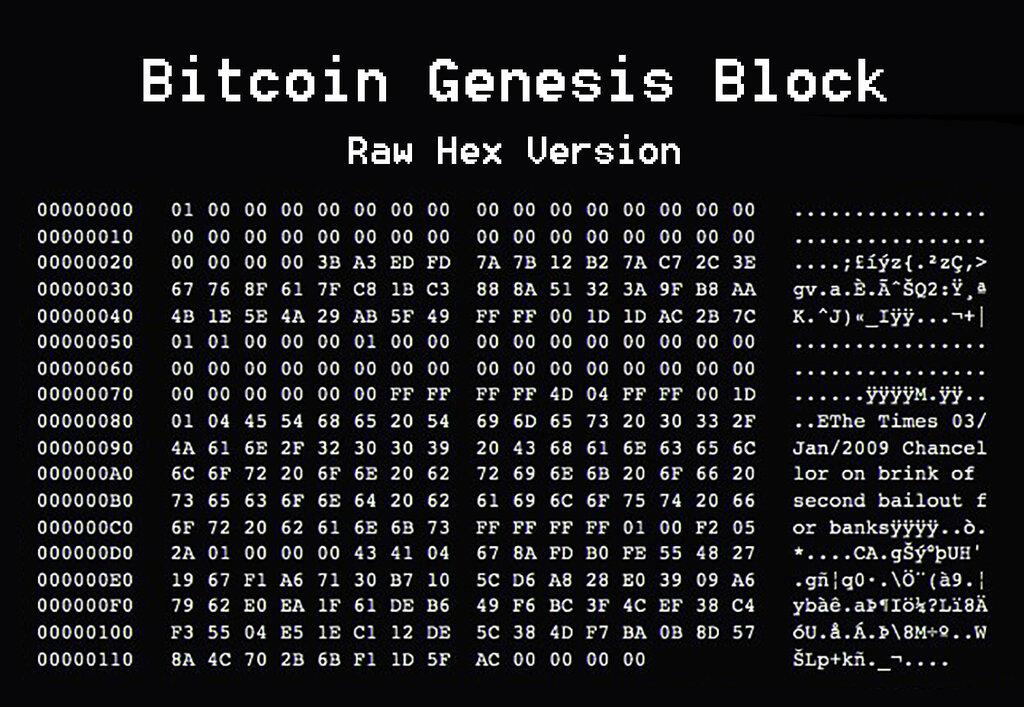
While it was created for Bitcoin, people quickly realized the technology could be used for much more than just currency. A blockchain can securely record any kind of digital information, from medical records and voting results to property titles and supply chain details. Its ability to create trust and transparency without a central authority is what makes it so revolutionary.
What is the primary function of a central authority, like a bank, in a traditional ledger system?
In the context of blockchain, what does the term 'immutable' mean?
That's the core concept of a blockchain: a secure, shared, and permanent record book managed by a community instead of a single company.