Blockchain Fundamentals Explained
Introduction to Blockchain
What Is a Blockchain?
Imagine a shared digital notebook that an entire group of people can use. Every time someone adds a new page, it’s instantly copied and distributed to everyone in the group. No single person owns the notebook, and once a page is added, it can never be removed or changed. Everyone has the same, complete version of the notebook at all times.
That's the basic idea behind a blockchain. It’s a special type of database, often called a digital ledger, that stores information in a secure, transparent, and permanent way.
At its most basic level, a blockchain is a digital ledger maintained by a decentralized network of computers.
Instead of being stored in one central place, like a bank's server, the ledger is copied across many computers. This distribution is what makes it so resilient. The main purpose is to allow people to record transactions and share data without needing a trusted middleman, like a bank or government, to verify everything.
The Core Ingredients
Three key characteristics give blockchain its unique power: decentralization, transparency, and security.
Decentralization
noun
The transfer of control and decision-making from a centralized entity (individual, organization, or group thereof) to a distributed network.
Traditional systems are centralized. A bank, for example, holds its financial records on a private server. They control the ledger. If that server gets hacked or goes down, the system fails. A blockchain works differently. It distributes identical copies of the ledger across a network of computers. No single person or entity is in charge. To make a change, the majority of the network must agree on it, making it far more democratic and robust.
Next is transparency. Because many people on the network have a copy of the ledger, they can see the transactions that have been recorded. This doesn't mean your personal identity is exposed. On most blockchains, users are represented by a cryptographic address, offering a layer of pseudonymity. The important part is that the history of transactions is open for anyone on the network to see and verify. This creates a high level of trust and accountability.
Finally, security is built in. Information is recorded in groups called "blocks." Each new block is cryptographically linked to the one before it, forming a chain. This link isn't just a simple connection; it's a mathematical puzzle that secures the data. If a hacker wanted to alter a transaction in an old block, they would have to change that block and every single block that came after it across the entire network. This task is practically impossible, making the ledger effectively permanent and tamper-proof. This is why a blockchain is often called an immutable ledger.
A Brief History
The ideas behind blockchain have been around since the early 1990s, when computer scientists Stuart Haber and W. Scott Stornetta worked on a system for timestamping digital documents to prove they hadn't been tampered with. Their work laid the cryptographic foundation for what would later become a blockchain.
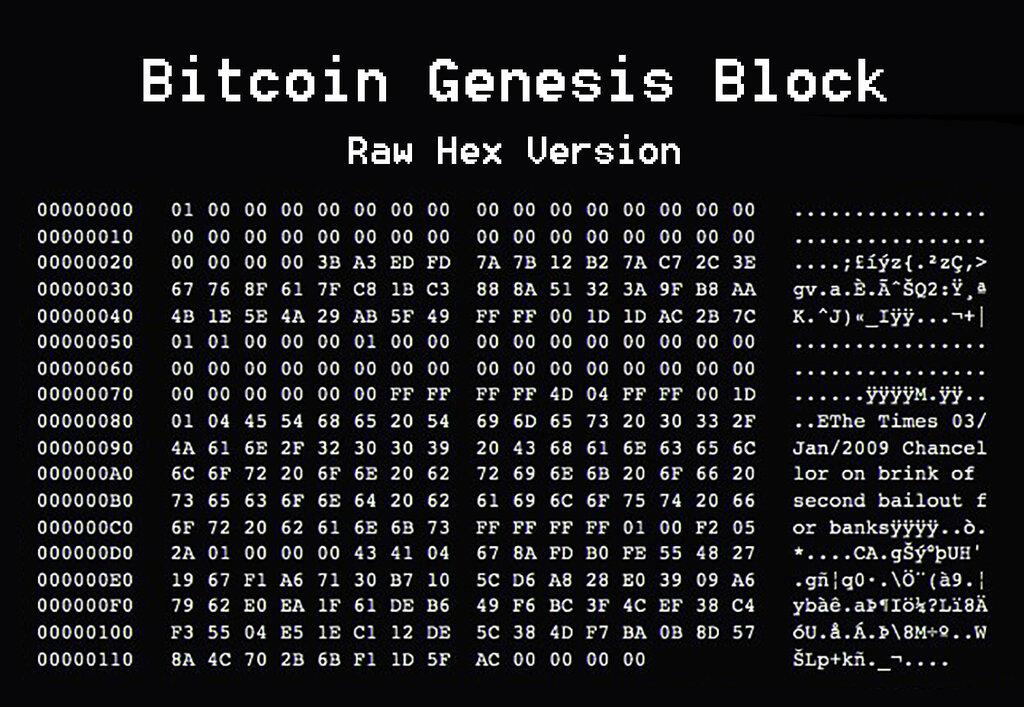
However, the technology didn't take off until 2008. An anonymous person or group named Satoshi Nakamoto published a paper called "Bitcoin: A Peer-to-Peer Electronic Cash System." This paper combined earlier ideas with a new system to create a decentralized digital currency. The first block of the Bitcoin blockchain, known as the "Genesis Block," was created in January 2009.
While blockchain was created to support Bitcoin, people soon realized the technology could be used for much more. It provided a way to create trust and agreement between people who don't know each other, without needing a third party. This insight opened the door to solving problems in many different industries.
What Problems Can It Solve?
At its core, blockchain technology is a solution to the problem of trust in a digital world. It addresses several key challenges that traditional, centralized systems face.
One major issue is the reliance on intermediaries. When you send money, buy a house, or even cast a vote, you usually rely on a third party like a bank, lawyer, or government to manage the process. These intermediaries can be slow, costly, and vulnerable to corruption or error.
Blockchain offers a way to perform these actions directly between people (peer-to-peer) securely. This could make financial transactions faster and cheaper, especially across borders. It could also create more transparent and efficient supply chains, allowing you to track a product from its origin to the store shelf.
By removing the need for a central authority, blockchain reduces the risk of fraud, censorship, and manipulation. It shifts the control of information from a single entity to a collective network.
Another problem is data integrity. In centralized systems, a single hacker or a dishonest employee can alter important records. On a blockchain, records are immutable. This feature is valuable for things like land titles, medical records, or academic credentials, where proving authenticity is critical. It provides a single, shared source of truth that everyone can rely on.
Now you have a grasp of the fundamental concepts. Let's test your knowledge.