Blockchain Fundamentals
Introduction to Blockchain
What is a Blockchain?
Imagine a shared digital notebook that's duplicated and spread across a network of computers. Every time a new entry is made, it's added to every single copy of the notebook. This is the basic idea behind a blockchain. It’s a special kind of database for storing information.
At its most basic level, a blockchain is a digital ledger maintained by a decentralized network of computers.
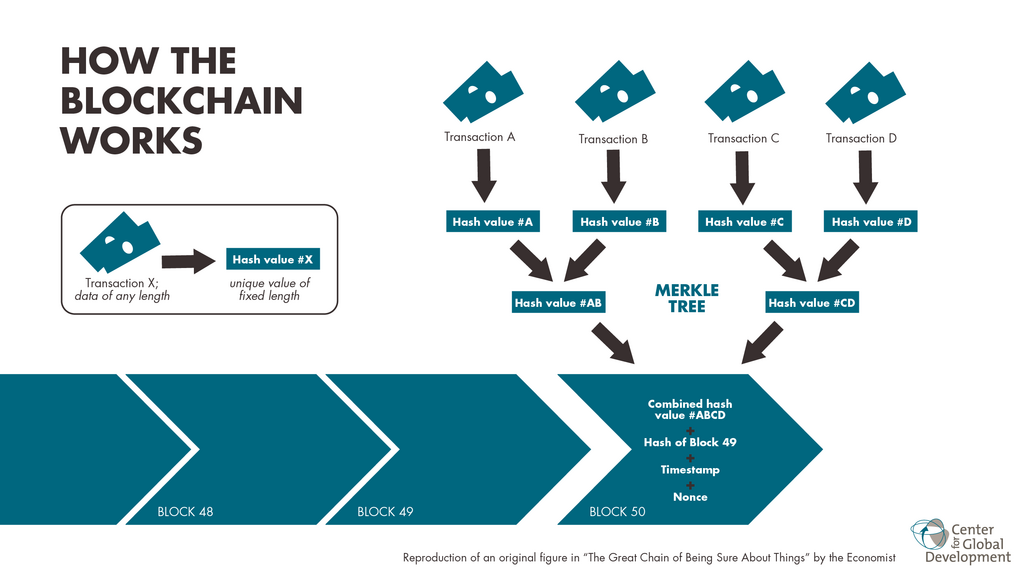
The name itself gives us a clue about how it works. Information is grouped together into 'blocks'. Each block is like a page in our notebook, containing a list of transactions or other data. When a block is full, it's linked to the previous one, forming a 'chain'. This creates a continuous, chronological record of every entry ever made.
The main purpose is to record this information in a way that is secure, permanent, and transparent. Once a block is added to the chain, it's incredibly difficult to change or remove, creating a trustworthy and unalterable record.
The Core Ingredients
Three key characteristics make blockchains different from traditional databases: decentralization, transparency, and security.
Decentralization: No single person or entity is in charge. Instead of a central server (like a bank's), the database is shared among all participants in the network. This means there is no single point of failure. If one computer goes offline, the network keeps running.
Transparency: While the real identities of participants are often hidden behind digital addresses, the transactions themselves are typically public. Anyone on the network can see the entries that have been recorded on the chain. It’s like a public record book that is open for inspection.
Security & Immutability: This is perhaps the most powerful feature. Once a block is added to the chain, it is linked to the block before it using a unique digital fingerprint. Changing the information in a block would change its fingerprint, which would break the link to the next block. To alter a record, you would have to alter every single block that comes after it, across the majority of computers on the network—a task that is practically impossible. This makes the ledger immutable, or unchangeable.
A Brief History
The ideas behind blockchain technology have been around since the early 1990s. Computer scientists Stuart Haber and W. Scott Stornetta first worked on a system for securely timestamping digital documents to prove they hadn't been tampered with. It was a chain of cryptographically secured blocks, much like a modern blockchain.
However, the technology didn't find a famous application until 2008. A person or group using the pseudonym Satoshi Nakamoto released a paper outlining a digital currency called Bitcoin. Nakamoto’s innovation was to combine the block and chain concept with a peer-to-peer network to create a system for transactions that didn't require trust in a third party like a bank.
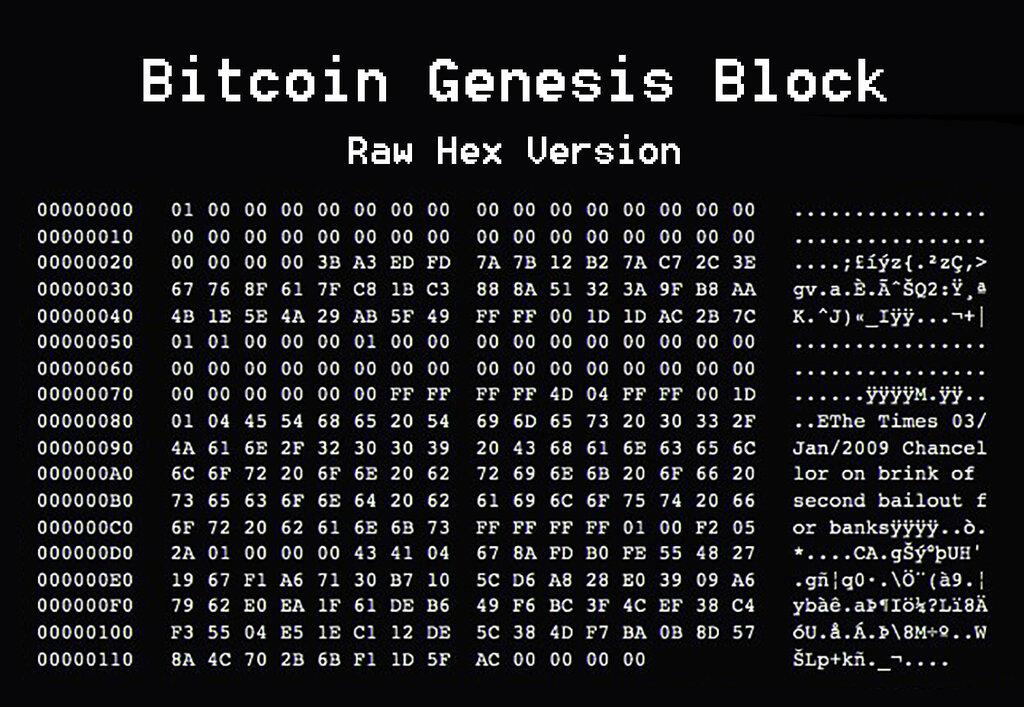
This first blockchain solved a major problem in digital currency: the 'double-spending' problem. Before blockchain, it was hard to prevent someone from spending the same digital money twice without a central authority to verify every transaction. Blockchain's distributed ledger made it possible for the network itself to confirm that each transaction was valid and happened only once.
What Problems Can It Solve?
At its core, blockchain technology is about creating trust in situations where it's lacking. It addresses the need for a reliable and shared source of truth without relying on a middleman.
Think about transferring money internationally. This process often involves multiple banks, conversion fees, and can take days. Each bank maintains its own private ledger, and they have to coordinate to make the transfer happen. With a shared ledger system like a blockchain, the transaction could be faster, cheaper, and more transparent because everyone is looking at the same records.
This principle applies to many other areas. Consider tracking goods in a supply chain, verifying ownership of digital art, or managing voting records. In each case, blockchain offers a way to create a secure, transparent, and shared record that is not controlled by any single entity.
Ready to check your understanding?
What is the fundamental structure of a blockchain?
Why is the information on a blockchain considered immutable or unchangeable?
Blockchain is a foundational technology with the potential to reshape many industries by providing a new way to record and verify information.