Blockchain Fundamentals
Introduction to Blockchain
What Is a Blockchain?
Think of a blockchain as a special kind of digital notebook. Unlike a regular notebook that one person owns and can edit, this one is shared among many people. Whenever someone adds a new entry, everyone gets the updated copy. This makes it incredibly transparent and difficult to tamper with.
At its most basic level, a blockchain is a digital ledger maintained by a decentralized network of computers.
The main purpose of this technology is to record information—transactions, contracts, or any other kind of data—in a secure and permanent way. Once something is written into the notebook, it's practically impossible to change or remove it without everyone noticing. This creates a trustworthy record without needing a central authority, like a bank or government, to verify everything.
Blocks and Chains
The name “blockchain” tells you exactly how it works. Data is grouped together into bundles called blocks. Each block can only hold a certain amount of information. When it's full, it needs to be added to the notebook.
A block is like a page in our digital notebook, containing a list of recent entries.
Once a new block is ready, it's linked to the previous one, creating a chain. This linking is what makes a blockchain so secure. Each block contains a unique signature from the block before it. If someone tried to alter an old block, its signature would change, breaking the link to all the blocks that came after it. The whole chain would become invalid, and the network would immediately reject the change.
The Power of Decentralization
Most systems we use today are centralized. A bank, for example, stores all your financial records on its private servers. You have to trust the bank to keep that information safe and accurate. If their servers go down or are hacked, your data is at risk. A centralized system has a single point of failure.
decentralization
noun
The transfer of control and decision-making from a centralized entity (individual, organization, or group thereof) to a distributed network.
A blockchain is different because it’s decentralized. Instead of one person or company holding the notebook, a copy is distributed to every computer on the network. There is no central server to hack or single point of failure.
This has a huge impact. To cheat the system, you would need to alter a block and then convince the majority of the computers on the network that your altered version is the correct one. This is practically impossible on a large, public blockchain, making it incredibly secure and trustworthy.
A Brief History
While blockchain became famous with the rise of Bitcoin, the core ideas are older. In 1991, researchers Stuart Haber and W. Scott Stornetta imagined a way to timestamp digital documents to prevent tampering. They created a system where documents were linked together in a cryptographically secured chain—the first real-world example of a blockchain.
However, the technology didn't take off until 2008. An anonymous person or group known as Satoshi Nakamoto published a paper called “Bitcoin: A Peer-to-Peer Electronic Cash System.” This paper outlined the first decentralized digital currency, using blockchain as its underlying technology. This was the first time all the pieces—the blocks, the chain, and a decentralized network—came together to create something new.
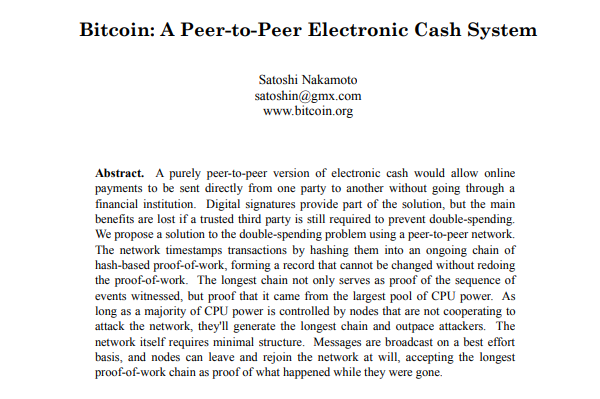
Nakamoto’s invention showed the world that a secure and reliable system could exist without a central authority. Initially, blockchain was seen only as the technology that powered Bitcoin. But people soon realized its potential for much more, leading to an explosion of interest and development that continues today.
What is the primary purpose of a blockchain?
In a blockchain, what happens if someone tries to alter the data in a previous block?