Blockchain Fundamentals
Introduction to Blockchain
What Is a Blockchain?
Imagine a digital notebook shared among many people. Every time someone adds a new page, everyone gets an identical copy. This notebook is a special kind: once a page is filled and added, it can never be erased or changed. This is the basic idea behind a blockchain.
blockchain
noun
A digital ledger of transactions that is duplicated and distributed across an entire network of computer systems.
The name comes from its structure. Information is gathered into groups, called blocks. Each block has a limited storage capacity. When a block is filled, it's closed and linked to the previously filled block, forming a chain of data. All new information that follows is compiled into a newly formed block that will then also be added to the chain once filled.
The Power of Decentralization
Traditional records are usually centralized. Think of a bank. It holds all your transaction data in its private ledger. You trust the bank to keep it safe and accurate. If the bank's records are wiped out, your information is gone.
A blockchain works differently. It uses a distributed ledger. Instead of one central copy, every participant in the network has a full copy of the ledger. When a new block is added, the ledger is updated across every single copy.
This decentralization means there is no single point of failure. The system is incredibly robust because the record exists in thousands of places at once.
If someone tries to tamper with a transaction, they would have to alter the block on their own copy of the ledger. But their copy would no longer match everyone else's. The network would reject the fraudulent version, preserving the integrity of the record. This structure removes the need for a central authority, like a bank, to validate transactions.
Can't Change the Past
Two of the most important features of blockchain are transparency and immutability.
Transparency means that on public blockchains, anyone can view the transaction history. You can't see personal identities, but you can see that a transaction occurred between two addresses at a specific time.
Immutability means that once data is recorded on the blockchain, it cannot be changed or deleted. Each block is cryptographically linked to the one before it. Altering one block would break the chain, and the network would immediately know something was wrong. This makes the ledger permanent and tamper-proof.
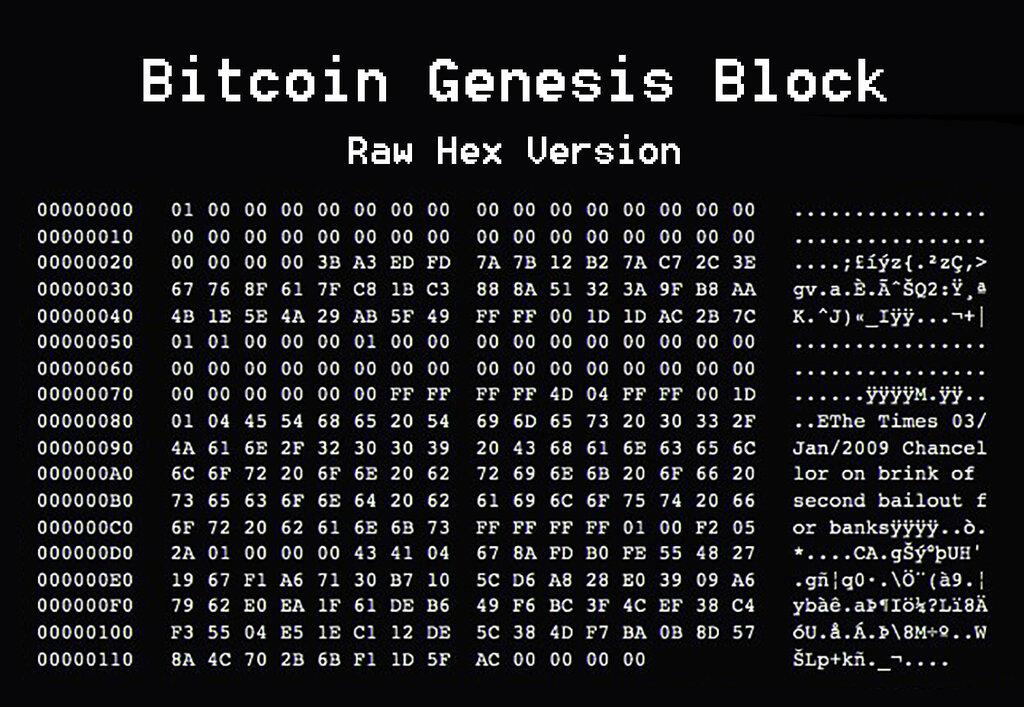
The first block ever created on the Bitcoin blockchain is known as the Genesis Block. It serves as the foundation for every other block that has come after it. Created in 2009, it's a perfect example of immutability, permanently stored as the anchor of the entire chain.
While the technology first gained fame for powering cryptocurrencies like Bitcoin, its potential has grown far beyond that. The core idea of a secure, decentralized, and permanent record has sparked innovation in countless industries. The journey started with digital money, but the evolution of blockchain is still just beginning.
Ready to check your understanding?
What is the fundamental structure of a blockchain?
What does it mean for a blockchain to use a 'distributed ledger'?
Now that you understand the core concepts of what a blockchain is and how it works, you're ready to explore its more advanced features.