Blockchain Fundamentals
Introduction to Blockchain
What Is a Blockchain?
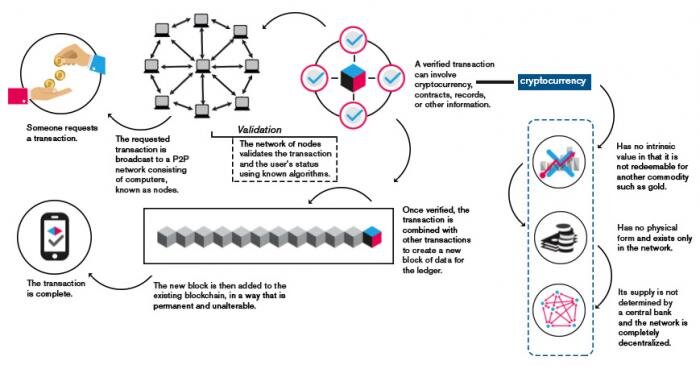
At its core, a blockchain is a special kind of digital ledger. Think of it like a notebook that's shared among a huge group of people. Whenever someone wants to add a new entry, they announce it to everyone. The group collectively verifies the entry, and once they agree it's valid, it's added to the notebook as a permanent record. Everyone gets an updated copy.
At its most basic level, a blockchain is a digital ledger maintained by a decentralized network of computers.
This ledger is made up of a growing list of records, called "blocks." Each block is linked to the one before it using cryptography, forming a chain. This structure is what gives a blockchain its name.
The main purpose of this technology is to allow two parties to exchange something of value without needing a trusted middleman, like a bank or a government. It creates a secure and reliable record of transactions directly between people.
The Core Features
Three key characteristics make blockchain technology unique and powerful: decentralization, immutability, and transparency.
Decentralization: Instead of being stored in one central place (like a bank's server), the blockchain ledger is copied and spread across a network of computers. No single person or organization has control. This distribution makes the system incredibly resilient. To take down the network, you'd have to attack thousands of computers at once.
Immutability: Once a transaction is recorded in a block and added to the chain, it's permanent. The cryptographic links between blocks mean that altering any information would require changing all subsequent blocks, an almost impossible feat. This makes the ledger tamper-proof.
The immutability of the blockchain’s transactions is one of its defining characteristics.
Transparency: While participants' identities can be anonymous, the transactions themselves are often visible to anyone on the network. This shared visibility means everyone can trust the ledger because they can see and verify the same information. It brings a high level of accountability to the system.
A Brief History
The ideas behind blockchain technology aren't entirely new. The concept of a cryptographically secured chain of blocks was first described in 1991 by researchers Stuart Haber and W. Scott Stornetta. They wanted to create a system where digital document timestamps couldn't be tampered with.
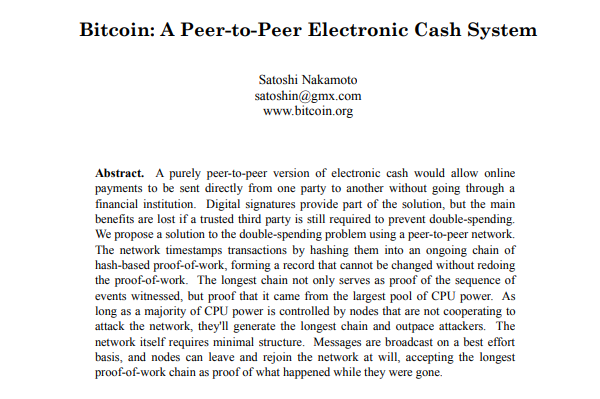
However, blockchain remained a niche academic concept until 2008. That year, a person or group using the pseudonym Satoshi Nakamoto published a white paper called "Bitcoin: A Peer-to-Peer Electronic Cash System." This paper outlined a new form of digital money that used a blockchain to function without a central bank.
The first blockchain was brought to life in 2009 as the public ledger for all Bitcoin transactions. This was the technology's big debut on the world stage.
Initially, blockchain was synonymous with Bitcoin. But over time, developers and innovators realized that the underlying ledger technology could be separated from the currency. They saw its potential for recording all sorts of data, not just financial transactions. This realization sparked the evolution of blockchain into a versatile tool for various applications far beyond cryptocurrency.
Ready to test your knowledge?
At its most basic level, a blockchain is best described as a...
What is a primary goal of blockchain technology?
By providing a decentralized, secure, and transparent way to record information, blockchain offers a new model for how we can interact and transact with each other digitally.