Blockchain Fundamentals
Introduction to Blockchain
What Is a Blockchain?
Think of a blockchain as a special kind of digital notebook. It's a ledger, a place to record information, but with a few twists. This notebook isn't stored in one place or owned by one person. Instead, an identical copy is shared among many different computers all over the world.
At its most basic level, a blockchain is a digital ledger maintained by a decentralized network of computers.
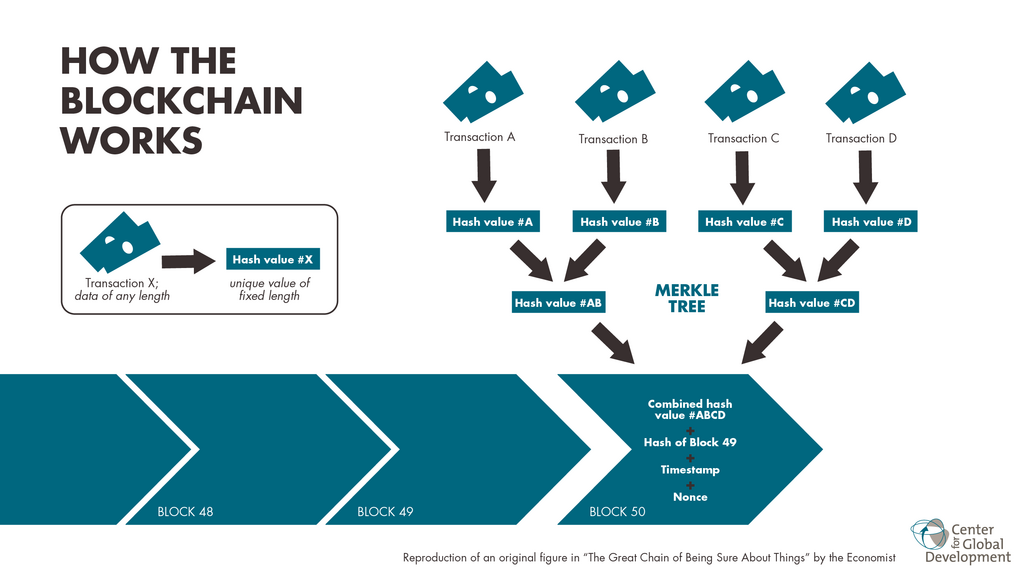
When new information, or a "transaction," needs to be added, it's bundled together with other recent transactions into a package called a "block." This block is then checked and approved by the network of computers. Once approved, it's added to the end of a growing chain of previous blocks. Each new block is cryptographically linked to the one before it, creating a secure and continuous chain.
The Core Principles
Three key features make blockchain technology unique and powerful: decentralization, transparency, and immutability.
Instead of information being held by a central authority like a bank or government, it's distributed across a network of computers. This is decentralization. There's no single point of failure. If one computer goes offline, the network keeps running.
The next principle is transparency. On many public blockchains, anyone can view the ledger and see the history of transactions. This doesn't necessarily mean your personal identity is revealed, but the record of activity is open for all participants to see. This shared visibility builds trust among users because everyone is looking at the same version of the facts.
Finally, there's immutability, which is a fancy way of saying the data can't be changed. Once a block is added to the chain, it's there for good. To alter a past transaction, you would have to change that block and every single block that came after it across the entire network. This is practically impossible, making the ledger permanent and tamper-proof.
A Brief History
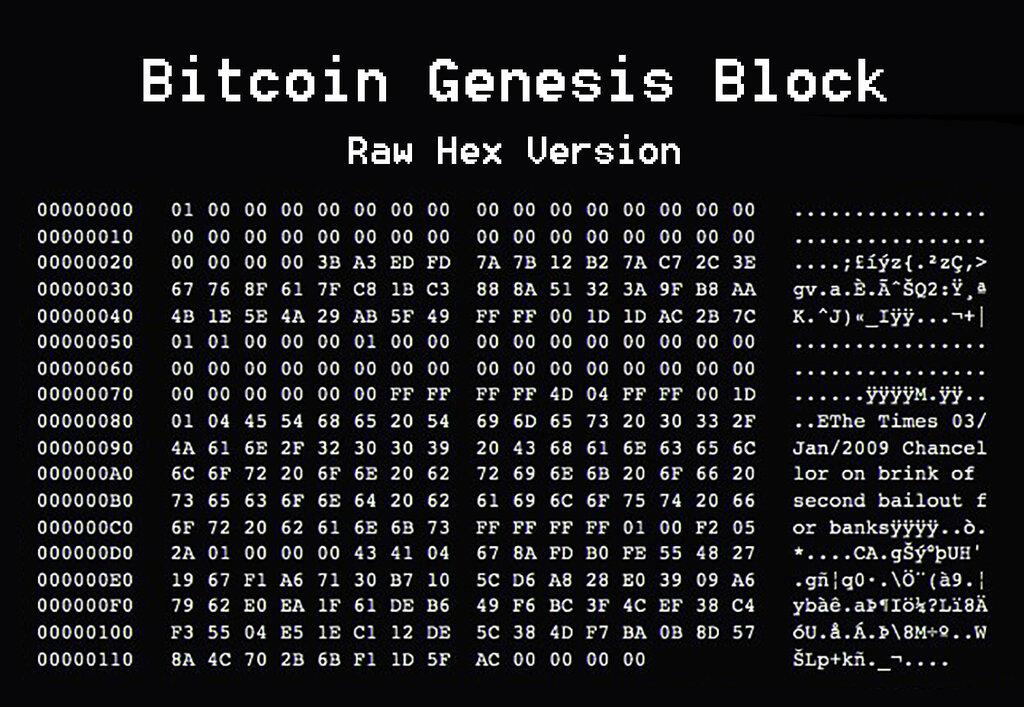
The ideas behind blockchain technology have been around for decades, but they came together in 2008. A person or group using the name Satoshi Nakamoto published a paper outlining a digital currency called Bitcoin. This paper was the first practical implementation of a blockchain.
Initially, blockchain was seen only as the technology that made cryptocurrencies possible. But people quickly realized its potential went far beyond digital money. Because it offers a secure and transparent way to record information without needing a central authority, it can be adapted for countless other uses.
Over the years, developers have created new types of blockchains that can handle more complex operations, like smart contracts, which are self-executing agreements. The technology has evolved from a simple transaction ledger into a platform for building entirely new kinds of decentralized applications.
What is the best description of a blockchain?
The term "immutability" in the context of blockchain means that...