Blockchain Explained
Introduction to Blockchain
What Is a Blockchain?
At its heart, a blockchain is a special kind of digital notebook. Think of it as a ledger that's shared among a group of people. Instead of one person controlling the notebook, everyone in the group has their own identical copy. When a new entry, or transaction, is made, it gets added to every single copy.
The blockchain is essentially a ledger, or set of records.
This notebook is organized into a growing list of records, called “blocks.” Each block is connected to the one before it, forming a chain. This structure is what gives blockchain its name. The primary purpose is to create a secure and permanent record of transactions that everyone in the network can trust, without needing a central authority like a bank or government to verify things.
The Core Features
Three key characteristics make blockchain technology unique and powerful: decentralization, immutability, and transparency.
Decentralization means there is no single point of control. Instead of a central server storing all the information, the ledger is distributed across a network of computers. If one computer goes offline, the network keeps running because everyone else has a copy. This makes the system incredibly resilient and resistant to censorship or shutdowns.
This is different from how most of our digital world works. Your bank records, for example, are stored on the bank's central computers. If those computers fail, you lose access. With a decentralized system, the information exists in many places at once.

Immutability refers to the inability to change or tamper with data once it's been recorded. When a new block is added to the chain, it's linked to the previous block using a unique digital fingerprint. Changing a block would change its fingerprint, which would break the link to all subsequent blocks. To successfully alter a record, someone would have to alter the block and every single block that came after it on most of the computers in the network—an almost impossible task.
Transparency on a blockchain means that the transactions are often visible to all participants. While the real-world identities of the participants are usually hidden behind a cryptographic address, the history of transactions is public. This allows for auditing and verification by anyone on the network, which builds trust in the system.
A Brief History
The idea of a cryptographically secured chain of blocks was first described in 1991, but it wasn't until 2008 that it was put into practice. A person or group using the pseudonym Satoshi Nakamoto published a white paper called "Bitcoin: A Peer-to-Peer Electronic Cash System." This paper laid the groundwork for the first blockchain.
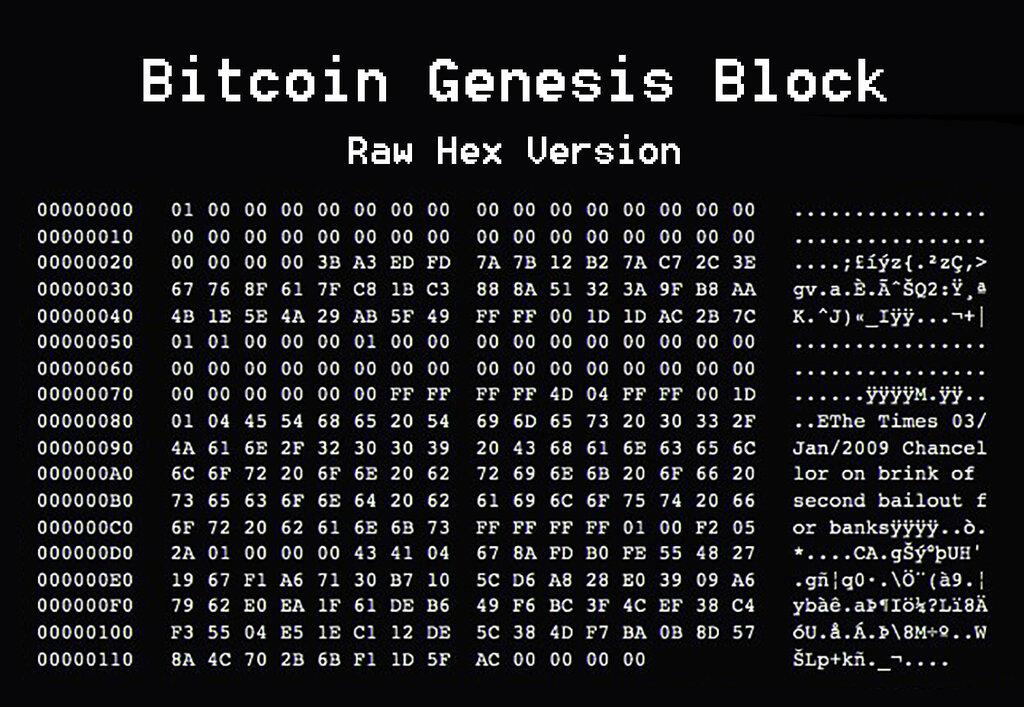
In January 2009, the Bitcoin network came into existence with the mining of the first block, known as the Genesis Block. For several years, blockchain was nearly synonymous with Bitcoin.
However, developers soon realized the technology could be used for more than just digital currency. In 2015, the Ethereum blockchain launched, introducing the concept of "smart contracts." These are programs that run on the blockchain and automatically execute when certain conditions are met. This innovation opened the door for countless other platforms and applications to be built on blockchain technology.
How Does It Stay Secure?
If no one is in charge, how does everyone agree on what transactions are valid? This is where consensus mechanisms come in. A consensus mechanism is a set of rules that all the computers in the network use to agree on the state of the ledger. It ensures that every new block added to the chain is the one and only true version.
The most famous consensus mechanism is Proof-of-Work (PoW), used by Bitcoin. In PoW, network participants, called miners, compete to solve a complex mathematical puzzle. The first one to solve it gets to add the next block to the chain and is rewarded for their effort. This process requires significant computational power, which makes it very difficult and expensive for anyone to cheat the system.
Other mechanisms exist, like Proof-of-Stake (PoS), where participants are chosen to create a new block based on the number of coins they hold. Regardless of the method, the goal is the same: to secure the network and ensure that everyone agrees on the ledger's contents.
What is the primary purpose of a blockchain?
Which characteristic of blockchain technology makes it nearly impossible to alter or delete a recorded transaction?
Blockchain's blend of security, transparency, and decentralization makes it a foundational technology with potential that is still being explored.