Blockchain Explained
Introduction to Blockchain
What Is a Blockchain?
A blockchain is a special kind of digital notebook. Imagine a notebook that's shared among a huge group of people. Every time someone adds a new page, everyone in the group gets an identical copy of that new page. No one can secretly go back and change an old page, because everyone else's copy would show the change. This makes the notebook's history permanent and transparent.
The blockchain is essentially a ledger, or set of records.
ledger
noun
A book or other collection of financial accounts. In digital terms, it's a record of transactions or data.
This digital ledger is made up of a growing list of records, called “blocks.” Each block is linked to the one before it, forming a chain. This structure is what gives blockchain its name and its security. Unlike a traditional database managed by one person or company, a blockchain is managed by a network of computers. This is called decentralization, and it's a core feature.
The Origin Story
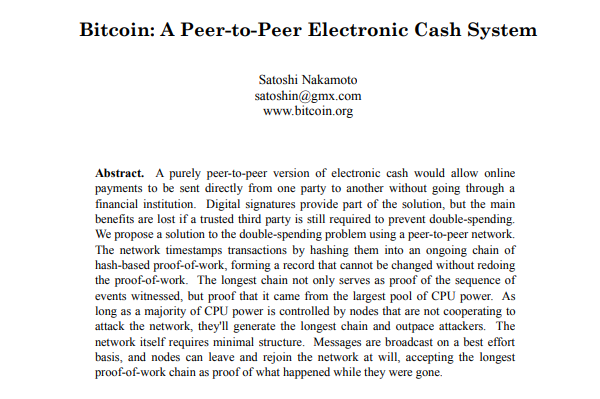
The idea for blockchain came to life in 2008. A person or group using the name Satoshi Nakamoto published a paper called “Bitcoin: A Peer-to-Peer Electronic Cash System.” The goal was to create a new kind of digital money that didn't need a bank or other middleman to work.
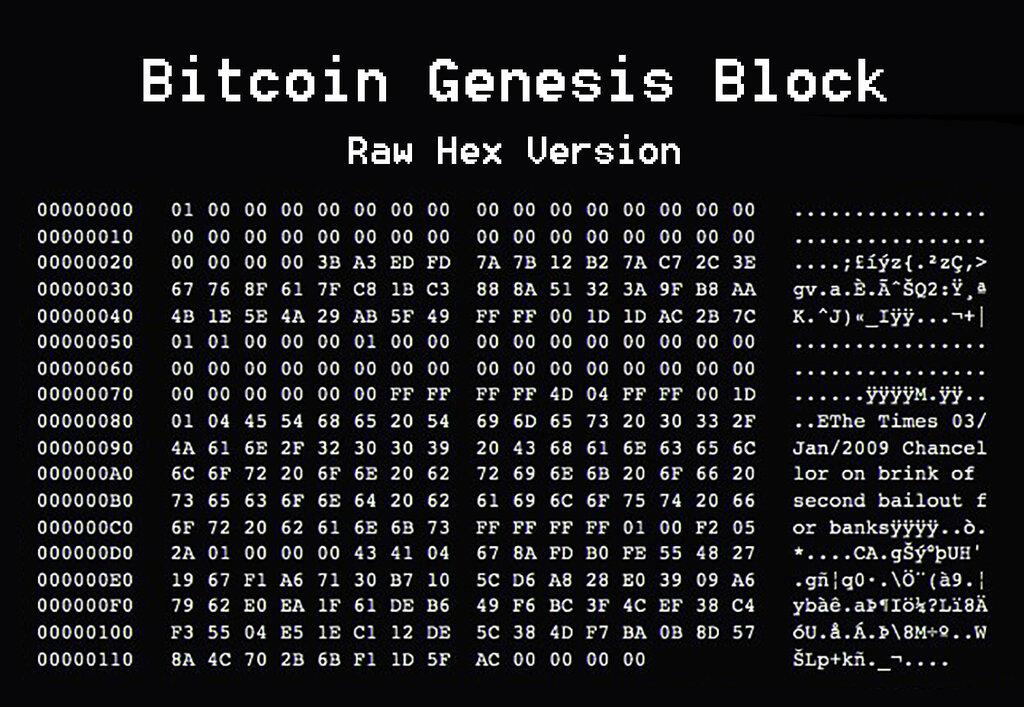
To make Bitcoin possible, Nakamoto invented the blockchain. It served as the public ledger for all Bitcoin transactions. The very first block, known as the “Genesis Block,” was created in January 2009. It famously contained a hidden message referencing a newspaper headline about bank bailouts, hinting at the creator's motivation.
While it started with Bitcoin, people soon realized the technology could be used for much more than just money. It could track ownership of assets, verify identities, and manage supply chains, all without a central authority.
How Blocks Form a Chain
So, what’s inside a block? Each block contains three main things:
- Data: This could be transaction details, like who sent money to whom and how much.
- A Hash: This is like a unique digital fingerprint for the block. It's a code generated from the data inside the block. If any data changes, the hash changes completely.
- The Hash of the Previous Block: This is the key part. By including the fingerprint of the block before it, each new block creates a secure link, forming a chain.
This structure makes a blockchain incredibly secure. If someone tried to alter the data in, say, Block 2, its hash would change. This change would break the link with Block 3, because Block 3 is still pointing to the original hash of Block 2. To successfully cheat, a person would have to recalculate the hash for every single block that came after it, all across a massive, decentralized network. It's practically impossible.
This is why blockchains are often called “immutable.” Once data is added to the chain, it's there for good.
Time for a quick review of these foundational concepts.
Let's test your understanding of how these pieces fit together.
What is the primary function of a blockchain?
If someone alters the data within a single block in a blockchain, what is the immediate consequence?
You now have a solid grasp of what a blockchain is, where it came from, and the clever design that makes it so secure and reliable. It’s a simple but powerful idea: a permanent, shared history of records.