Blockchain Essentials
Introduction to Blockchain
More Than Just a Buzzword
You’ve probably heard the term “blockchain” connected to cryptocurrencies like Bitcoin. But the technology itself is much more than just digital money. At its core, a blockchain is a special kind of digital ledger. Think of it like a shared notebook that’s passed around a group of people.
A blockchain is a digital ledger of transactions that is distributed across a network of computers. It’s designed to be secure, transparent, and resistant to modification.
Every time someone wants to add a new entry, or transaction, they announce it to the group. Everyone checks to make sure the entry is valid. If it is, the new transaction is added to a new page, called a block. This new block is then cryptographically linked to the previous one, creating a chain of blocks. This structure is what gives blockchain its name.
Its Core Characteristics
Three key properties make blockchain technology so revolutionary: decentralization, transparency, and immutability.
Decentralization
noun
The transfer of control and decision-making from a centralized entity (individual, organization, or group thereof) to a distributed network.
Traditional systems, like banking, rely on a central authority. Your bank verifies and records all your transactions. In a decentralized system, there is no single point of control. Instead, every participant in the network keeps a copy of the ledger. This distribution of power means no single person or group can control the data or the network.
Next is transparency. While a user's identity can be anonymous, the transactions themselves are often public. Anyone on the network can view the ledger and verify its history. This openness builds trust among participants, as all actions are visible to the community.
Finally, immutability means that once a transaction is recorded on the blockchain, it cannot be altered or deleted. Because each block is cryptographically linked to the one before it, changing a single block would require altering all subsequent blocks. This would also require the consensus of the majority of the network, making the ledger incredibly secure and tamper-proof.
A Brief History
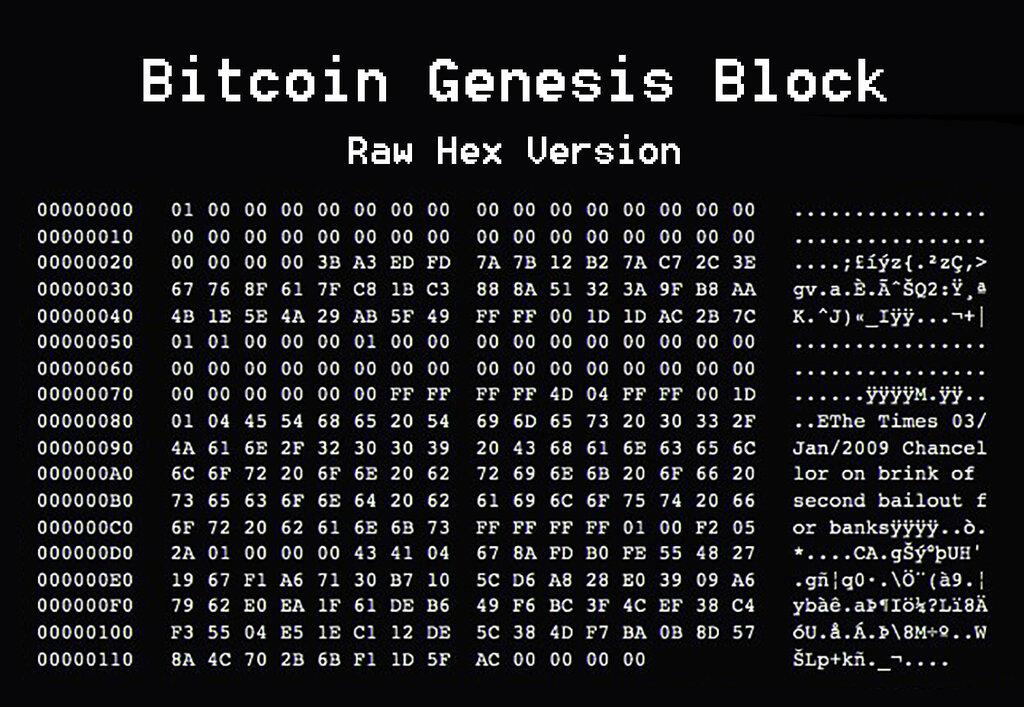
The concepts behind blockchain have been around for decades, but they came together in 2008. A person or group using the pseudonym Satoshi Nakamoto published a white paper detailing a system for a peer-to-peer electronic cash called Bitcoin. This was the first real-world application of blockchain technology.
While it started with cryptocurrency, developers quickly realized the potential of blockchain for other uses. The idea of a secure, decentralized ledger could be applied to many different industries.
| Industry | Blockchain Application |
|---|---|
| Finance | Faster, more secure cross-border payments. |
| Supply Chain | Tracking goods from origin to consumer to ensure authenticity. |
| Healthcare | Securely managing and sharing patient medical records. |
| Voting | Creating secure and transparent electronic voting systems. |
| Real Estate | Streamlining property sales and title transfers. |
From tracking diamonds to verifying academic credentials, the applications are vast. Blockchain provides a new way to record and verify information, fostering trust in a digital world without relying on a central authority.
What does the term "immutability" mean in the context of blockchain?
In a decentralized system like blockchain, a central authority such as a bank is required to validate all transactions.