Blockchain Essentials
Introduction to Blockchain
What Is a Blockchain?
Imagine a shared digital notebook that’s duplicated and spread across a network of computers. Every time someone adds a new page, that page is sent to everyone else, who adds it to their copy of the notebook. This shared notebook is the basic idea behind a blockchain. It’s a special kind of database that stores information in connected blocks.
At its core, a blockchain is a digital ledger that records transactions in a way that is secure, transparent, and resistant to change.
The main purpose of this technology is to allow people, especially those who don't know or trust each other, to share valuable data in a secure, tamper-proof way. It removes the need for a middleman. For example, when you send money through a bank, the bank is a central authority that verifies and records the transaction. A blockchain allows these transactions to happen directly between people, with the network of computers verifying everything instead.
The Core Principles
Three key features give blockchain its power: decentralization, transparency, and immutability.
Decentralization means there is no single person or entity in control. The ledger is maintained by a network of participants. This makes the system incredibly resilient. If one computer goes offline, the network keeps running without interruption. It also prevents any single party from having unfair control.
Transparency means that everyone in the network can see the record of transactions. For public blockchains like Bitcoin, anyone can view the ledger. This shared visibility ensures that all participants are working with the same version of the truth, which builds trust.
Immutability refers to the fact that once data is recorded on a blockchain, it cannot be altered or deleted. Each new block is cryptographically linked to the previous one, forming a secure chain. Changing a block would require changing all subsequent blocks, an action that is computationally impractical and would be immediately rejected by the network.
A Quick History
The ideas behind blockchain existed for years, but they were first successfully combined in 2008 by an anonymous person or group known as Satoshi Nakamoto. This was done to create the digital currency Bitcoin. The goal was to create a peer-to-peer electronic cash system that didn't rely on traditional financial institutions.
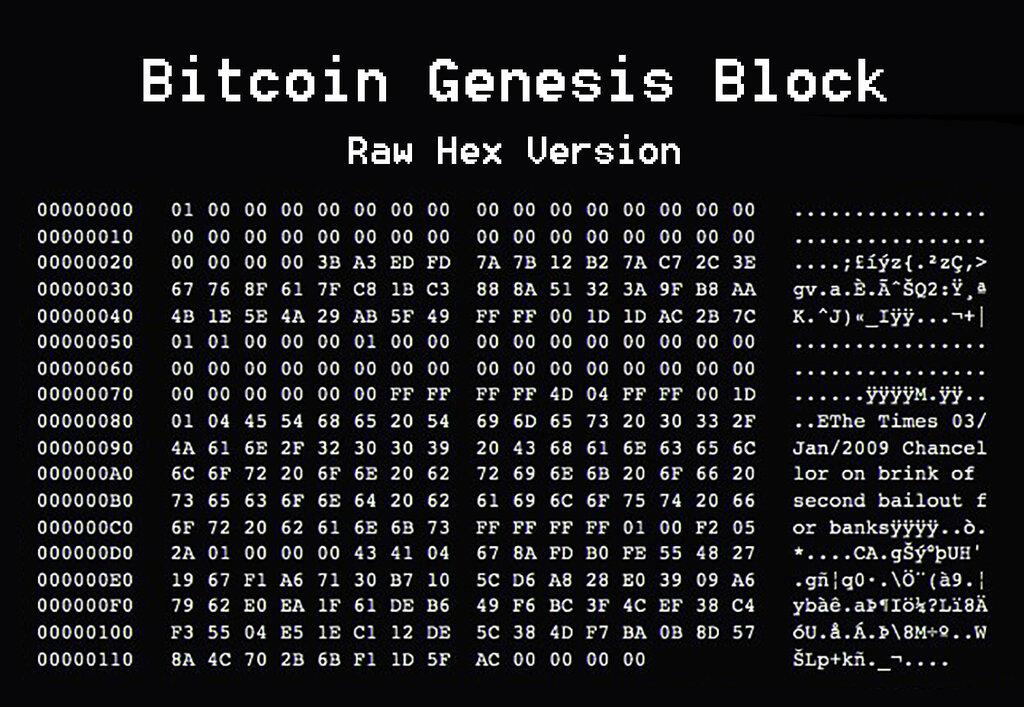
For several years, blockchain was almost exclusively associated with Bitcoin. But developers soon realized the underlying technology could be used for much more. They saw its potential to create secure, decentralized applications for all sorts of industries. This led to the creation of new blockchain platforms like Ethereum, which introduced smart contracts—self-executing contracts with the terms of the agreement written directly into code. This innovation opened the floodgates for new applications.
Beyond Cryptocurrency
While cryptocurrencies remain the most famous use case, blockchain technology is now being explored in many other fields. Its ability to create a trustworthy and transparent record is valuable in areas where verifying information is critical.
| Industry | Potential Application |
|---|---|
| Supply Chain | Tracking goods from origin to consumer to ensure authenticity and prevent fraud. |
| Healthcare | Securely managing and sharing patient medical records while giving patients control over their data. |
| Voting | Creating secure and transparent electronic voting systems to reduce fraud. |
| Real Estate | Simplifying and securing the process of transferring property ownership. |
| Digital Identity | Allowing individuals to own and control their digital identities without relying on a central provider. |
Each of these applications leverages blockchain's core principles to solve problems related to trust, security, and efficiency.
Let's check your understanding of these foundational concepts.
What is the best analogy for a blockchain?
Which feature of blockchain ensures that once data is recorded, it cannot be altered or deleted?
Blockchain is a powerful technology that combines existing ideas in a new way to create a distributed, secure method for recording information. Understanding its core principles is the first step to seeing its wide-ranging potential.