Blockchain and Video Explained
Introduction to Blockchain
More Than Just Bitcoin
You’ve probably heard the word “blockchain” thrown around, usually in the same breath as cryptocurrencies like Bitcoin. But the technology behind the hype is much more than just digital money. At its heart, a blockchain is a new way of storing and sharing information.
At its most basic level, a blockchain is a digital ledger maintained by a decentralized network of computers.
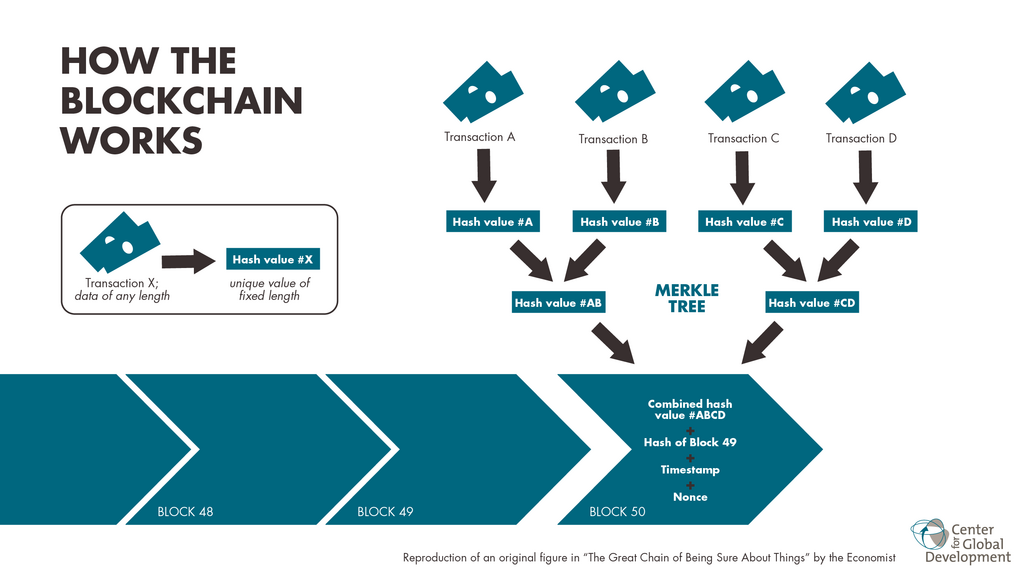
Imagine a shared digital notebook. Every time a transaction happens, a new entry is made. Instead of one person holding the notebook, everyone in the group has an identical, constantly updated copy. This notebook is made of “blocks,” where each block contains a list of recent transactions. Once a block is full, it’s added to the end of the notebook, creating a chronological “chain.”
The purpose is to create a permanent, unchangeable record of transactions that isn't controlled by any single person or company. This builds trust, because the history of transactions is open for all participants to see and verify.
The Four Key Features
What makes a blockchain special? It comes down to four core ideas that work together.
Decentralization
noun
The transfer of control and decision-making from a centralized entity (individual, organization, or group thereof) to a distributed network.
Think about how a bank works. All your financial records are stored on the bank’s central computers. The bank is in charge. Blockchains are different. The ledger isn’t stored in one place; it’s distributed across a network of many computers around the world. No single person or group has control, which makes the system more resilient and fair.
The other three features build on this foundation:
- Transparency: While users' identities can be anonymous (represented by a digital address), the list of transactions itself is public. Anyone on the network can view the entire history of the blockchain, which promotes honesty.
- Security: Blockchains are secured using cryptography. Each block is cryptographically linked to the one before it, all the way back to the very first block. This makes it incredibly difficult for a bad actor to alter any information.
- Immutability: This means that once a transaction is recorded on the blockchain, it cannot be changed or deleted. The cryptographic links between blocks ensure that tampering with one block would require changing all subsequent blocks, an almost impossible task on a large network. This creates a permanent and trustworthy record.
Immutability creates a digital record that is set in stone, providing a source of truth that everyone on the network can agree on.
From Digital Cash to a New Internet
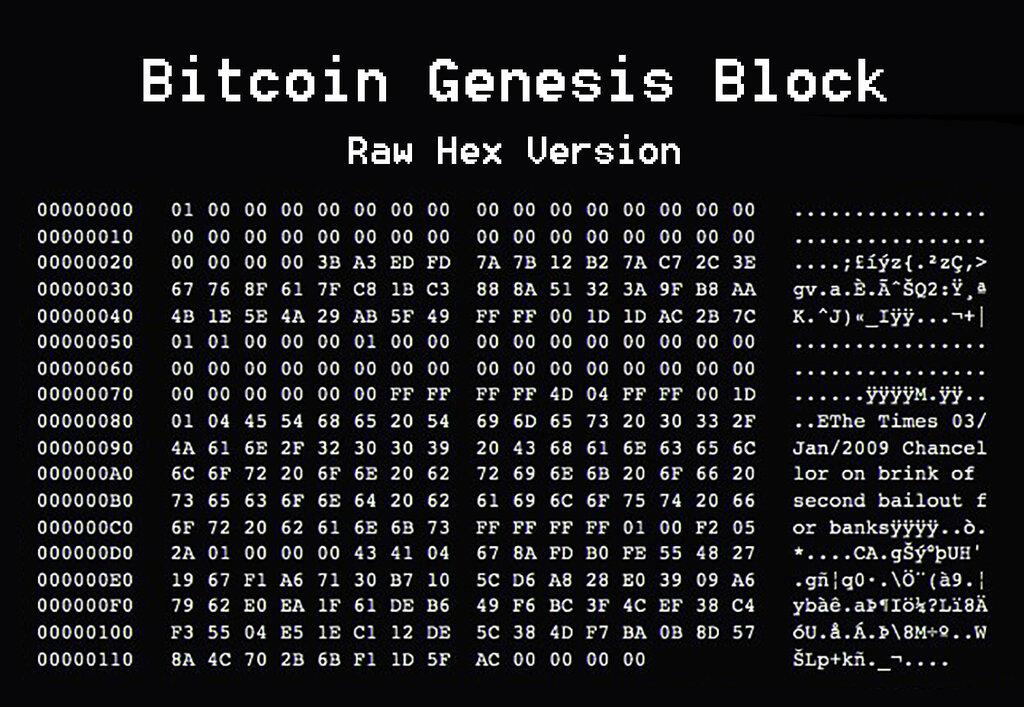
The ideas behind blockchain technology have been around since the early 1990s, but they were first put into practice in 2009 with the creation of Bitcoin. The goal was to create a peer-to-peer electronic cash system that didn't need a bank or other financial institution to work.
For years, blockchain was synonymous with Bitcoin. But developers soon realized the underlying technology could be used for much more. They saw its potential to create secure, decentralized applications for almost anything you can think of, from tracking goods in a supply chain to creating fair voting systems or managing digital identity.
This evolution marks a shift from simply creating new forms of money to building a whole new foundation for online services—one that is more open, secure, and user-controlled.
Now, let's test what you've learned about the basics.
At its most fundamental level, what is a blockchain?
The feature that ensures once a transaction is recorded on the blockchain it cannot be changed or deleted is known as _______.