Blockchain and Layer 1
Layer 1 Responsibilities
Decoding the Architecture of Layer 1
A blockchain is more than just a ledger; it is a complex infrastructure built on four distinct pillars. In this chapter, we will break down the essential functions of consensus, settlement, execution, and data availability to understand why these systems are so powerful when combined. By the end of this lesson, you will possess a clear framework for evaluating the design choices that define the backbone of any decentralized network.
Execution and Settlement: The Active Duo
To understand how a blockchain functions, it helps to imagine it as a high-performance shared office. In this office, different teams handle specific tasks to keep the business running smoothly. The first two teams we need to meet are Execution and Settlement. These represent the active side of the ledger—the part where things actually happen and results are made official.
Without these two pillars, a blockchain would be a static database with no way to process change or guarantee the finality of a transaction. Together, they create a environment where state management doesn't require a central administrator.
The Engine of Execution
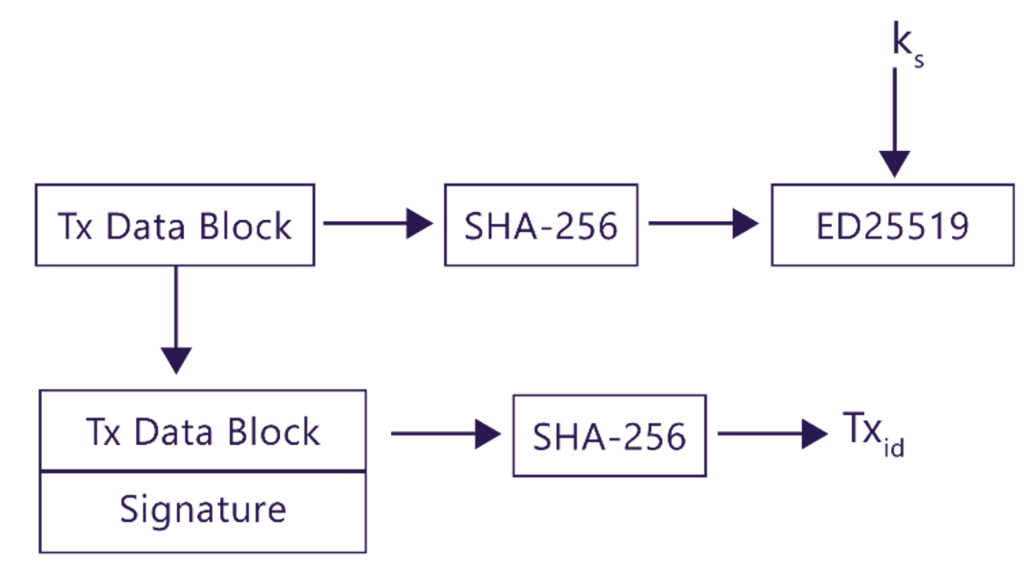
is the engine room of the blockchain. This is where the actual work happens: smart contracts are run, digital signatures are verified, and account balances are updated. When you send tokens to a friend, the execution layer calculates the new totals for both addresses.
Technically, this layer is responsible for 'state transitions.' If the blockchain's current state is 'Alice has 10 coins and Bob has 5,' and Alice sends 2 to Bob, the execution layer processes the math to move the system to the next state: 'Alice has 8 coins and Bob has 7.'
The Final Word on Settlement
If execution is the engine, settlement is the judge. The settlement layer is where the results of the execution are finalized and made irreversible. It acts as the ultimate source of truth, ensuring that once a transaction is recorded, it cannot be changed or rolled back. This is what we call 'finality.'
In a blockchain like Bitcoin, execution and settlement happen on the same layer. The same nodes that process the transaction also agree that it is finished. However, in modern modular setups, these roles are often split. One layer might do the fast, heavy execution work, while a more secure 'base' layer handles the final settlement to ensure maximum safety.
| Function | Role | Analogy |
|---|---|---|
| Execution | Processes transactions and runs code | The Engine |
| Settlement | Finalizes the outcome and ensures validity | The Judge |
Execution: This layer is responsible for the actual processing of transactions within the chain. It involves nodes carrying out transactions, moving the blockchain from one state to the next... Settlement: Settlement acts as the stabilizing force of the blockchain, ensuring the permanency of transactions.
By separating these functions, even conceptually, we can see how blockchains manage to maintain 'truth' without a boss in charge. One part does the work, and the other part verifies and locks it in. This functional necessity is what allows a decentralized system to be just as reliable as a traditional bank, but without the need for a central authority to oversee the books.