BLDC Motors for Electric Vehicles
Introduction to BLDC Motors
A Smarter Motor
Brushed DC motors get the job done, but they have a built-in expiration date. The brushes that deliver power to the rotor physically rub against the commutator, causing friction, sparks, and wear. Over time, they need to be replaced. What if we could build a motor that did the same job without this physical contact?
Enter the Brushless DC (BLDC) motor. It’s a clever redesign that eliminates the brushes and the mechanical commutator entirely. The core idea is to flip the motor's structure inside out. In a BLDC motor, the permanent magnets are on the rotor (the spinning part), and the electromagnets (coils of wire) are on the stator (the stationary part).
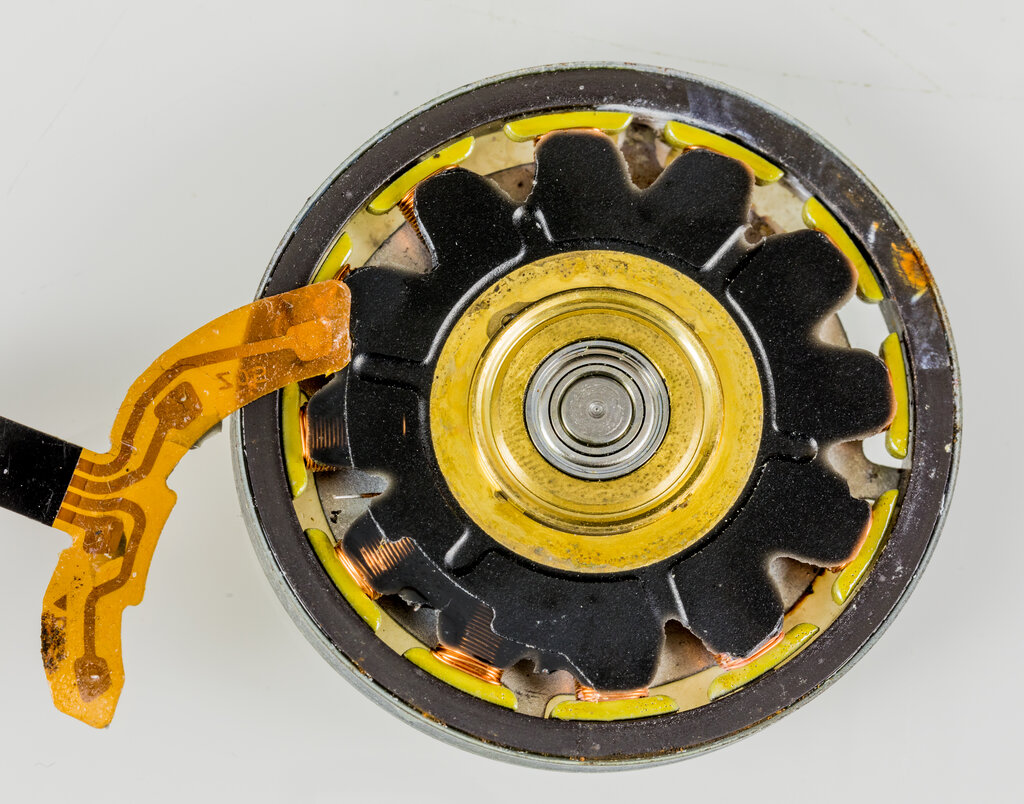
With no brushes to carry current to the spinning rotor, how does it move? Instead of a mechanical switch, a BLDC motor uses an electronic controller. This controller rapidly switches the current in the stationary coils, creating a rotating magnetic field. This magnetic field interacts with the permanent magnets on the rotor, pulling them along for the ride. It’s like dangling a carrot on a stick in front of a rabbit, but the carrot is a magnetic field and the rabbit is the rotor.
Why Go Brushless?
Removing the brushes solves several problems at once, giving BLDC motors significant advantages.
First, they are much more efficient. Brushes create friction, which wastes energy as heat. By eliminating this friction, more of the electrical energy is converted into useful rotational motion. This is a huge benefit for battery-powered devices, including electric vehicles.
They also last much longer and require almost no maintenance. Brushes are the primary wear-and-tear component in a DC motor. They erode over time, creating carbon dust and eventually failing. BLDC motors don't have this issue, making them highly reliable.
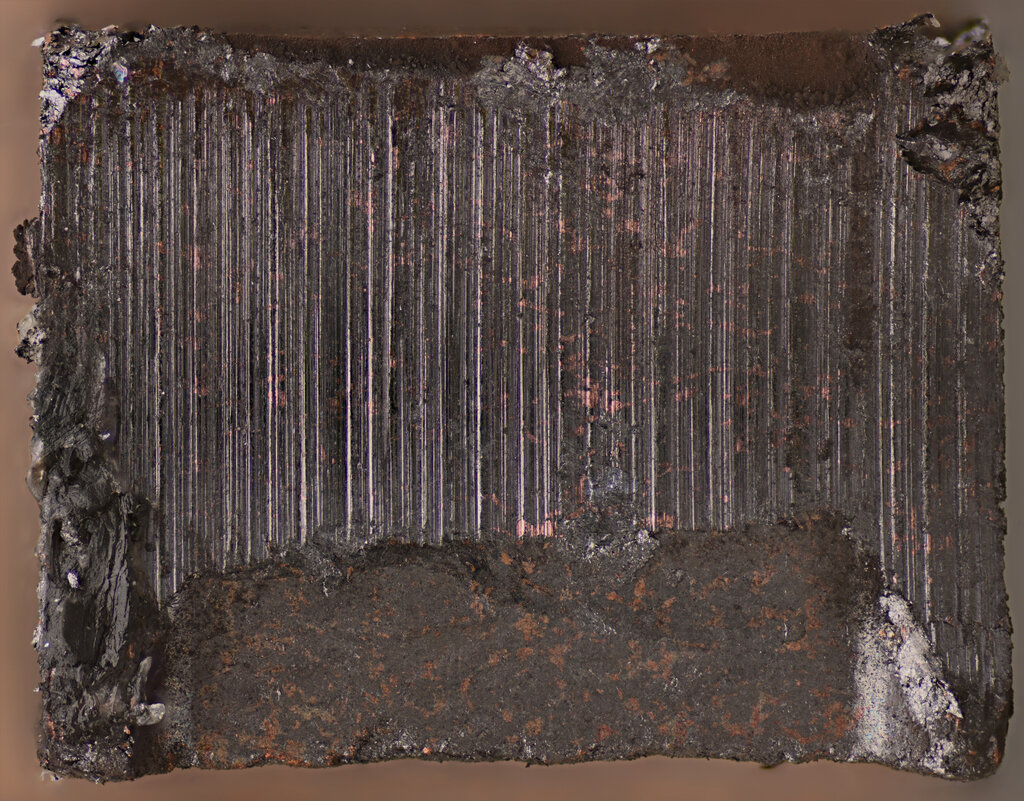
Additionally, the lack of mechanical contact makes BLDC motors quieter and electrically cleaner. The sparking, or arcing, that occurs as brushes cross the gaps in a commutator generates a lot of electromagnetic interference (EMI). BLDC motors run smoothly and quietly without this electrical noise, which is important for sensitive electronics.
The Electronic Brain
The key to a BLDC motor's operation is its electronic controller. This isn't just an on/off switch; it's a sophisticated piece of electronics that acts as the motor's brain.
To switch the current in the stator coils at precisely the right time, the controller needs to know the exact position of the rotor. Most BLDC motors use sensors, typically Hall effect sensors, embedded in the stator. These sensors detect the passing of the rotor's magnets and send signals back to the controller.
The controller uses this feedback to energize the next coil in the sequence, keeping the rotor spinning smoothly and efficiently. This closed-loop control allows for very precise management of the motor's speed and torque, far more than what's possible with a simple brushed motor.
The controller essentially creates a rotating magnetic field that the rotor's permanent magnets are forced to follow.
Thanks to this electronic management, BLDC motors are not just motors; they are complete systems. Their performance is defined as much by their controller's programming as by their physical construction. This programmability makes them incredibly versatile.
Beyond EVs, BLDC motors are found in countless devices where efficiency, reliability, and precision are critical. They spin the platters in computer hard drives, turn the propellers on drones, and power high-end cordless tools. They're in computer cooling fans, CD players, and industrial robots. Their silent, efficient operation makes them a superior choice for a huge range of applications.
Let's check your understanding of these core concepts.
What is the primary structural difference between a traditional brushed DC motor and a brushless DC (BLDC) motor?
How does an electronic controller know the position of the rotor to correctly time the switching of the electromagnets?
By eliminating the components most prone to wear, BLDC motors offer a more robust and efficient way to turn electricity into motion, paving the way for more advanced electric vehicles.