Black Women in Leadership
Woodson's Leadership Legacy
A Blueprint for Leadership
In 1933, Dr. Carter G. Woodson published a book that was far more than a critique of the education system. wasn't just about what was being taught in schools; it was a profound analysis of the psychological effects of an education designed by and for the dominant culture. Woodson argued that Black Americans were being taught to accept a subordinate role, to see their own history and potential through a distorted lens. They learned everything about European history and almost nothing of African achievements.
Viewed through a modern lens, this is fundamentally a leadership challenge. Woodson’s work serves as a blueprint for unlearning a mindset of dependency and institutionalized self-negation. He identified that the first step toward effective leadership is to reject the externally imposed notion of one's "proper place." The 'mis-educated' individual, in Woodson's view, seeks approval from the very systems that oppress them, rather than building something for themselves and their community. This critique is as relevant in today's corporate boardrooms and professional environments as it was in the segregated schools of the 1930s.
Service Over Status
Woodson diagnosed a critical flaw in the leadership models available to Black Americans at the time. He saw many highly educated individuals using their knowledge to gain status within the existing white power structure, rather than to serve the needs of their own communities. He critiqued those who became brilliant practitioners of law, medicine, or theology but did little to solve the larger problems facing the Black population.
This gives rise to a powerful idea: a service-based leadership model over a status-based one. True leadership isn't about acquiring titles or accolades. It's about identifying a community's needs and using your skills to meet them, directly and effectively.
This framework calls for a redefinition of success. Instead of asking, "How high can I climb in this existing structure?" a service-based leader asks, "What structure can I build to lift my community?" This is a shift from individual advancement to collective empowerment, a core tenet of Woodson's philosophy.
Building Independent Institutions
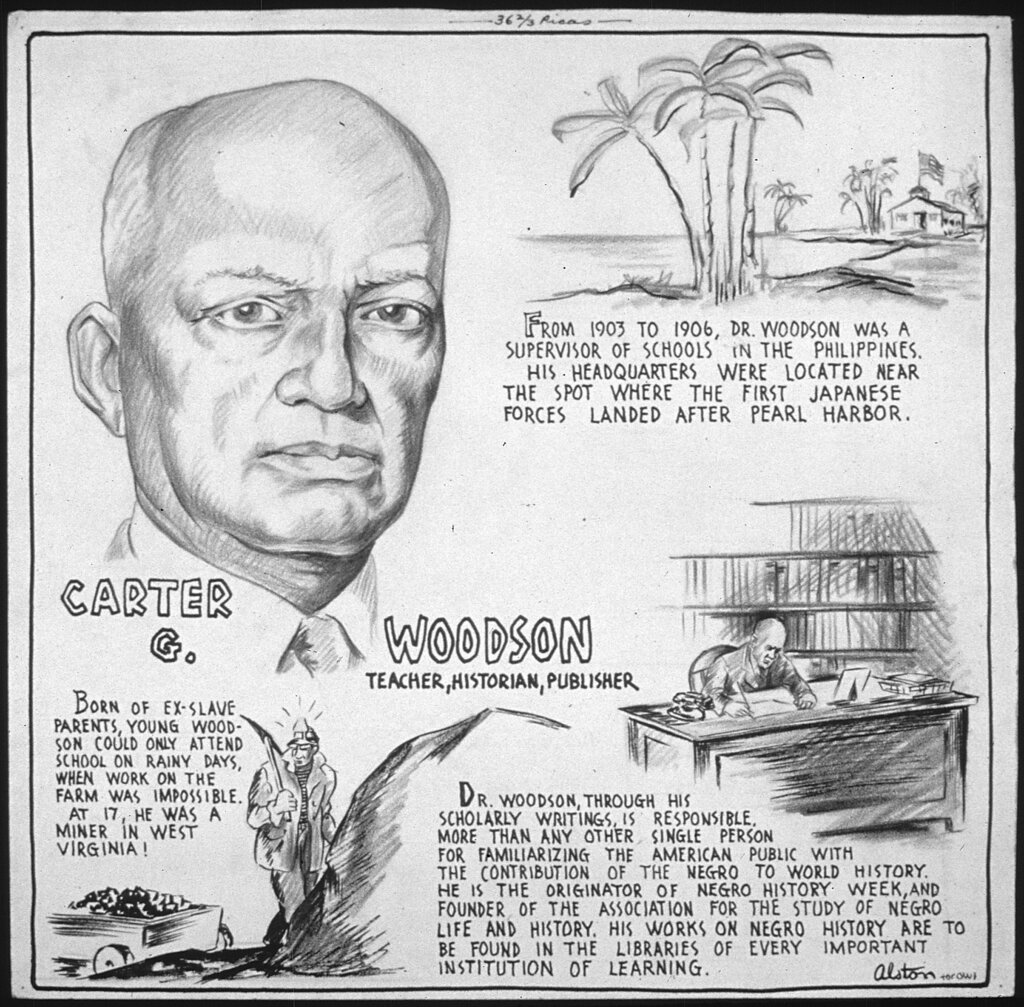
Talk is one thing; action is another. Woodson's most potent leadership lesson was his emphasis on self-determination through the creation of independent intellectual infrastructures. He didn't just complain about the lack of Black history in textbooks; he founded the Association for the Study of Negro Life and History (ASALH), started the Journal of Negro History, and created Negro History Week.
So in 1915, he and Jesse E. Moorland founded the Association for the Study of Negro Life and History (now the Association for the Study of African American Life and History, or the ASALH).
This is the ultimate act of "doing for oneself." It is a leadership strategy that creates new platforms for expression, research, and validation when existing ones are exclusionary. By building these organizations, Woodson provided the tools for others to continue the work of reclaiming their history and, by extension, their future. This model is a direct precursor to modern organizational development strategies, particularly those led by Black women, who have historically been at the forefront of creating community-centric organizations and businesses when traditional paths to executive agency were blocked.
Woodson's legacy shows that historical self-determination is a powerful tool for modern leadership. Understanding and owning your narrative is the first step toward building institutions that reflect your values and serve your community's needs. It's a call to move from being a consumer of culture to a creator of it. Let's review these key ideas.
What was the central argument of Dr. Carter G. Woodson's book, "The Mis-Education of the Negro"?
According to the text, Woodson's philosophy redefines success for a leader. It shifts the focus from individual advancement to what?
Dr. Woodson's work provides a timeless framework for leadership rooted in self-awareness, community service, and proactive institution-building.