Bittensor and the Future of AI Blockchains
Introduction to AI Blockchains
A Tale of Two Technologies
Let's start with a digital notebook. Imagine everyone in your group has an identical copy. Whenever someone adds a new page of notes, it's instantly copied and sent to everyone else. No single person is in charge, and to change a past entry, you'd need to convince the entire group to accept your change, which is nearly impossible. That's the core idea behind blockchain.
Blockchain
noun
A decentralized, distributed, and unchangeable digital ledger used to record transactions across many computers.
This technology is built on a few key principles:
- Decentralization: No single person or company owns it. The network is maintained by all its participants.
- Immutability: Once a record, or "block," is added to the chain, it's incredibly difficult to alter. Each block is cryptographically linked to the one before it.
- Transparency: While participants can be anonymous, the transactions themselves are often public and can be verified by anyone on the network.
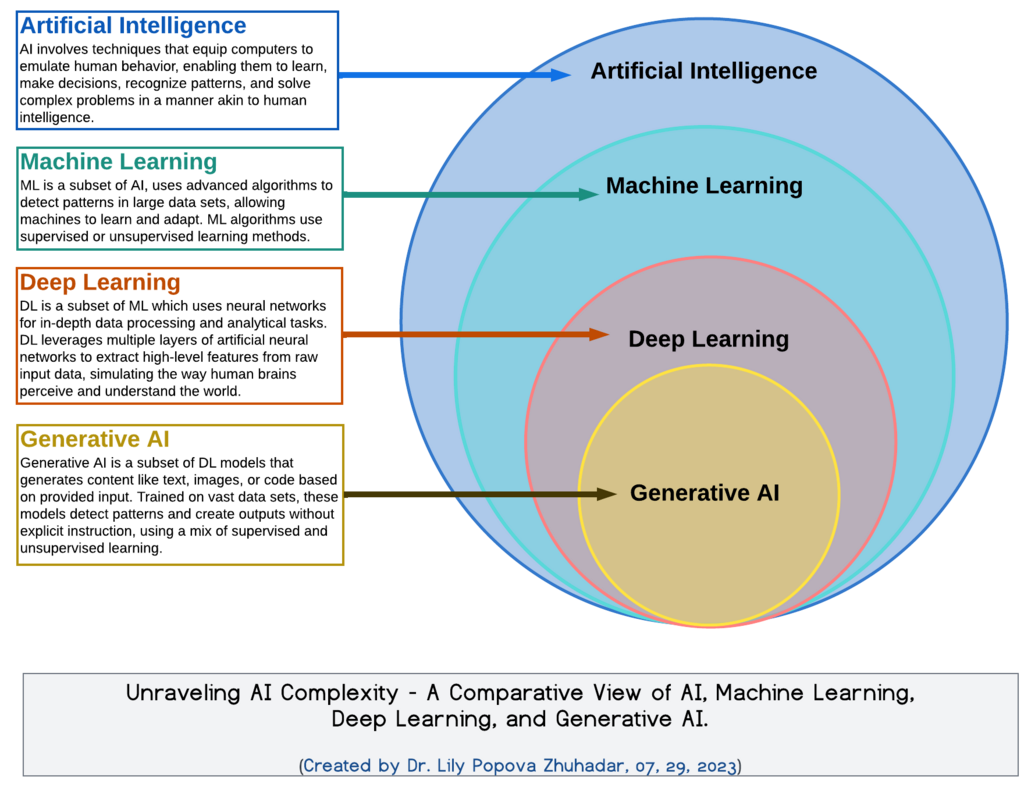
Now, let's turn to artificial intelligence. AI is all about creating smart systems that can perform tasks that usually require human intelligence. A major part of AI is machine learning, where systems learn from vast amounts of data to recognize patterns, make predictions, and improve over time without being explicitly programmed for every scenario.
A Powerful Combination
On their own, blockchain provides trust and security, while AI provides intelligence. When you combine them, interesting things happen. The relationship is a two-way street.
AI can make blockchains smarter, and blockchains can make AI more trustworthy.
How does blockchain help AI? AI models are often criticized for being "black boxes." We feed them data and get an answer, but we don't always know how they reached their conclusion. A blockchain can create a clear, unchangeable audit trail for AI decisions. It can track the data an AI was trained on and the steps it took, making the whole process more transparent and accountable.
It also helps with data security. Blockchains can be used to create secure, decentralized data marketplaces. This allows individuals to control and even get paid for the use of their data in training AI models, all while protecting their privacy.
What about the other way around? AI can bring efficiency and intelligence to blockchain networks. It can analyze network activity to predict and prevent security threats. AI can also optimize the energy consumption of blockchains, a major challenge for some platforms, by managing computing resources more effectively.
AI provides the intelligence to automate complex processes and make data-driven decisions, while blockchain offers a decentralized and secure ledger that ensures data integrity and transparency.
Putting It Into Practice
This integration isn't just theoretical. Several platforms are already exploring this synergy. Some projects aim to create decentralized marketplaces for AI services, where developers can contribute models and users can access them securely. Others, like Bittensor, are building networks where AI models collaborate and learn from each other in a decentralized way, creating a kind of global, shared brain.
However, combining these complex technologies is not without challenges. Integrating them requires immense computational power and specialized expertise. Ensuring that the AI and blockchain components work together smoothly and securely is a significant technical hurdle.
Despite the obstacles, the fusion of AI and blockchain opens up new possibilities for creating systems that are not only intelligent but also transparent, secure, and decentralized. It's a step toward building a more trustworthy digital future.
Ready to test your knowledge? Let's see what you've learned about AI and blockchain.
What is the primary benefit of using blockchain to address the "black box" problem in AI?
Which of the following describes the principle of Immutability in blockchain?