Bitcoin's Proof of Work Explained
Introduction to Bitcoin and Blockchain
The Birth of Bitcoin
In 2008, a person or group using the name Satoshi Nakamoto published a paper online. It was titled "Bitcoin: A Peer-to-Peer Electronic Cash System." This paper proposed a radical new idea: a form of digital money that could be sent directly from one person to another without needing a bank or financial institution.
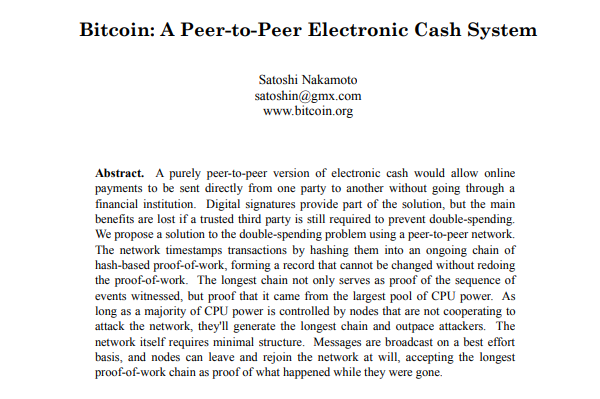
Before Bitcoin, digital money had a big problem called "double-spending." If you have a digital file, you can easily make a copy of it. How could you stop someone from spending the same digital dollar twice? The usual solution was to have a central authority, like a bank, keep track of all transactions to make sure nobody cheated.
Nakamoto's paper solved this problem in a completely new way. It described a system where everyone on the network could collectively keep track of the transactions. This system didn't need a bank or a central server. It was designed to be a truly peer-to-peer form of cash for the internet.
The Digital Ledger
The technology that makes Bitcoin possible is called the blockchain. At its core, a blockchain is simply a special kind of database, often described as a digital ledger. Think of it like a shared notebook that everyone in a network has a copy of.
Every time a transaction happens, it's recorded in the notebook for everyone to see. This shared ledger is what allows Bitcoin to operate without a central authority.
This ledger is organized into groups of transactions called "blocks." Each block is like a page in the notebook. When a block is filled with transactions, it gets added to the end of the chain. Critically, each new block contains a cryptographic link to the one before it, creating a chain of blocks, or a "blockchain."
This structure makes the ledger incredibly secure. Changing a transaction in an old block would mean changing the link in every single block that came after it, which is practically impossible to do. Once a transaction is on the blockchain, it’s there for good.
Power to the People
What truly makes blockchain technology revolutionary is decentralization. In a traditional system, all the data is stored on a central server owned by one entity, like a bank or a company. If that server goes down or is compromised, the whole system fails.
In a decentralized network like Bitcoin, there is no central server. Instead, the ledger is distributed across thousands of computers, or "nodes," all over the world. Every node has a full copy of the blockchain.
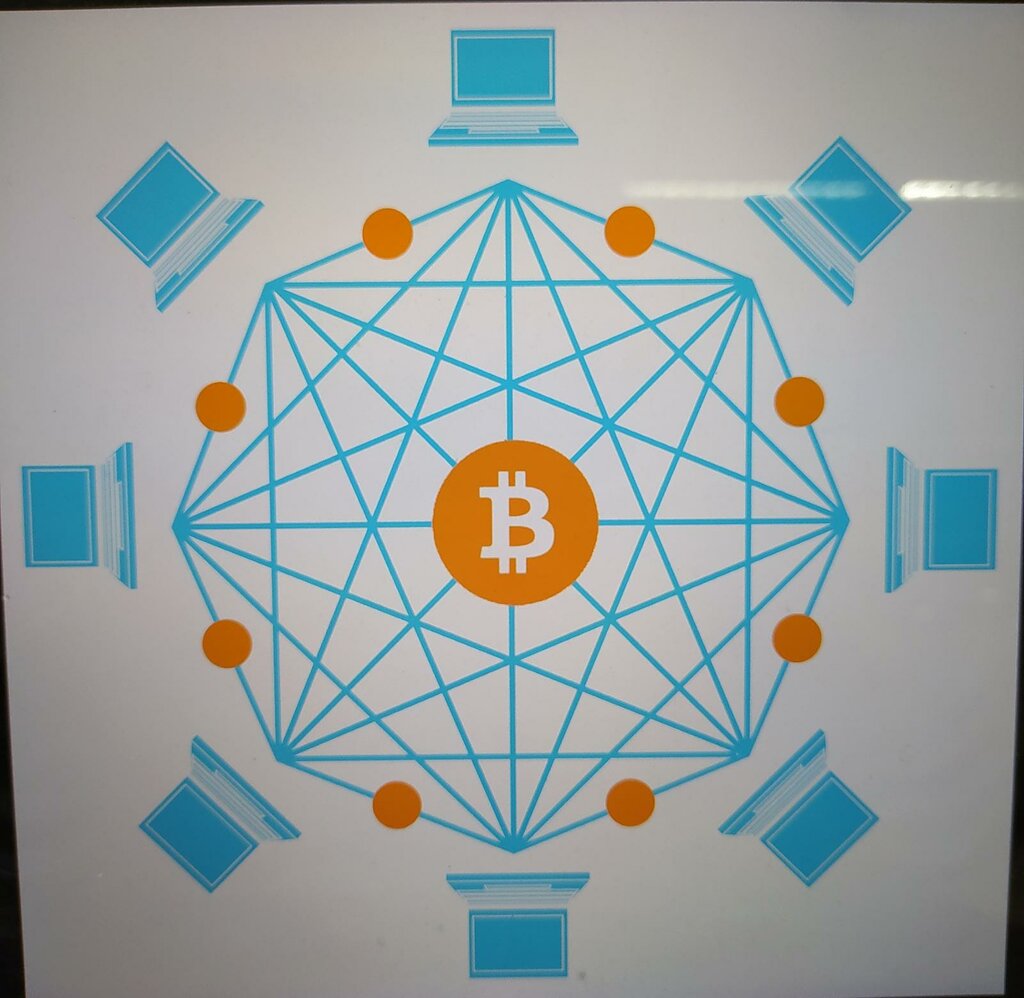
This design has powerful implications. Because there's no single entity in charge, no one can unilaterally change the rules, block transactions, or shut down the network. It's a system based on collective agreement, or consensus, rather than the authority of a single party.
This is why people say Bitcoin is "trustless." It doesn't mean you can't trust it. It means you don't have to trust any single person or organization for it to work. The trust is built into the system itself through cryptography and decentralization.
At its most basic level, a blockchain is a digital ledger maintained by a decentralized network of computers.
We've seen that Bitcoin is a digital currency built on blockchain technology, which acts as a secure, decentralized ledger. But how does this network of computers, with no one in charge, agree on which transactions are valid and which block to add next? That's where the consensus mechanism comes in, which we'll explore next.
Who is credited with publishing the 2008 whitepaper titled 'Bitcoin: A Peer-to-Peer Electronic Cash System'?
What is the 'double-spending' problem that existed with digital money before Bitcoin?