Bitcoin Volatility Explained
Introduction to Bitcoin and Cryptocurrency
What is Bitcoin?
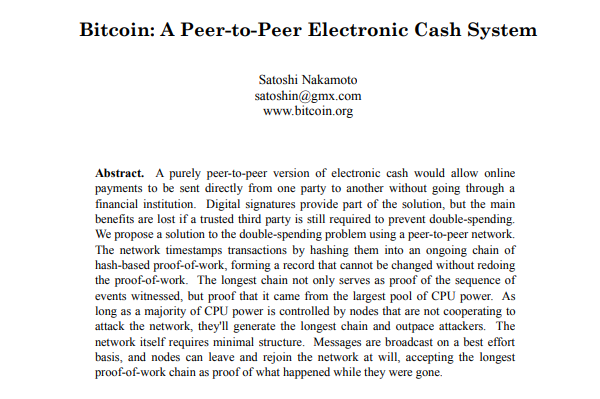
In 2008, a person or group using the name Satoshi Nakamoto published a paper online. It described a new kind of money called Bitcoin. Unlike dollars or euros, Bitcoin isn't printed by a government or controlled by a bank. It's a purely digital currency, designed for use on the internet.
The core idea was to create a "peer-to-peer electronic cash system." This means two people could exchange money directly, anywhere in the world, without a middleman like a bank or a credit card company. This system would be secure, transparent, and open to anyone.
The Technology Behind It
Bitcoin is powered by a technology called blockchain. Think of a blockchain as a shared digital notebook that everyone can see but no one can change. Every transaction is recorded as a "block" of data. Once a block is filled with transactions, it's added to the end of the "chain."
Each new block is cryptographically linked to the one before it, creating a secure and unchangeable record. This chain isn't stored in one place. It's distributed across thousands of computers worldwide. This decentralization is what makes the network so secure. To alter a transaction, a hacker would need to control more than half of the computers in the entire network, which is practically impossible.
This system makes fraud extremely difficult and removes the need for traditional financial institutions to verify transactions.
Why Does the Price Change?
The value of Bitcoin, like many other assets, is driven by supply and demand. However, its price is known for being very volatile, meaning it can change dramatically in a short amount of time. Several factors contribute to this volatility.
Market volatility measures how much the price of an asset swings up or down. High volatility means bigger price swings and higher risk.
One major factor is Bitcoin's fixed supply. Only 21 million bitcoins will ever be created. This scarcity means that changes in demand can have a big impact on the price. News reports, social media trends, and celebrity endorsements can cause demand to spike or plummet quickly.
Government regulations also play a huge role. News of a country embracing cryptocurrency can send prices up, while talk of a ban can cause them to fall. Finally, as more businesses and individuals start using Bitcoin for payments and investments, its perceived value and utility can increase, pushing the price higher over the long term.
Understanding these basic concepts is the first step before exploring the world of cryptocurrency.
Ready to check your knowledge?
Who is credited with creating Bitcoin?
What is the primary purpose of the blockchain in the context of Bitcoin?
Bitcoin and the technology behind it have introduced a new way of thinking about money. While its path has been volatile, its impact on finance is undeniable.