Bitcoin Transaction Fees Explained
Bitcoin Basics
What Is Bitcoin?
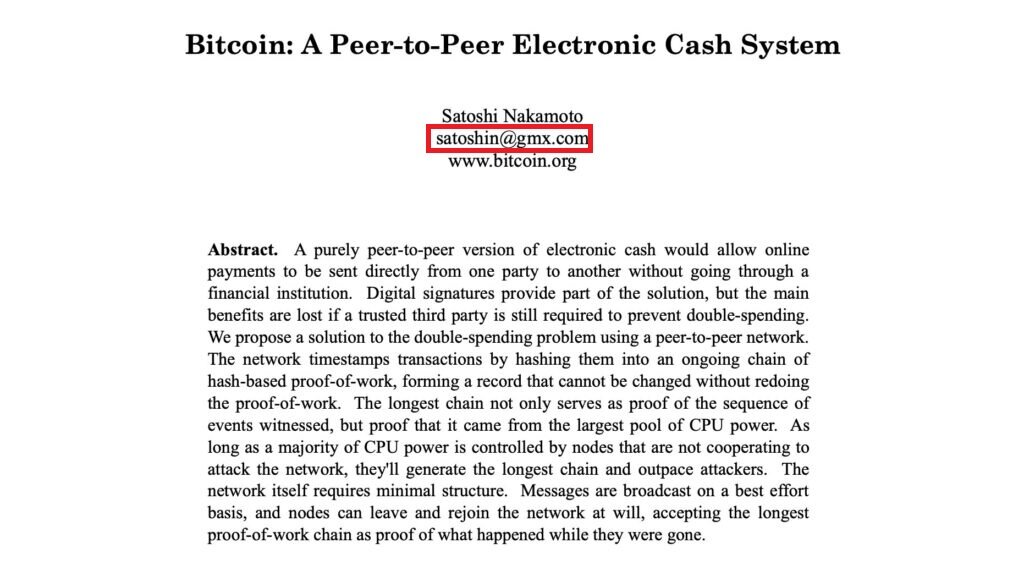
In 2008, a person or group using the name Satoshi Nakamoto published a paper online. It was titled "Bitcoin: A Peer-to-Peer Electronic Cash System." This paper laid out the vision for a new kind of money, one that wasn't controlled by any bank or government.
Bitcoin is a digital currency. Its main purpose is to allow one person to send money directly to another online, without needing a middleman like a bank or a payment processor. This is what “peer-to-peer” means. It’s a decentralized system, which means no single entity has control. The power is distributed among all its users around the world.
Think of it like digital cash. You can send it to anyone, anywhere, at any time, and the transaction is recorded on a public ledger that everyone can see.
The Technology Behind It
Bitcoin is powered by a technology called the blockchain. The name sounds complex, but the idea is straightforward.
The blockchain is a public ledger of every Bitcoin transaction ever made. Imagine a digital notebook that is shared with thousands of people. When a new transaction happens, it’s added as a new entry. Everyone's copy of the notebook gets updated at the same time.
Blockchain is a digital ledger that keeps a record of all transactions taking place in a peer-to-peer network.
Transactions are grouped together into "blocks." Each block is then cryptographically linked to the one before it, forming a "chain." This link makes the record permanent and unchangeable. Once a block is added to the chain, its transactions cannot be altered. This is what makes the network so secure.
Keeping the Network Running
If there's no central company, who runs the show? The network is maintained by thousands of participants around the world. There are two key roles: nodes and miners.
Nodes are computers that run the Bitcoin software. They hold a full copy of the blockchain and help enforce the rules of the system. When you make a transaction, it gets broadcast to the nodes, which check to make sure it's valid.
Node
noun
A computer connected to the Bitcoin network that helps validate and relay transactions and blocks.
Miners are a special type of node. They do the heavy lifting of gathering recent transactions into a new block and adding it to the blockchain. To do this, they have to solve an extremely difficult mathematical puzzle. It's like a competition. The first miner to solve the puzzle gets to add the next block.
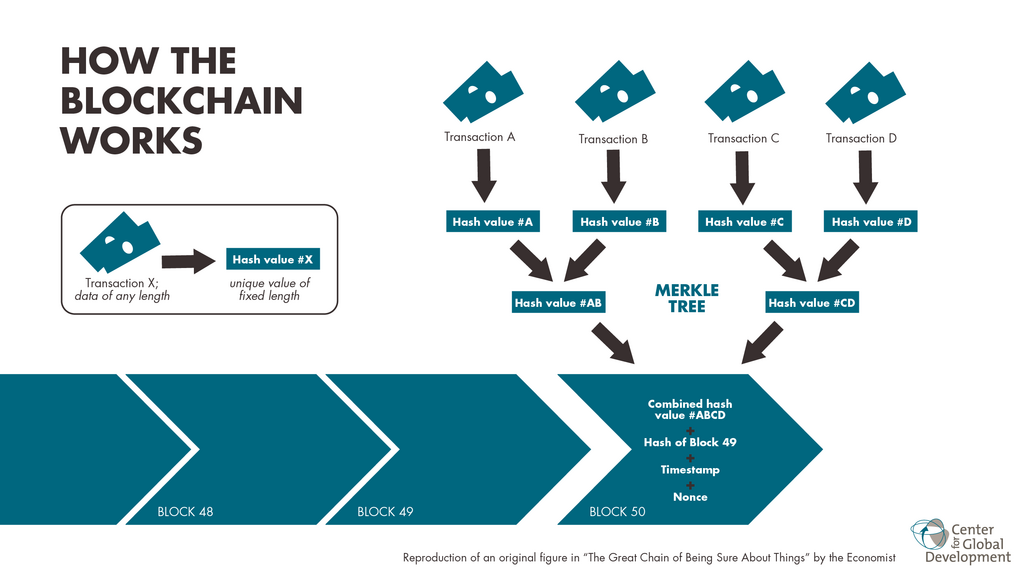
Why do they do this? For a reward. When a miner successfully adds a block, they are rewarded with a certain amount of newly created bitcoin. This process, called mining, is how new bitcoins enter circulation. It's also what secures the network, since it requires an enormous amount of computational power to add a block, making it nearly impossible for anyone to tamper with the transaction history.
So, to put it all together: the blockchain is the public record book, nodes are the rule-keepers that validate transactions, and miners are the record-keepers who add new pages to that book.
Ready to check your understanding? Let's see what you've learned.
Who is credited with publishing the 2008 whitepaper titled "Bitcoin: A Peer-to-Peer Electronic Cash System"?
What does the term "peer-to-peer" signify in the context of Bitcoin?
These core concepts are the foundation of how Bitcoin works as a secure, decentralized system for transferring value.