Bitcoin Mining Explained
Introduction to Bitcoin
What Is Bitcoin?
Bitcoin is a type of digital money. You can send it to anyone, anywhere in the world, without needing a bank or any other middleman. Think of it like sending an email. You don't need a post office to check and deliver your message; it goes directly from you to the recipient. Bitcoin works similarly for money.
The main purpose of Bitcoin is to create a decentralized financial system. In the traditional system, banks and governments control your money. They can freeze accounts, block transactions, and print more money, which can devalue your savings. Bitcoin was designed to put individuals in control of their own funds.
It's a peer-to-peer system, meaning transactions happen directly between users through a network of computers. No single company or person runs it.
A Quick History
Bitcoin emerged from the ashes of the 2008 financial crisis. At a time when trust in banks was at a low, an anonymous person or group named Satoshi Nakamoto published a nine-page paper.
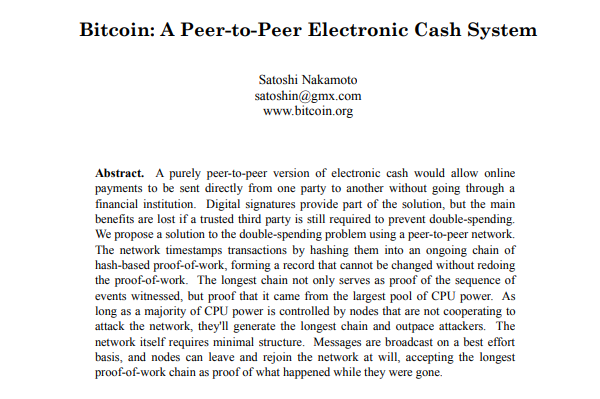
This paper, titled "Bitcoin: A Peer-to-Peer Electronic Cash System," proposed a way to create digital money that was secure, transparent, and not controlled by any central authority. In January 2009, the Bitcoin network came to life.
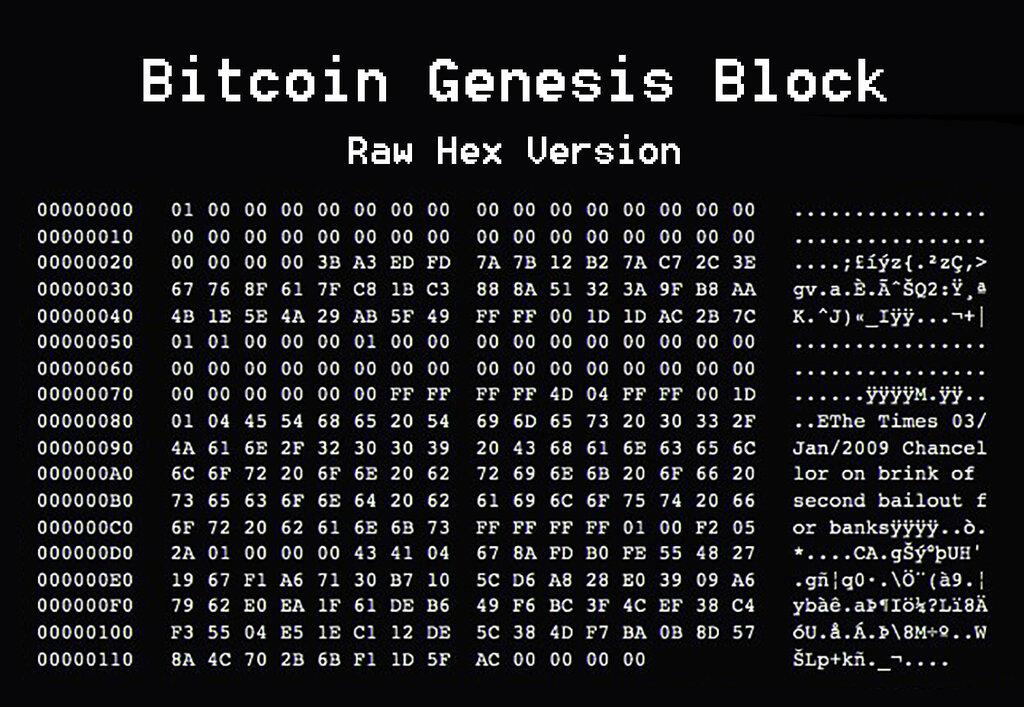
Satoshi Nakamoto mined the very first block of transactions, known as the "Genesis Block." Embedded in this block was a headline from a British newspaper: "The Times 03/Jan/2009 Chancellor on brink of second bailout for banks." This was a clear nod to the financial instability that inspired Bitcoin's creation.
The Magic of Blockchain
So, how does Bitcoin work without a bank to verify everything? The answer is blockchain technology. A blockchain is essentially a public ledger, like a giant, shared digital notebook. Every single Bitcoin transaction is recorded in this notebook for all to see.
Blockchain is a digital ledger for cryptocurrency transactions across peer-to-peer networks.
Transactions are gathered together into "blocks." Each new block is cryptographically linked to the previous one, forming a "chain." This link is what makes the blockchain so secure. To change a transaction in an old block, you would have to redo that block and all the blocks that came after it, which is practically impossible. It's like trying to change a sentence in a book that has millions of copies distributed all over the world, all at the same time.
Bitcoin's Place in the World
Since its creation, Bitcoin has sparked a global conversation about the future of money. It's not just a payment system; for many, it's also a new kind of asset. Some people see it as a "store of value," similar to digital gold, because there will only ever be 21 million bitcoins created. This fixed supply is a core feature, designed to prevent the kind of inflation that affects government-issued currencies.

Bitcoin introduced a new way of thinking about finance, one that is open, borderless, and resistant to censorship. While it remains a volatile and debated topic, its creation has undeniably paved the way for thousands of other cryptocurrencies and blockchain-based projects, fundamentally changing the landscape of technology and finance.
Now, let's review some of the key ideas we've covered.
Ready to check your understanding?
What is the primary purpose of Bitcoin?
The technology that records and secures all Bitcoin transactions is called the ______.
Bitcoin's core innovation was combining existing technologies to create something entirely new: a secure and decentralized way to transfer value online. With this foundation, we can now explore how the network is maintained and secured.