Bitcoin Fundamentals
Introduction to Bitcoin
A New Kind of Money
In 2008, a global financial crisis shook the world. Trust in banks and governments plummeted. People watched as large financial institutions, once thought to be indestructible, were bailed out with taxpayer money. This event highlighted the fragility and centralization of the traditional financial system. In the midst of this uncertainty, a new idea emerged.
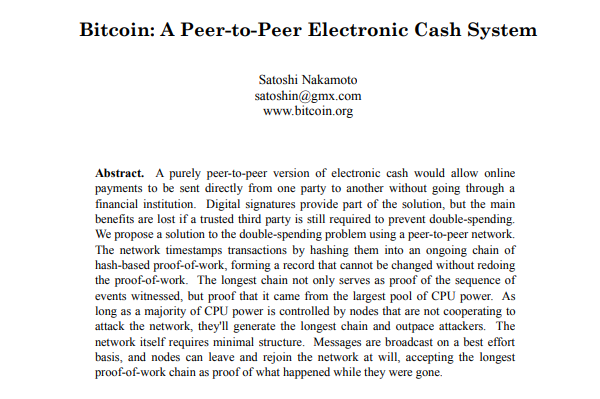
A paper titled "Bitcoin: A Peer-to-Peer Electronic Cash System" was published online under the pseudonym Satoshi Nakamoto. No one knows who Satoshi is to this day. The paper proposed a radical new form of money: a digital currency that could be sent directly from one person to another without needing a bank or any other financial intermediary. This was the birth of Bitcoin.
What Problem Does Bitcoin Solve?
Every time you use your credit card, send money through a service like PayPal, or wire funds internationally, a third party is involved. Banks and payment processors sit in the middle of these transactions. They verify them, record them, and charge fees for their services. They also have the power to block or reverse payments, or even freeze your account.
This system works most of the time, but it has drawbacks. It can be slow, expensive, and exclusive. Billions of people around the world don't have access to traditional banking services. For them, participating in the global economy is difficult. Bitcoin was designed to address these issues.
The core purpose of Bitcoin is to allow anyone, anywhere, to send and receive money without relying on a trusted third party.
It’s a system built on a public, shared ledger that everyone can see. Instead of one bank holding the record of all transactions, a distributed network of computers maintains the ledger. This decentralization is what gives Bitcoin its power. It’s open, borderless, and resistant to censorship.
Shaking Up Traditional Finance
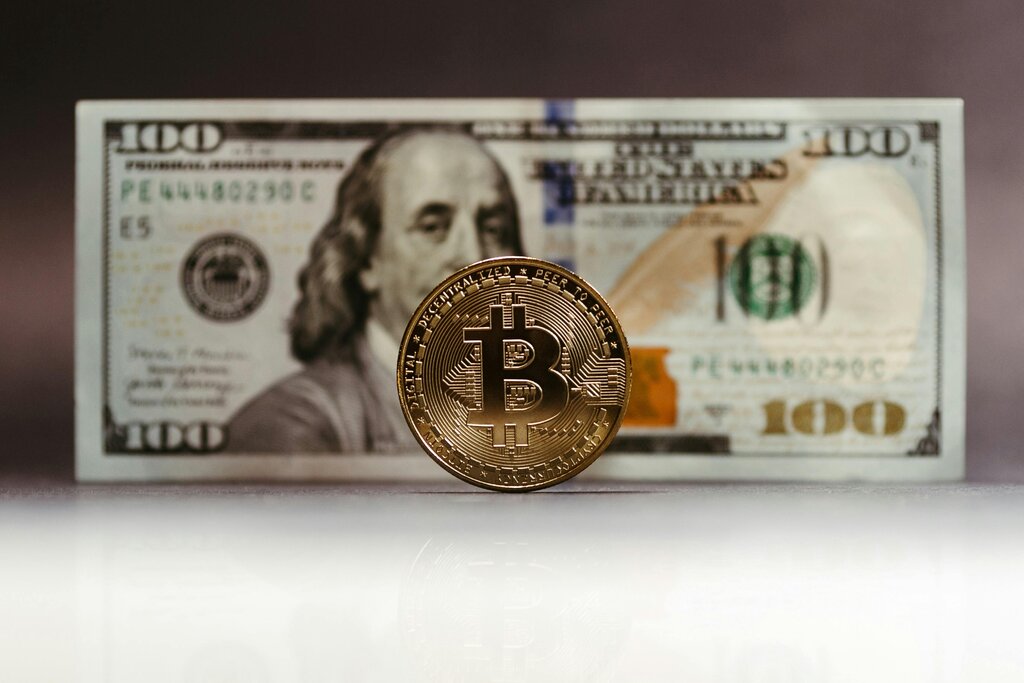
Bitcoin introduced a concept that was foreign to the traditional financial world: a currency not controlled by a central authority. National currencies, like the U.S. dollar or the Euro, are managed by central banks. These institutions can print more money, which can lead to inflation and devalue the savings of citizens.
Bitcoin, on the other hand, has a fixed supply. There will only ever be 21 million bitcoin created. This scarcity is built into its code, making it more like a digital version of gold than a traditional currency. This property has led some people to use Bitcoin as a hedge against inflation and economic instability.
By giving individuals full control over their own funds, Bitcoin introduces the idea of financial sovereignty.
The emergence of Bitcoin has forced traditional financial institutions to sit up and take notice. Banks, investment firms, and even governments are now exploring the potential of digital currencies and the technology behind them. Financial products like Bitcoin ETFs (Exchange-Traded Funds) have been created, allowing people to invest in Bitcoin through conventional brokerage accounts.
Whether it becomes the future of money or not, Bitcoin has already made a lasting impact. It has challenged the status quo, sparked a global conversation about the nature of money, and paved the way for thousands of other digital assets.