Bitcoin Fundamentals Explained
Introduction to Bitcoin
What Is Bitcoin?
Bitcoin is a type of digital money. You can think of it like an email, but for value. Instead of sending a message, you're sending currency directly to another person, anywhere in the world, without needing a bank or payment company in the middle. It exists only on the internet; there are no physical Bitcoin coins or bills.
Because it uses cryptography (a method of protecting information through codes) to secure transactions, Bitcoin is known as a cryptocurrency.
Cryptocurrency
noun
A digital or virtual currency that is secured by cryptography, making it nearly impossible to counterfeit or double-spend.
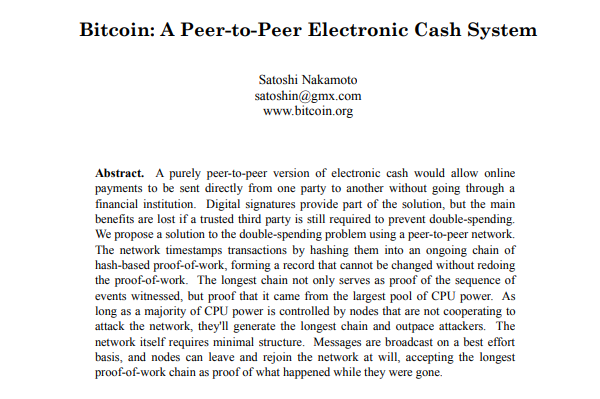
The main goal of Bitcoin is to be a “peer-to-peer electronic cash system.” This was the title of the original 2008 paper that introduced the world to the idea.
Solving a Digital Problem
Before Bitcoin, digital money had a big challenge. If you have a digital file, like an MP3 or a photo, you can copy it endlessly. How could you stop someone from copying a digital dollar and spending it over and over again? This is called the “double-spending problem.”
Traditionally, banks solve this. They keep a central ledger that tracks everyone's balance. When you send money, the bank updates its ledger, subtracting from your account and adding to the other person's. The bank is the trusted middleman who ensures you can't spend the same money twice.
Bitcoin was created to solve the double-spending problem without needing a trusted third party like a bank.
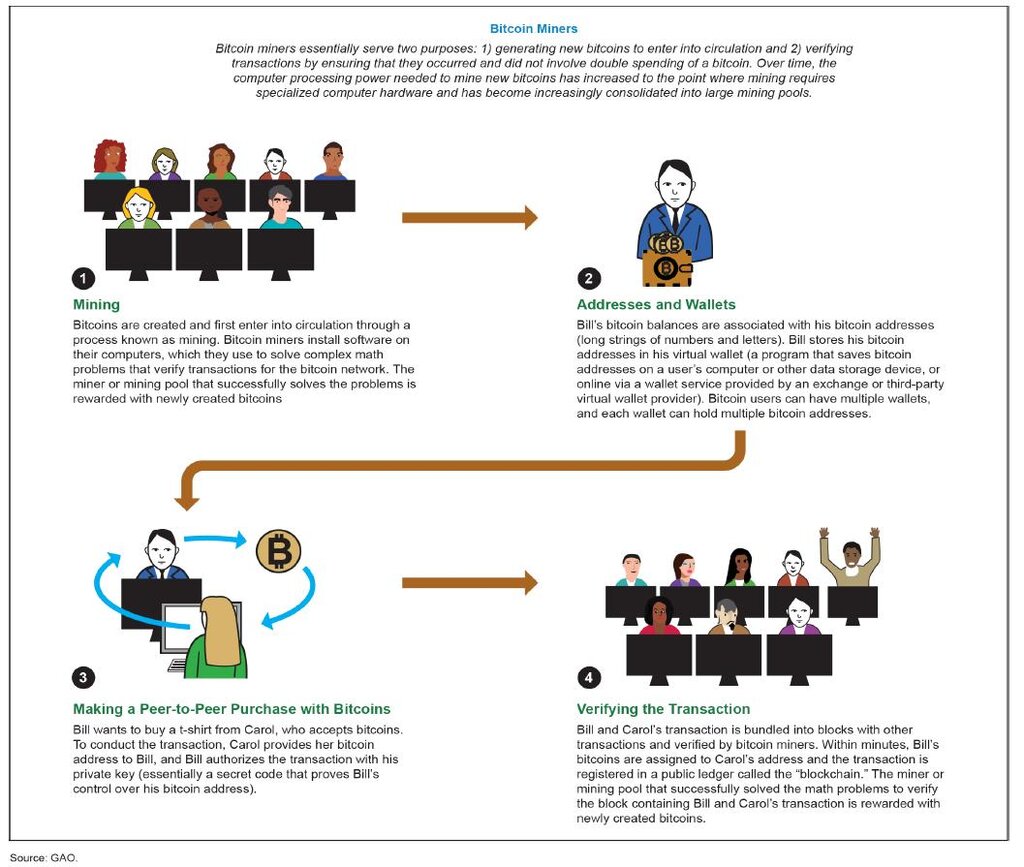
It accomplishes this using a shared public ledger that is distributed across a global network of computers. This shared ledger is known as a blockchain, which we'll explore in more detail later. For now, just know that it's the technology that makes Bitcoin work.
The Power of Decentralization
Because Bitcoin's ledger is maintained by many participants around the world, it is decentralized. This is a core feature that sets it apart from traditional money.
Decentralization means no single person, company, or government controls the network. No one can freeze your account, block a transaction, or print more money to cause inflation. The rules of the system were set at the beginning and are enforced by the network itself.
Think of it like a shared Google Doc that everyone can see but no single person can change without the group's consensus. A bank, by contrast, is like a private Word document that only the bank controls. This distributed trust is what allows Bitcoin to function as a peer-to-peer system.
Let's check your understanding of these core concepts.
What is the primary problem that Bitcoin was designed to solve for digital money?
The text compares Bitcoin's shared public ledger to a shared Google Doc. What is a traditional bank's private ledger compared to in this analogy?
In short, Bitcoin offers a way to transfer value digitally without relying on a central authority. It's a system built on a shared, public record that is maintained by its users.