Bitcoin Fundamentals Explained
Introduction to Bitcoin
What Is Bitcoin?
Bitcoin is a digital currency, a type of money that exists purely in electronic form. Created in 2008, it was the first of its kind, kicking off the entire world of cryptocurrency. Unlike the dollars in your bank account, there is no central authority like a government or bank that issues or controls Bitcoin. It’s decentralized.
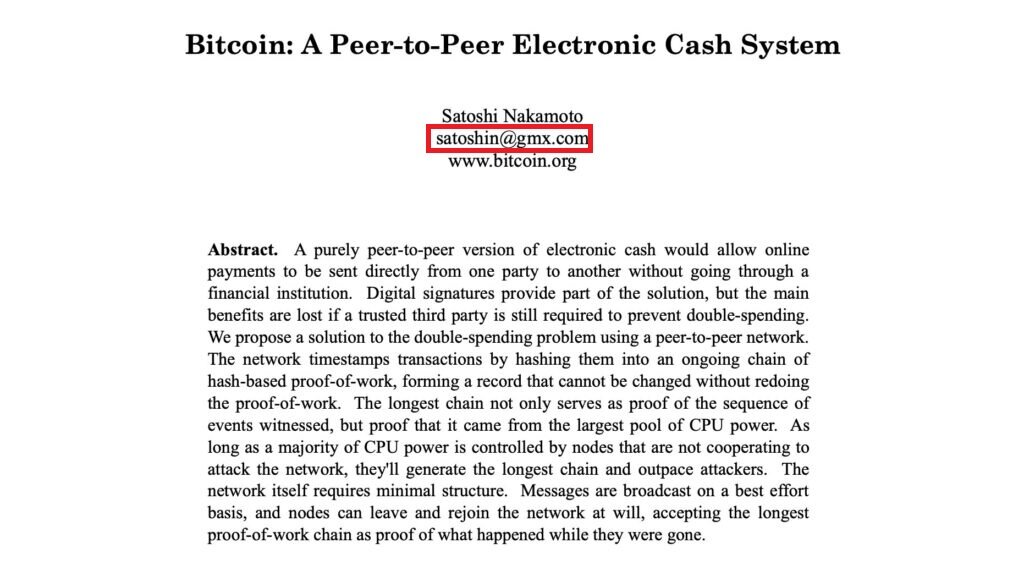
This means it operates on a peer-to-peer network. People can send Bitcoin directly to each other anywhere in the world without needing an intermediary. The whole system was laid out in a white paper by a person or group using the name Satoshi Nakamoto.
The Problem It Solves
Before Bitcoin, sending money online always required a trusted third party, like a bank or a credit card company. If you wanted to pay a friend, you'd tell your bank, they'd move the money, and they'd keep a ledger of the transaction. This works, but it has drawbacks. The central party can block transactions, charge fees, and is a single point of failure.
The core challenge for any digital cash system was the "double-spending problem." How do you stop someone from spending the same digital coin twice without a central authority to verify everything? Bitcoin solved this using a public, distributed ledger that everyone can see and trust.
Bitcoin's main goal was to create a peer-to-peer electronic cash system, allowing online payments to be sent directly from one party to another without going through a financial institution.
A Brief History
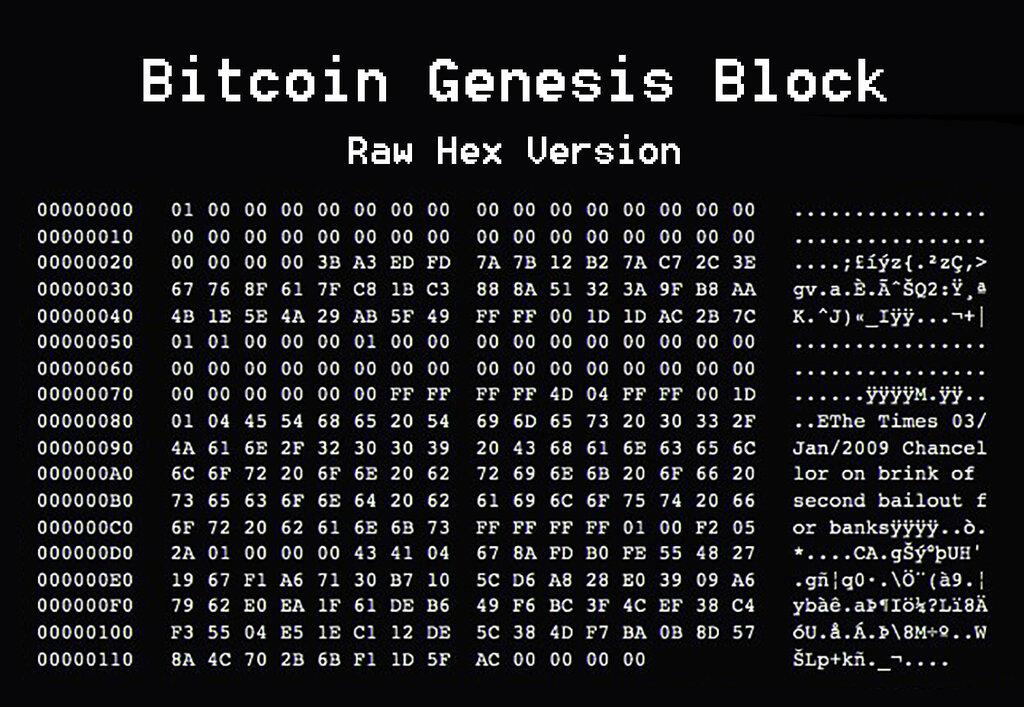
The idea of Bitcoin became a reality on January 3, 2009, when Satoshi Nakamoto launched the network by creating the very first block, known as the "Genesis Block."
Embedded in this block was a headline from The Times newspaper: "Chancellor on brink of second bailout for banks." This was widely seen as a comment on the instability of the traditional financial system that Bitcoin was designed to circumvent.
Bitcoin had no perceived value at first. It was a project for cryptography enthusiasts. One of the most famous early milestones happened in 2010, when a programmer named Laszlo Hanyecz paid 10,000 bitcoins for two pizzas. This is considered the first real-world transaction for a physical good.
Over the next few years, Bitcoin's value began to climb. Exchanges like Mt. Gox emerged, allowing people to buy and sell it. Despite high-profile hacks and extreme price volatility, Bitcoin continued to gain attention, evolving from a niche hobby into a globally recognized asset.
Bitcoin's Economic Impact
Bitcoin's arrival was a watershed moment. It introduced the world to the idea of a scarce digital asset that isn't controlled by any single entity. This concept of decentralized, trustless value transfer paved the way for thousands of other cryptocurrencies, often called "altcoins."
Its impact goes beyond just creating a new asset class. Bitcoin challenges the very definition of money. Is it a currency for daily transactions? A store of value like digital gold? Or something else entirely? The debate continues, but its existence has forced conversations about the future of finance, central banking, and financial privacy.
It has enabled a new digital economy where value can be moved across borders quickly and with relative ease, inspiring a wave of innovation in financial technology.
Who is the pseudonymous creator of Bitcoin?
What fundamental problem in digital currency did Bitcoin solve with its public, distributed ledger?
Bitcoin was the first cryptocurrency, and it sparked a movement that continues to shape our digital world. By creating a system for peer-to-peer electronic cash, it offered a new way to think about money and trust.