Bitcoin Explained
Introduction to Bitcoin
What Is Bitcoin?
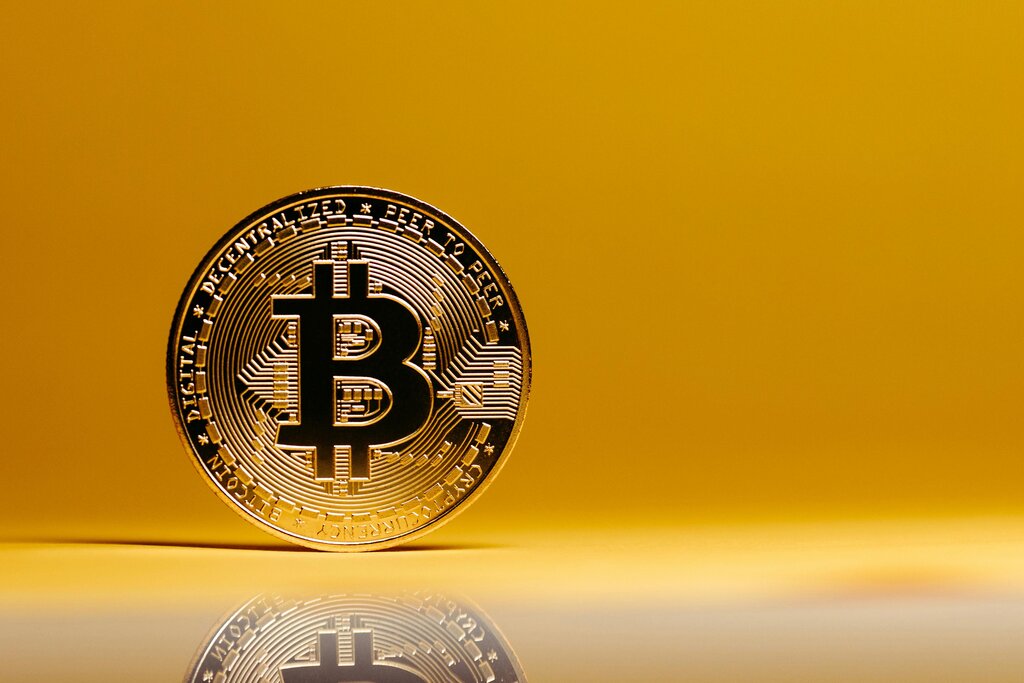
Bitcoin is a type of digital money. You can think of it like an online version of cash. Its main purpose is to let people send and receive money directly, without needing a bank or payment processor in the middle. It was the first of its kind, a completely decentralized digital currency.
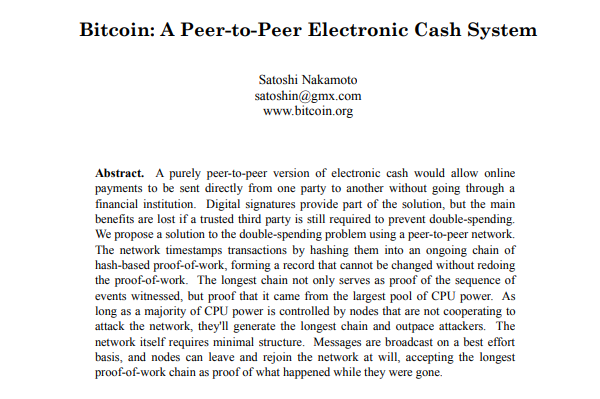
The idea for Bitcoin was published in 2008 by a person or group using the name Satoshi Nakamoto. To this day, no one knows their true identity. Nakamoto released a paper called "Bitcoin: A Peer-to-Peer Electronic Cash System," which outlined how this new form of money would work. This happened right after a major global financial crisis, a time when many people were questioning the stability of traditional banks.
How Is It Different?
The biggest difference between Bitcoin and traditional currencies like the US dollar or the Euro is that it's not controlled by any single entity. Your bank account is managed by a bank. The supply of dollars is managed by the U.S. government and its central bank, the Federal Reserve. These are centralized systems.
Bitcoin, on the other hand, is decentralized. It runs on a global network of computers that work together to process and verify transactions. No single person, company, or government is in charge.
fiat currency
noun
Money that a government has declared to be legal tender, but is not backed by a physical commodity like gold. Its value comes from the trust people have in the government that issues it.
This decentralization enables what are known as peer-to-peer transactions. When you pay a friend using a credit card or a service like Venmo, the transaction goes from your bank, through the payment company's servers, and then to your friend's bank. There are intermediaries.
A peer-to-peer (P2P) transaction cuts out the middleman. Sending Bitcoin is more like handing someone cash, but you can do it digitally with anyone in the world.
Another key difference is supply. Central banks can print more money whenever they see fit, which can lead to inflation. Bitcoin has a fixed supply. There will only ever be 21 million bitcoins created, a rule that's built into its code. This scarcity is one of the features that gives it value, similar to precious metals like gold.
With Bitcoin, there are no banks to freeze your account or block payments. You have full control over your money.
Why Does It Matter?
The creation of Bitcoin introduced the world to a new kind of asset that isn't controlled by any central authority. This has several important implications.
For one, it can make sending money across borders cheaper and faster. International wire transfers can be slow and expensive, involving multiple banks. Bitcoin transactions can be sent anywhere in the world in minutes.
It also offers a way for people who don't have access to traditional banking services to participate in the global economy. All you need is an internet connection.
By creating a way to transfer value online without a trusted third party, Bitcoin solved a complex computer science problem and opened the door for thousands of other cryptocurrencies and new technologies.
What is the primary purpose of Bitcoin, as described in its original concept?
Who controls the Bitcoin network?
Bitcoin was a groundbreaking invention that reimagined what money could be in a digital, interconnected world.