Bitcoin Explained
Introduction to Bitcoin
A Mysterious Beginning
In late 2008, as a global financial crisis shook the world's confidence in traditional banks, a paper appeared on the internet. It was titled "Bitcoin: A Peer-to-Peer Electronic Cash System." The author's name was Satoshi Nakamoto, but no one knew who they were. To this day, their true identity remains a mystery.
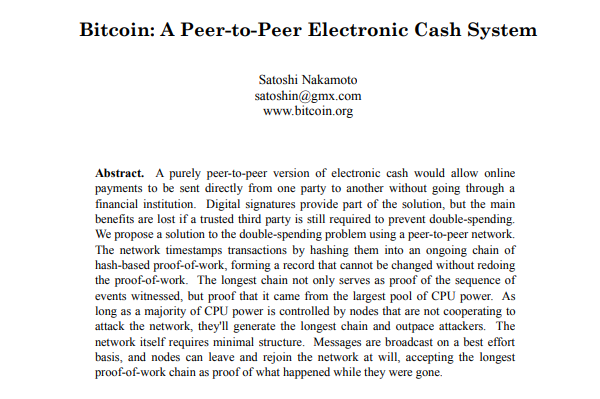
Nakamoto's paper proposed a new kind of money. It would be entirely digital and wouldn't be controlled by any single bank or government. Instead, it would be run by a network of users. This idea was a direct response to the fragility of the traditional financial system. The goal was to create a way for people to send money directly to each other online, securely and without needing a middleman like a bank or a credit card company.
Digital Cash, Different Rules
So, what exactly is Bitcoin? Think of it as cash for the internet. But unlike the dollars or euros in your bank account, it operates under a completely different set of rules. The most important difference is that Bitcoin is decentralized.
Decentralized
adjective
Not controlled by a single person, company, or government. Power is distributed among many participants.
Traditional currencies, often called "fiat currencies," are controlled by central banks and governments. They can print more money, which can affect its value. Bitcoin is different. There will only ever be 21 million bitcoins created. This fixed supply is built into its code, making it more like a digital version of gold than a traditional currency.
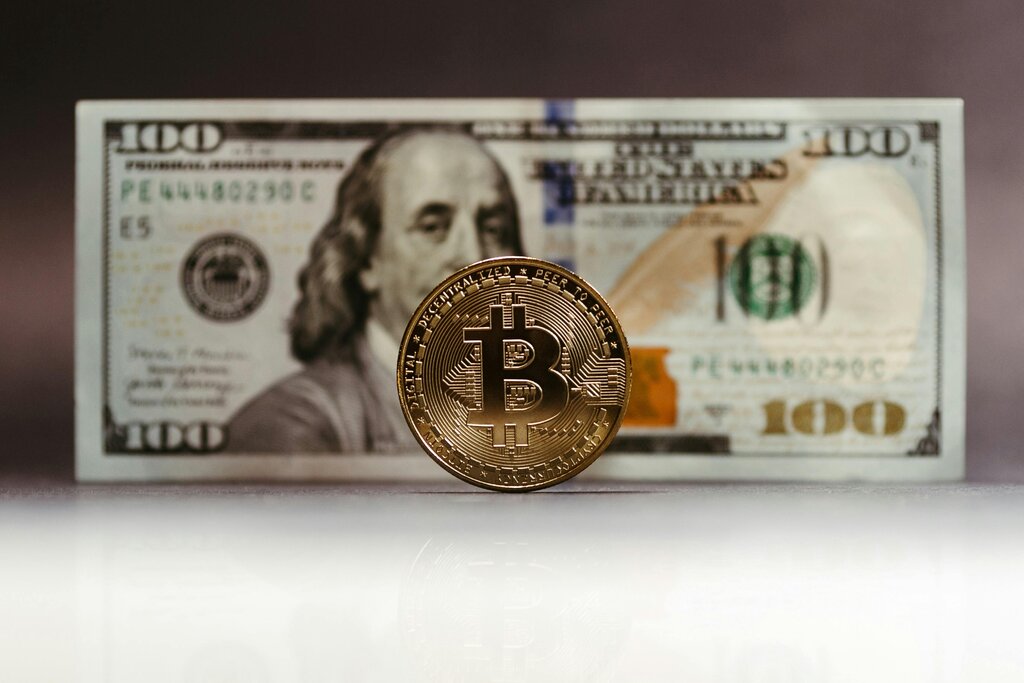
Here’s a quick comparison:
| Feature | Traditional Currency (Fiat) | Bitcoin |
|---|---|---|
| Control | Centralized (Banks, Governments) | Decentralized (User Network) |
| Supply | Unlimited (Can be printed) | Finite (Capped at 21 million) |
| Form | Physical and Digital | Entirely Digital |
| Transactions | Require a Middleman (e.g., Bank) | Peer-to-Peer (No Middleman) |
How It Works, Simply
Without getting too technical, the Bitcoin network has a few key parts that work together.
First, there's a shared public ledger called the blockchain. You can think of it as a giant, global receipt book that's available for anyone to see. Every single Bitcoin transaction that has ever happened is recorded on it. Because this ledger is copied and spread across thousands of computers worldwide, it's extremely difficult to cheat or change.
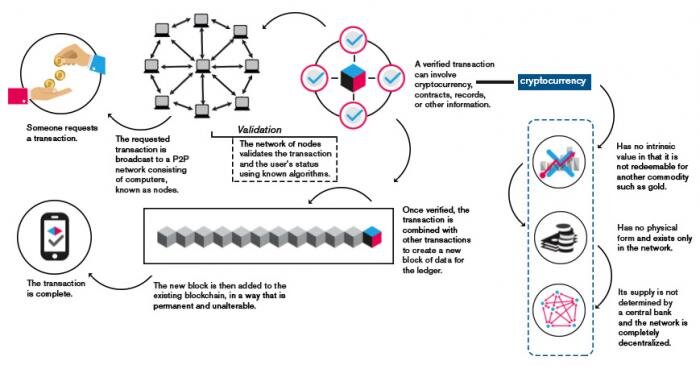
To use Bitcoin, you need a digital wallet. This is a piece of software that holds your bitcoins and allows you to send and receive them. Each wallet has a unique address, which is like an email address for money. When you want to send someone bitcoins, you send them from your wallet to their wallet address.
Finally, there are the transactions themselves. When you send a payment, it's broadcast to the entire network. A group of participants then works to verify that the transaction is legitimate before adding it to the public ledger. This verification system is what keeps the network secure without needing a bank.
Ready to check your understanding?
Who is the author of the 2008 whitepaper "Bitcoin: A Peer-to-Peer Electronic Cash System"?
What was a primary motivation for creating Bitcoin, as described in the text?
Bitcoin introduced a new way of thinking about money, one that relies on a network of users instead of a central authority.