Bitcoin Explained
Introduction to Bitcoin
A Different Kind of Cash
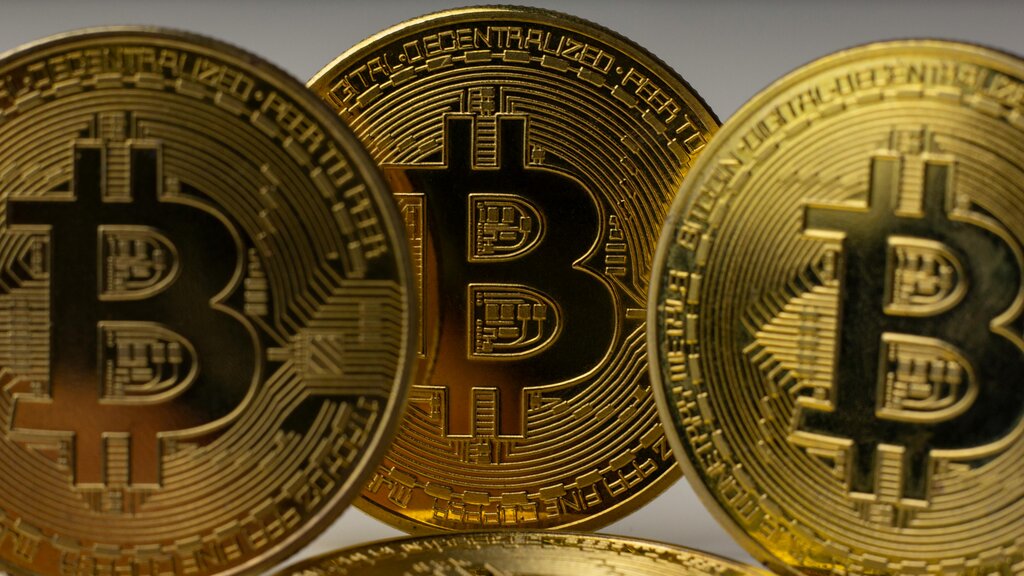
At its core, Bitcoin is a form of digital money. You can use it to buy things or send value to people, just like you would with dollars or euros. The big difference is how it works. Bitcoin is a peer-to-peer electronic cash system, which means transactions happen directly between people without a middleman.
Think about how you pay for things now. You might use a credit card, a debit card, or an app like Venmo. In every case, a bank or a financial company is sitting in the middle. They process the payment, take a fee, and have the power to approve or block the transaction. They are a central authority.
Bitcoin gets rid of the middleman. It's decentralized, meaning no single company, government, or bank controls it. Instead, it's run by a global network of computers that work together to process and verify transactions. This setup allows anyone, anywhere, to send and receive money without needing permission from a bank.
The Mysterious Creator
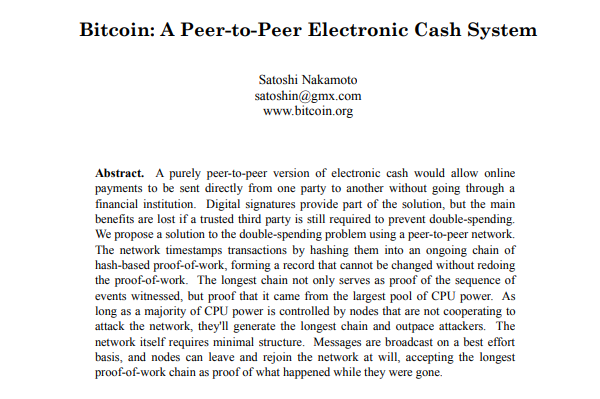
Bitcoin was introduced to the world in 2008 by a person or group using the name Satoshi Nakamoto. They published a paper online called "Bitcoin: A Peer-to-Peer Electronic Cash System." To this day, no one knows the true identity of Satoshi Nakamoto. They communicated with early developers via email and online forums, but vanished from the public eye in 2011.
Satoshi’s paper laid out a clever solution to a long-standing problem in computer science: how to create a digital cash system that prevents someone from spending the same digital coin twice. This is known as the "double-spending problem." Before Bitcoin, the only way to solve this was to have a trusted central party, like a bank, keep a master ledger of all transactions. Satoshi found a way to create a secure, shared ledger without needing a bank at all.
In January 2009, Satoshi launched the Bitcoin network by creating the very first block of transactions, known as the "Genesis Block." Embedded in this block was a headline from a British newspaper: "The Times 03/Jan/2009 Chancellor on brink of second bailout for banks."
This message is widely seen as a comment on the instability of the traditional financial system, which was in crisis at the time. It highlights Bitcoin's purpose as an alternative.
Why Does It Matter?
Bitcoin introduced the idea of a currency that isn't controlled by any government or central bank. Unlike traditional currencies, which can be printed at will, the supply of Bitcoin is limited. There will only ever be 21 million bitcoins created. This predictable scarcity is one of its core features.
By creating a way to transfer value over the internet without a trusted third party, Bitcoin opened the door for a new digital economy. It challenged the traditional view of what money is and who should control it, setting the stage for thousands of other cryptocurrencies and a new field of technology.
What is the primary feature that distinguishes Bitcoin from traditional payment systems like credit cards or Venmo?
What is the total number of bitcoins that will ever be created?