Bitcoin Explained
Introduction to Bitcoin
What is Bitcoin?
Bitcoin is a type of digital money. You can't hold it in your hand like a dollar bill or a quarter. It exists only on computers. Created in 2008, it was the world's first decentralized digital currency. That's a mouthful, but 'decentralized' just means it isn't controlled by any single bank, government, or company. Instead, it's managed by a network of users all around the world.
The main idea behind Bitcoin was to create a way for people to send money directly to each other over the internet without needing a middleman like a bank or a payment processor. This makes transactions potentially faster and cheaper, especially across borders.
The Mysterious Creator
The story of Bitcoin begins with a mystery. In 2008, a person or group using the name Satoshi Nakamoto published a document online. This famous nine-page paper was titled "Bitcoin: A Peer-to-Peer Electronic Cash System."
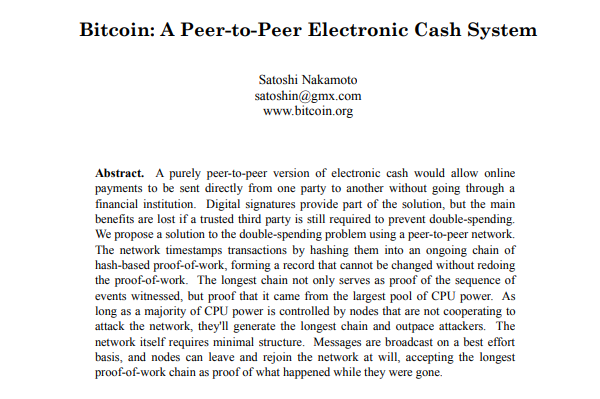
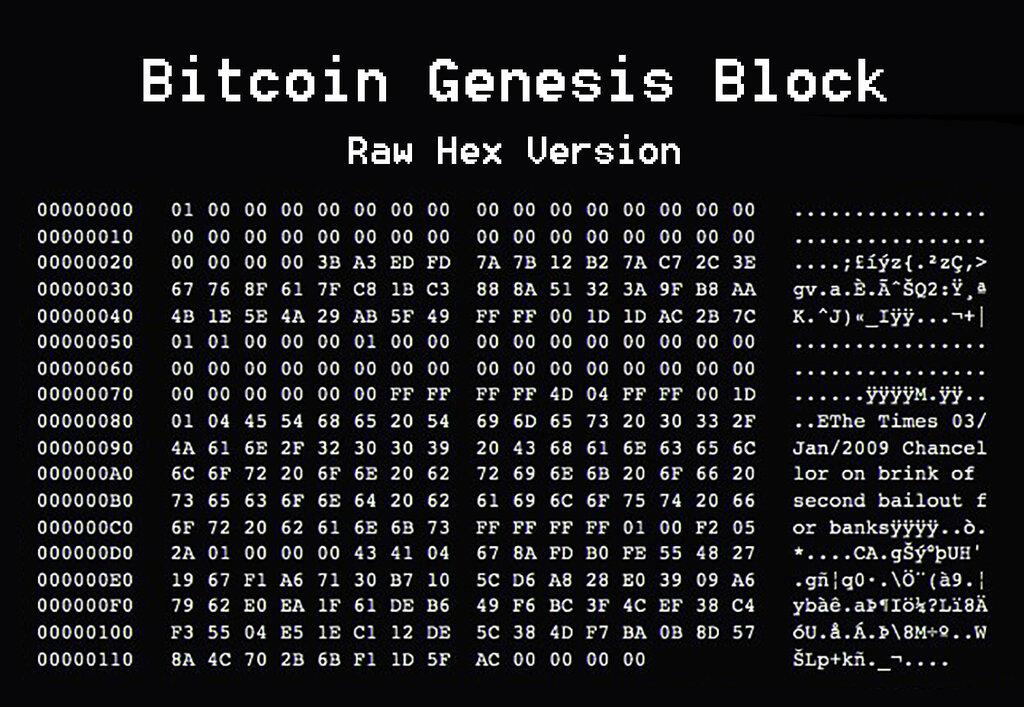
Nakamoto's paper laid out the complete blueprint for a new kind of money. It described a system that would allow for secure, direct online payments without relying on trust or traditional financial institutions. In January 2009, the Bitcoin network came to life when Nakamoto released the software and created the very first block in the chain, known as the Genesis Block.
After launching the project and guiding its initial development, Satoshi Nakamoto gradually stepped back. By 2011, they had disappeared completely, handing over control of the software to a community of developers. To this day, no one knows the true identity of Satoshi Nakamoto.
From Novelty to Asset
In its early days, Bitcoin was a niche interest for a small group of computer scientists and cryptography enthusiasts. Its value was practically zero. The first known commercial transaction happened in 2010, when a programmer famously bought two pizzas for 10,000 bitcoins.
Over the next decade, Bitcoin's journey was a rollercoaster. It slowly gained attention, and its value began to rise, often dramatically. Exchanges were created where people could buy and sell Bitcoin with traditional money. Media coverage grew, and more people started to see it not just as a currency, but as a new type of financial asset.
Today, Bitcoin is the most well-known cryptocurrency. Major companies hold it, investment funds are dedicated to it, and it's a regular topic of discussion in the financial world.
What's It Good For?
Bitcoin serves two main functions, similar to traditional assets like gold. It can be used as a medium of exchange and as a store of value.
Medium of Exchange
other
An intermediary instrument or system used to facilitate the sale, purchase, or trade of goods between parties.
As a medium of exchange, you can use Bitcoin to buy goods and services. While it's not accepted everywhere, a growing number of businesses and online stores take Bitcoin payments. Its ability to be sent anywhere in the world quickly makes it useful for international transfers.
Store of Value
other
An asset that can be saved, retrieved, and exchanged at a later time, and be predictably useful when retrieved.
As a store of value, Bitcoin is treated by many as a long-term investment. The key reason is its limited supply. There will only ever be 21 million bitcoins created. This scarcity is similar to precious metals, leading some to call Bitcoin "digital gold." People buy and hold it with the expectation that its value will be maintained or increase over time.
What does it mean that Bitcoin is a "decentralized" currency?
Who is credited with creating Bitcoin?
Bitcoin was the first of its kind, and it opened the door for thousands of other digital currencies. It started as an experiment and has since grown into a significant part of the modern financial landscape.