Bitcoin Evolution and the Institutional Era
Institutional Infrastructure
The Great Normalization
By 2026, Bitcoin's market character has fundamentally shifted. The wild, retail-driven volatility of its early years has given way to a more predictable rhythm, a change largely credited to the 2024 approval of spot Bitcoin ETFs in the United States. These investment vehicles weren't just another product; they were a regulated bridge, connecting the massive, conservative pools of institutional capital to the digital asset world. For the first time, pension funds, corporate treasuries, and large asset managers could gain direct Bitcoin exposure through the familiar, compliant structure of an ETF.
This influx of institutional capital created deep, resilient order books. When large buy or sell orders hit the market, they are now met with sufficient liquidity to prevent the dramatic price swings that once defined Bitcoin. The market has matured, absorbing shocks that would have caused a crash just a few years prior. This stability, in turn, has encouraged even more conservative institutions to enter the space, creating a virtuous cycle of normalization.
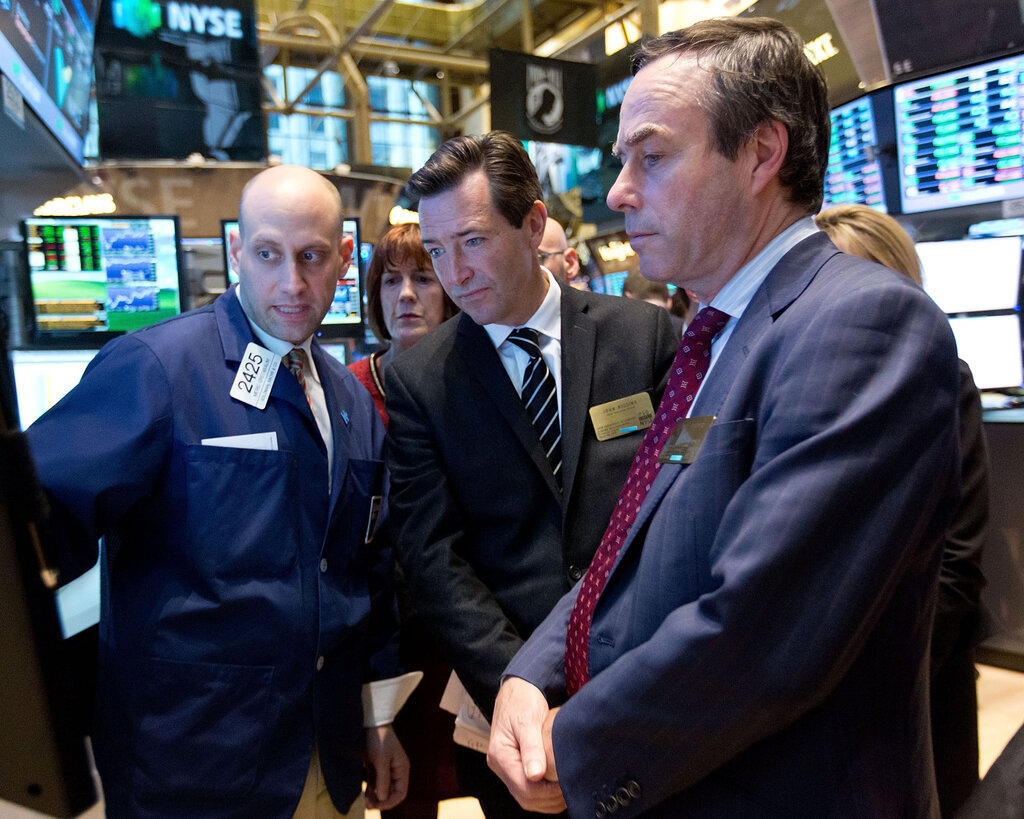
This new ecosystem relies on specialized financial firms. At the center are the (APs), typically large banks or trading firms like Jane Street or Virtu Financial. They have the unique ability to create and redeem ETF shares directly with the fund issuer. When demand for a Bitcoin ETF rises, an AP buys actual Bitcoin on the open market and delivers it to the ETF's custodian. In exchange, they receive a block of new ETF shares, which they then sell on the stock market. This mechanism keeps the ETF's share price tethered to the underlying price of Bitcoin.
Digital Asset Treasury
The evolution of Bitcoin's market structure enabled a profound shift in corporate finance: the rise of (DAT) strategies. Companies no longer view Bitcoin solely as a speculative investment to 'HODL.' Instead, it's treated as a primary reserve asset, managed with the same sophistication as cash, bonds, or gold.
This involves more than just buying Bitcoin. Corporations now issue debt or new equity specifically to fund multi-billion dollar BTC acquisitions. They use sophisticated models to manage their exposure, balancing the potential for high returns with the asset's residual volatility. For these firms, Bitcoin serves as a hedge against currency devaluation and a long-term store of value, integrated directly into their balance sheet strategy.
The post-Coinbase era is defined by institutional-grade strategies that treat Bitcoin as a strategic asset rather than a speculative gamble.
New Market Dynamics
The dominance of institutional players has reshaped market dynamics. Retail flows, often driven by social media sentiment and short-term news, are now a smaller part of the overall volume. Institutional flows are larger, less frequent, and more closely tied to macroeconomic signals—such as inflation data or changes in central bank policy. Analysts now spend as much time dissecting Federal Reserve minutes as they do on-chain data to predict Bitcoin's next move.
This shift has also altered Bitcoin's correlation with other asset classes. For years, Bitcoin often traded in lockstep with high-growth tech stocks, rising and falling with the NASDAQ. As institutional treasury and pension demand has grown, its behavior has decoupled. It now exhibits a lower correlation to equities and a growing, though still imperfect, correlation to inflation hedges like gold. It is no longer just another 'risk-on' asset; it has carved out its own unique role in a diversified portfolio as a global, digital store of value.
What was the primary catalyst for the fundamental shift in Bitcoin's market character towards greater stability by 2026?
According to the text, what is the primary function of an Authorized Participant (AP) in the spot Bitcoin ETF ecosystem?
The institutionalization of Bitcoin represents one of the most significant evolutions in modern finance. The regulated pathways and sophisticated treasury strategies of 2026 have cemented its place as a legitimate and integral part of the global financial system.