Bitcoin Energy Footprint
Introduction to Bitcoin Mining
What is Bitcoin Mining?
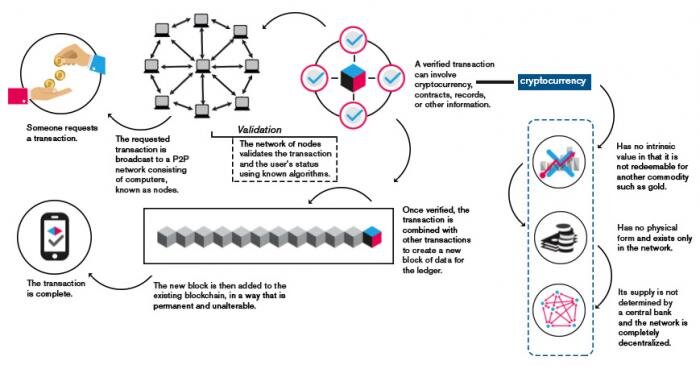
Bitcoin mining is the process that verifies transactions and adds them to the public ledger, known as the blockchain. Think of miners as the decentralized bookkeepers of the Bitcoin network. They don't work for a central company; instead, they are volunteers spread across the globe who use powerful computers to maintain the network's integrity.
Every time someone sends or receives Bitcoin, that transaction is bundled together with others into a 'block'. Miners compete to be the one to validate this block and add it to the chain. This process serves two critical purposes: it confirms the legitimacy of transactions, preventing issues like double-spending, and it's how new bitcoins are created and enter circulation.
Proof of Work
To add a new block to the blockchain, miners must solve a complex computational puzzle. This system is called Proof of Work (PoW). It requires miners to prove they have expended significant computing power to solve the puzzle. The puzzle involves finding a specific number, called a nonce, which, when combined with the data in the block and passed through a cryptographic function, produces a result that meets certain criteria.
The first miner to find the correct nonce broadcasts their solution to the network. Other participants quickly verify it, and if it's correct, the new block is officially added to the blockchain. This work is essential for security. Because it requires so much energy and computational effort, it becomes practically impossible for a malicious actor to alter the blockchain.
Miners, who are participants in the network, compete to solve a complex mathematical puzzle to validate and add a new block of transactions to the blockchain.
Rewards and Incentives
Why do people dedicate massive amounts of computing power to mining? The answer lies in the incentives. When a miner successfully adds a new block to the blockchain, they receive a reward.
This reward consists of two parts:
-
The Block Reward: A set amount of newly created bitcoins. This is how new currency enters the system. The block reward is programmed to decrease over time, getting cut in half approximately every four years in an event known as the 'halving'.
-
Transaction Fees: Users who send Bitcoin can include a small fee with their transaction to encourage miners to prioritize it. The miner who validates the block containing that transaction collects all the associated fees.
Together, these rewards make mining a potentially profitable venture, which ensures that there are always enough participants working to keep the network secure and operational.
Hardware and Software
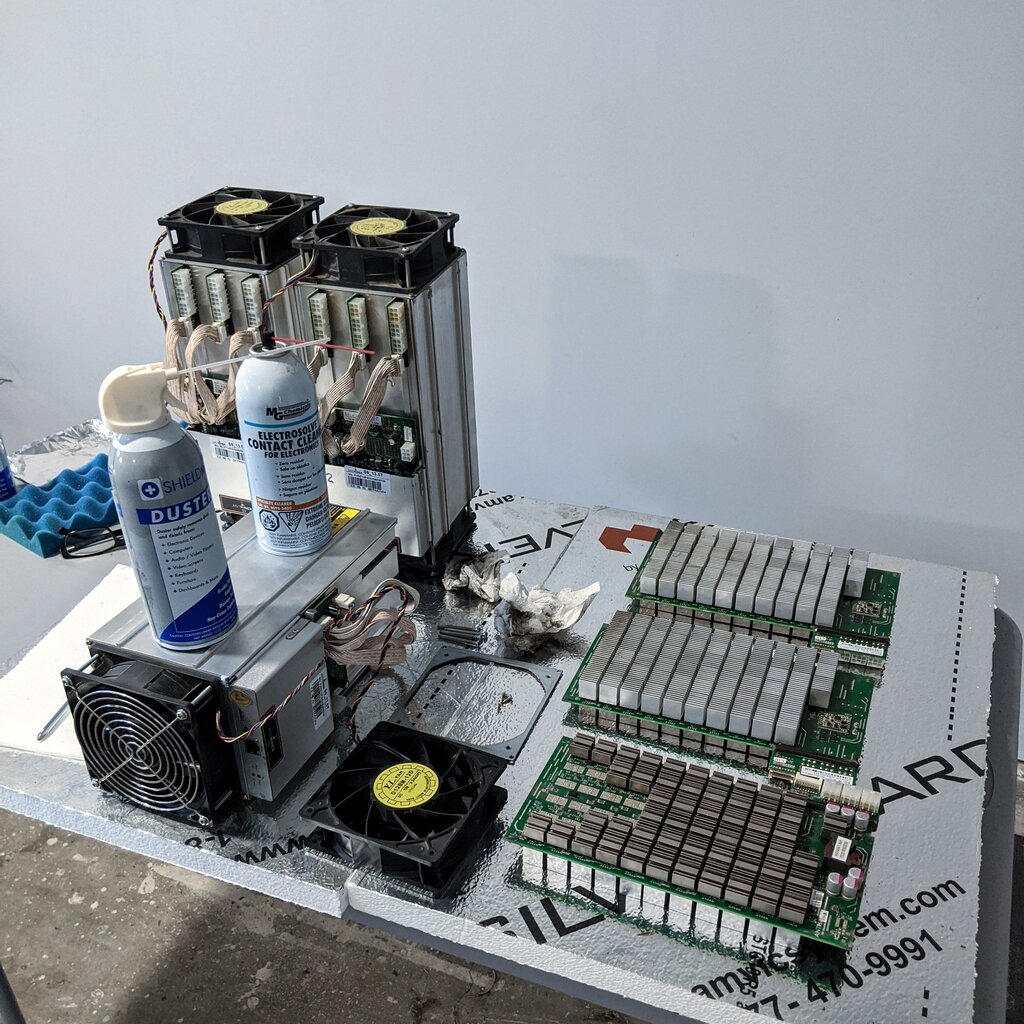
In the early days of Bitcoin, it was possible to mine using a standard home computer. As the network grew and the mining difficulty increased, more specialized hardware became necessary. Today, serious mining is done with Application-Specific Integrated Circuit (ASIC) miners. These are machines designed for the sole purpose of solving Bitcoin's Proof of Work puzzle as efficiently as possible.
ASICs are far more powerful and energy-efficient for mining than general-purpose hardware like CPUs or even high-end graphics cards (GPUs). Alongside the hardware, miners run special software that connects them to the Bitcoin network, delivers the block data, and runs the hashing algorithms needed to solve the puzzle.
Now that you understand the mechanics of mining, let's test your knowledge.
What are the two primary functions of the Bitcoin mining process?
The security of the Bitcoin network relies on the 'Proof of Work' (PoW) system. What is the fundamental principle that makes it secure?
Understanding these core concepts—the process of validating transactions, the Proof of Work mechanism, the incentives for miners, and the specialized hardware involved—is the foundation for exploring the broader implications of Bitcoin mining.